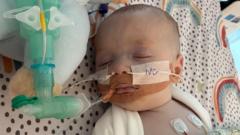
A baby gets diagnosed with a rare, fatal genetic condition. Scientists have spent decades building a treatment that can fix it with a single dose. The drug exists. It works. Yet the child never receives it because an insurance company or a country's health bureaucracy decides the price tag is simply too high.
This nightmare plays out every week across the globe. We live in an era of astonishing medical breakthroughs, yet the systems designed to deliver those breakthroughs are thoroughly broken. When a newborn is denied a drug that could save their life, it rarely comes down to scientific limitations. It comes down to money, geographical bad luck, and red tape.
If you are a parent trying to make sense of why a potentially life-saving drug isn't reaching your sick infant, you aren't alone. The hurdle isn't that medicine has failed us. The real problem is how our healthcare systems determine who gets to live.
The Brutal Reality of Drug Pricing for Infant Care
Rare infant diseases present a math problem that drug companies solve at the expense of families. Developing a gene therapy or targeted biologic costs hundreds of millions of dollars. Because diseases like Spinal Muscular Atrophy or Severe Combined Immunodeficiency affect a relatively small number of infants each year, pharmaceutical firms argue they must charge astronomical prices to recoup their investment.
We end up with price tags in the millions. Zolgensma, a gene therapy for infants with Spinal Muscular Atrophy, made headlines with a retail price around $2.1 million per patient. While the drug can rewrite a child's health trajectory in one infusion, national health services and private insurers often drag their feet on coverage. They debate cost-effectiveness while a child's time ticks away.
Insurance approval protocols often demand that a baby show severe symptoms before approving payment. With many degenerative conditions, waiting for symptoms means permanent tissue or nerve damage has already occurred. Parents find themselves caught in a cruel paradox where their child must get worse before the system agrees to help them get better.
Regional Postcode Lotteries and Bureaucratic Delays
Where a baby is born dictates whether they live. A child born in one state or country might receive routine newborn screening for dozens of genetic conditions, leading to early treatment. Cross a border, and that same condition might not be on the national screening panel at all.
Take newborn screening across Europe and North America. Some regions test for over fifty genetic disorders at birth, allowing doctors to administer therapy before symptoms appear. Other regions test for fewer than ten. By the time parents in underserved areas notice that their infant isn't hitting milestones, months have passed. The opportunity window for peak drug efficacy has closed.
National regulatory bodies like the FDA in the United States and the EMA in Europe move at vastly different speeds. Even after regulatory approval, individual health authorities must negotiate pricing agreements. In countries with single-payer healthcare systems, these price negotiations can drag on for a year or more. For a six-month-old infant with a rapidly progressing disease, a twelve-month negotiation is a death sentence.
How Special Access Programs Work and Where They Fail
When standard approval channels fall through, parents often look toward expanded access programs, sometimes called compassionate use. These pathways allow patients with life-threatening conditions to access experimental treatments outside of clinical trials.
In theory, compassionate use sounds like a safety net. In practice, it's unpredictable and uneven. Pharmaceutical companies are not legally required to provide expanded access. Giving away expensive therapies on a compassionate basis costs manufacturers money and can expose them to liability if a fragile infant suffers severe side effects.
When a company does agree to a lottery system or managed access program, access becomes a lottery. Some families get the drug; others are left waiting on a list that doesn't move. Relying on corporate charity to keep infants alive is not a sustainable medical model.
Crowdfunding Is Not a Healthcare Strategy
Walk through any major fundraising site and you will see dozens of campaigns started by desperate parents trying to raise millions of dollars for infant medications. Friends, extended family, and local communities rally together to sell baked goods, run marathons, and pitch local news stations.
While these campaigns showcase incredible human kindness, they highlight a systemic collapse. Public fundraising creates an unequal playing field. Families with strong social media networks, media connections, or marketing skills stand a far better chance of meeting their goals than families without those resources.
Healthcare access should never depend on how viral a social media campaign goes. Relying on public generosity to pay for basic medical care signals a profound failure of health infrastructure.
Steps Parents Can Take to Fight Systemic Resistance
Navigating a medical denial while caring for a critically ill baby feels overwhelming, but taking specific, structured actions can change the outcome.
Request an immediate expedited appeal. If an insurance provider rejects coverage for a required treatment, submit an urgent appeal backed by letter of medical necessity from a specialist. Most regulatory frameworks require insurers to review emergency appeals within 72 hours.
Connect with patient advocacy organizations. Groups dedicated to specific conditions often have legal teams, patient navigators, and grants to help families appeal denials and navigate access programs.
Enlist your clinical team as advocates. Ask your primary specialist to contact the drug manufacturer's medical affairs division directly. Doctor-to-doctor discussions frequently move access requests along faster than administrative inquiries.
Contact state or regional health ombudsmen. Government oversight agencies exist to review insurance bad-faith denials and regulatory hold-ups. Filing a formal complaint can force an insurer to re-evaluate a rejection.
Inquire about active international clinical trials. If a treatment isn't available locally, clinical trials in adjacent regions or countries may cover travel and treatment costs for eligible infants.