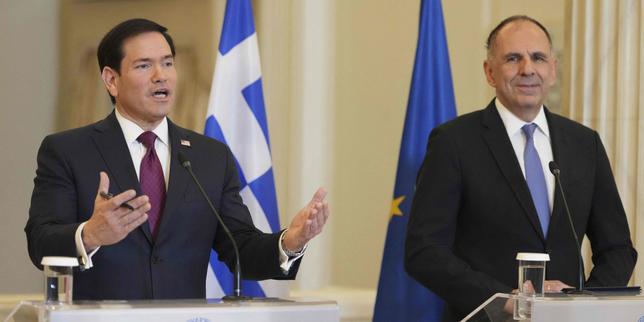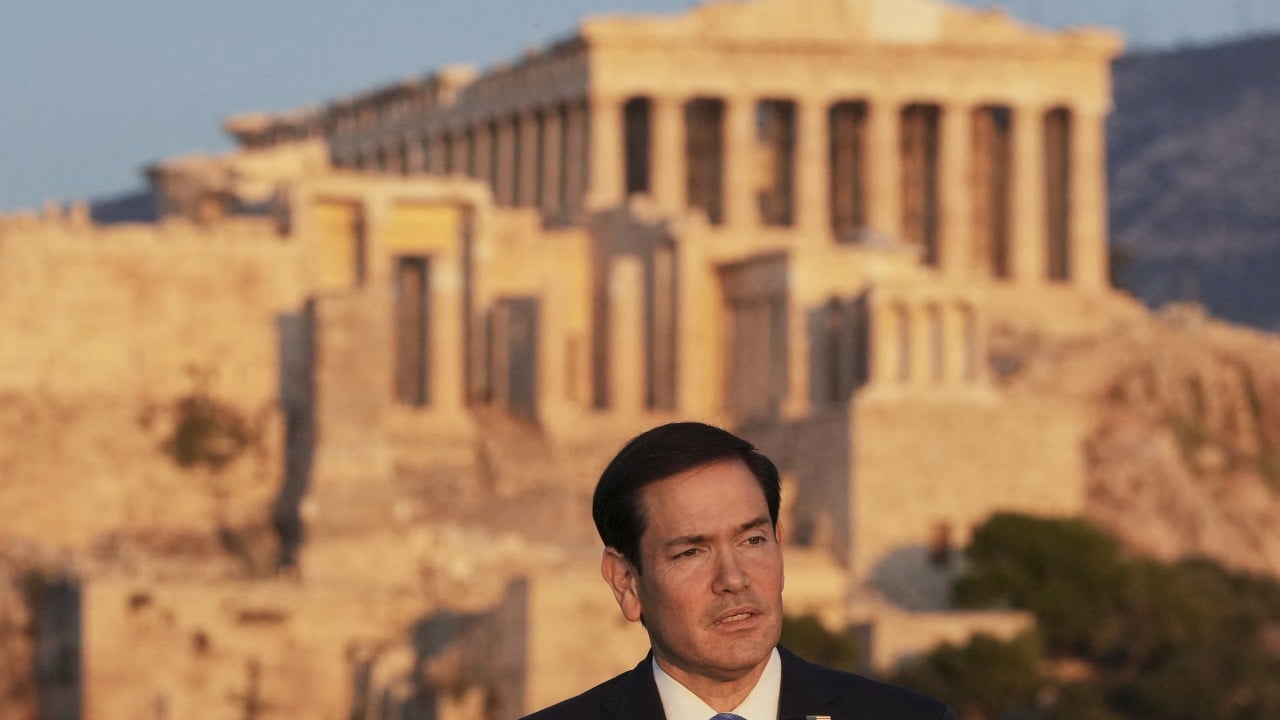
US Secretary of State Marco Rubio didn't pull any punches when he stood against the backdrop of the Acropolis in Athens and told European allies to drop their complacency. The message was clear: American power is unapologetic, and Europe needs to catch up before it's too late.
For years, transatlantic relations drifted on autopilot. Washington provided the security shield, while European capitals focused on internal bureaucracy and welfare budgets. Rubio's recent tour—stretching through Greece, Iceland, and Portugal—marked a sharp pivot away from polite diplomatic fictions. He called out what he views as a generational drift toward civilizational erasure, urging allies to rebuild industrial muscle and defensive strength. You might also find this similar story useful: What Happens When the State Fails to Execute Christa Pike.
The End of the Transatlantic Free Lunch
You can't talk about modern geopolitics without looking at the raw numbers. For decades, Washington subsidized European defense, carrying the weight of NATO while various member states missed their spending targets. That era is over.
When Rubio points to Europe's "long slumber," he's talking about a deep-seated addiction to cheap security and outsourced manufacturing. The Trump administration's "America First" doctrine isn't interested in maintaining a system where Washington takes all the financial hits while allies lecture on trade rules. As reported in recent coverage by NBC News, the effects are widespread.
Yet, things are shifting. Defense spending hikes across several European nations signal a reluctant awakening. Deals like the recent Arctic pact between the US, Denmark, and Greenland show that transactional cooperation is still possible if everyone walks away with a win. But Washington wants more than a minor bump in military budgets. They want a total ideological reset.
Fighting Cultural Apathy
Rubio's speech wasn't just about missiles and tanks. He dug deep into the cultural psyche of the West, arguing that nations have spent too long apologizing for their own history.
When nationalism becomes a dirty word, borders soften, domestic industries hollow out, and populations lose their sense of shared identity. Rubio warned that Western civilization is flirting with self-inflicted decline:
- Eroding Borders: Unchecked migration pressures are straining public services and fracturing social cohesion.
- Industrial Hollowing: Relying on geopolitical rivals for critical supply chains leaves the West vulnerable to economic blackmail.
- Historical Guilt: Teaching younger generations to view their heritage with shame paralyzes political will.
Critics across European capitals accuse Washington of trying to bully local political movements into a rigid ideological box. They argue that crude pressure undermines the traditional alliance. But the state department's stance is blunt: honesty beats politeness when you're facing global instability and rising authoritarian powers.
What This Means for Global Power Dynamics
If you're running a business or tracking international markets, this friction matters. The transatlantic alliance isn't breaking apart, but it is transforming into something transactional.
Europe faces a stark choice. It can either step up as a sovereign, self-reliant power capable of defending its own neighborhood, or it can remain a junior partner in a game dictated entirely by Washington and Beijing.
The next decade will decide the outcome. Watch the defense budgets, watch how European tech regulations clash with American giants, and pay attention to who actually secures the supply chains of tomorrow. The wakeup call has sounded, but whether Europe actually gets out of bed remains to be seen.
Why Marco Rubio wants Europe to wake up from its long slumber
This video provides full coverage and analysis of Marco Rubio's sweeping speech in Athens regarding American power and European defense.