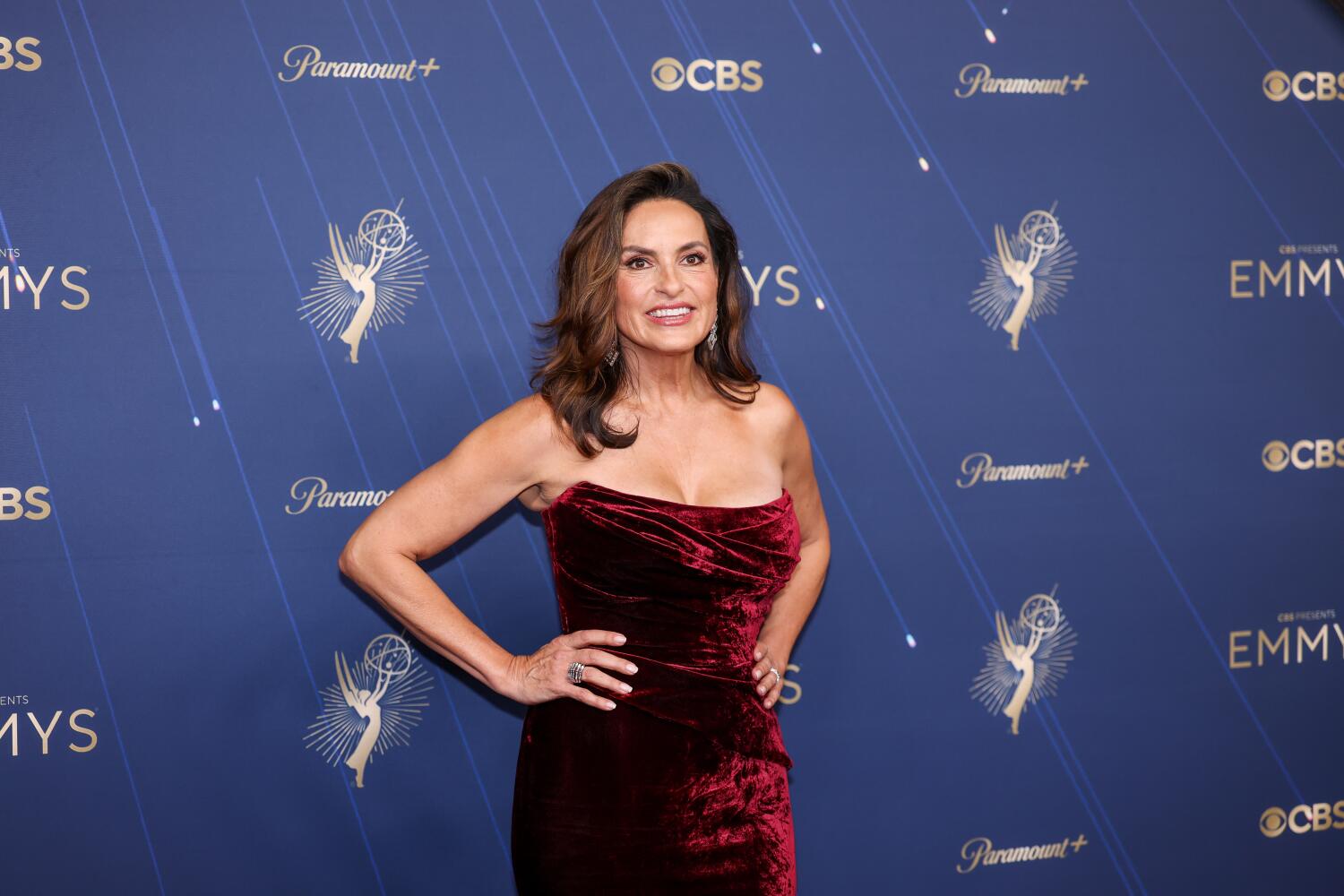
Hollywood is celebrating the announcement that Mariska Hargitay will host the 2026 Emmy Awards as a masterstroke of nostalgia and stability. They think anchoring TV’s biggest night to Olivia Benson—a character who has lived on network television for nearly three decades—will magically lure back the millions of viewers who abandoned the broadcast ship years ago.
They are dead wrong.
This choice isn't a victory lap for a television icon. It is a textbook extinction burst from an industry that has run completely out of ideas. By leaning on the ultimate symbol of comfort-food linear television, the Television Academy is signaling that it would rather drown in familiarity than adapt to how audiences actually consume media today.
The Illusion of the Safe Pair of Hands
The lazy consensus across the entertainment trades right now is simple: the Emmys need a ratings win, and Hargitay represents unassailable, cross-generational goodwill. The logic dictates that because Law & Order: SVU syndicates brilliantly and anchors NBC’s schedule, its star can bridge the gap between legacy viewers and the cord-cutters.
But hosting a modern awards show requires an entirely different psychological contract with the audience than starring in a procedural drama.
- The Drama Host Fallacy: Dramatic actors historically struggle in the host slot because the gig demands comedic self-deprecation, sharp crowd work, or high-concept showmanship.
- The Nostalgia Trap: You cannot nostalgia-bait an audience into watching a three-hour live broadcast filled with awards for shows they have never heard of, streaming on platforms they don't subscribe to.
I have spent years analyzing media distribution and audience metrics behind the scenes. When a legacy brand faces a structural crisis—like a 70% drop in linear viewership over a decade—the absolute worst move it can make is appealing exclusively to its remaining, aging core. It feels safe in the boardroom, but it is fatal in the market.
Imagine a legacy auto manufacturer responding to the electric vehicle shift by proudly re-releasing a 1998 sedan with a tape deck. That is exactly what the Television Academy is doing here.
Dismantling the "People Also Ask" Delusion
When people search for updates on the 2026 Emmy Awards, the queries betray a fundamental misunderstanding of why these shows are dying. Let’s correct the premise of the internet's most common questions.
"Will a popular host like Mariska Hargitay fix the Emmy ratings?"
No. Because the host isn't the bottleneck; the distribution mechanism is. People do not avoid the Emmys because they dislike the person at the podium. They avoid the Emmys because the format is an archaic relic. Expecting a single celebrity to reverse structural audience fragmentation is like expecting a new coat of paint to fix a car with a dead engine.
"How do awards shows choose their hosts?"
Historically, through network synergy and risk mitigation. NBC is broadcasting the ceremony this year, so they chose an NBC star. It is corporate shorthand designed to please advertisers during the upfronts, not an inspired creative decision meant to capture the cultural zeitgeist.
"What makes a successful Emmy host today?"
The definition of success has shifted entirely, and Hollywood hasn't caught up. A successful host in 2026 isn't someone who keeps the show moving smoothly for the people in the room. It is someone who generates micro-content that cuts through the noise on vertical video platforms the next morning. If your host doesn't translate into millions of views on TikTok and YouTube Shorts within six hours of the curtain dropping, the broadcast failed.
The Brutal Mechanics of the Attention Economy
Let's look at the actual data driving the entertainment business today. Linear television usage among adults under 35 has cratered. The viewers the Emmys desperately need to attract do not watch network procedurals in real-time. They consume television as a decentralized buffet of prestige streaming, independent web series, and creator-led platforms.
| Metric | Legacy Broadcast Model | Modern Attention Model |
|---|---|---|
| Primary Audience | 50+ Demographic | Gen Z & Millennials |
| Consumption Style | Appointment viewing (Live) | On-demand / Clip-based |
| Discovery Engine | Network Promos | Algorithmic Feeds |
| Host Utility | Monologue & Teleprompter | Memetic Sandbox |
By casting Hargitay, the Academy is doubling down on the left column while the entire world has moved to the right.
The downside to my contrarian view is obvious: leaning into the chaos of modern internet culture can alienate the older viewers who still watch live TV. If you hire an edgy internet creator or an unconventional comedian, you risk a backlash or a confusing broadcast for the traditionalists. But that is a risk worth taking. A spectacular, messy failure that sparks intense online debate is infinitely better for a brand than a polite, boring decline into total irrelevance.
How to Actually Save the Broadcast
If the producers want to avoid a historic ratings low, they need to stop treating Hargitay like a traditional master of ceremonies. They must strip away the predictable structure of the awards show entirely.
- Weaponize the Serious Persona: Instead of forcing her into a campy, musical opening number or a standard comedy monologue that feels unnatural, lean into the gravity of her brand. Turn the opening into an intense, deadpan interrogation of Hollywood’s elite.
- Deconstruct the Presentation: Break the wall between the stage and the audience immediately. The days of glitzy, detached opulence are over. Audiences crave authenticity and friction, not sterile reverence.
- Prioritize the Secondary Screen: Design every single segment with the assumption that 80% of the audience is looking at their phone while the television is playing. If a segment doesn't translate to a silent screen with captions, cut it from the script.
The entertainment industry is terrified of looking foolish, so it clings to the familiar. But in a fragmented media ecosystem, familiarity is synonymous with invisibility. Tapping a beloved television cop to protect the Emmys won't stop the bleeding. It just ensures the lights stay on while the ship goes down.