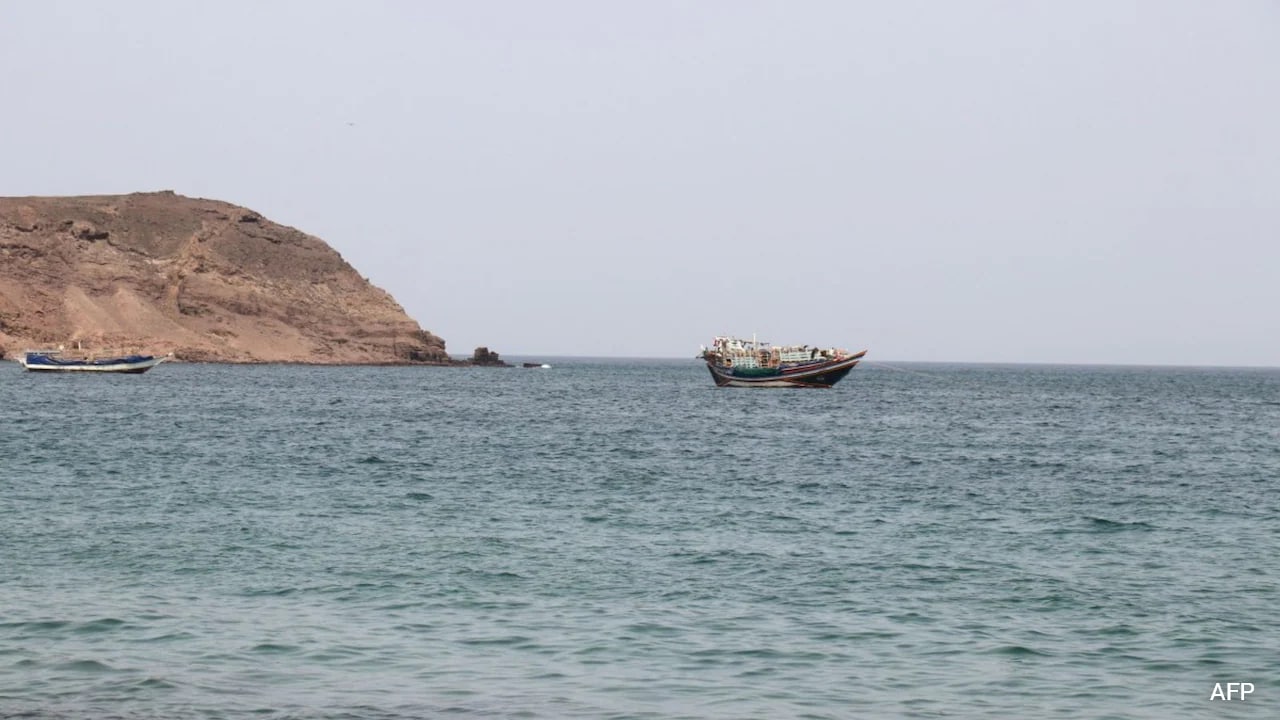
Maritime surface actions involving low-signature asymmetric assets and blue-water naval combatants expose a fundamental economic and tactical imbalance in modern naval warfare. When United States naval forces neutralized two small Iranian surface craft attempting to recover or seize a disabled unmanned surface vessel in international waters, the incident demonstrated more than a tactical kinetic engagement. It laid bare the cost-asymmetry equation governing littoral choke points and high-value asset protection.
To understand the operational mechanics of such skirmishes, analysts must deconstruct the strategic variables that drive engagement decisions, resource expenditure, and tactical escalation control in confined waters like the Persian Gulf and the Strait of Hormuz.
The Cost Function of Littoral Interdiction
Naval engagement decisions are rarely governed purely by tactical necessity; they are functions of cost-benefit ratios measured in capital expenditure, asset replacement velocity, and political exposure.
The primary driver of the asymmetric threat model is cost inversion. Operating a multi-billion-dollar guided-missile destroyer or littoral combat ship requires substantial financial investment per operating hour, paired with high-value munitions such as precision-guided missiles or rapid-fire medium-caliber ammunition systems. Conversely, utilizing rigid-hull inflatable boats or modified fishing skiffs equipped with commercial communications and light crew-served weapons incurs negligible capital costs for the adversary.
When an adversary deploys low-cost surface craft to harass, intercept, or capture unmanned assets, they impose a severe resource dilemma on the defending force:
- Munition Consumption Ratio: Expending advanced tactical resources to neutralize low-value platforms tilts the operational logistics balance in favor of the attritional attacker.
- Engagement Threshold Constraints: Rules of engagement require strict verification of hostile intent before kinetic force is authorized, forcing naval commanders to balance self-defense protocols against the risk of unprovoked escalation.
- Asset Vulnerability: Unmanned surface and underwater vehicles operate without onboard human intervention, making them attractive targets for state and non-state actors seeking reverse-engineering opportunities or psychological victories.
Tactical Mechanics of Unmanned Asset Recovery Interventions
The attempted seizure of a naval drone highlights the growing friction point between automated maritime surveillance and physical interdiction. Unmanned systems are force multipliers designed to gather intelligence, surveillance, and reconnaissance data without risking human personnel. However, their slow transit speeds, predictable navigational patterns, and lack of autonomous defensive countermeasures make them vulnerable to physical boarding actions.
When surface vessels attempt to intercept an autonomous asset, defending naval forces must execute a rapid operational sequence:
- Sensor Cueing and Threat Identification: Recognizing anomalous vessel behavior within proximity to sensitive robotic assets using radar, electro-optical, and infrared tracking systems.
- Vector Interposition: Deploying organic helicopter assets or fast-response surface interceptors to physically interpose between the hostile craft and the targeted unmanned vehicle.
- Proportional Escalation: Issuing bridge-to-bridge warnings, deploying non-lethal deterrents, and, if hostile intent is definitively established, delivering precise kinetic suppression.
In the case of the Iranian boat engagement, the escalation sequence transitioned rapidly from surveillance disruption to direct kinetic action once the surface craft presented a direct threat to friendly forces and operating assets. The tactical reality of close-quarters engagements in confined sea lanes leaves zero margin for delayed decision-making.
Strategic Fallout and Operational Adaptations
The structural reality of these engagements forces naval planners to rethink asset protection frameworks in contestedlittoral zones. Relying solely on conventional surface combatants to guard low-cost robotic platforms is economically unsustainable over extended deployment cycles.
Naval forces are thus compelled to adapt through three structural shifts:
First, command structures are decentralizing tactical response authorities, allowing tactical commanders closer to the theater to authorize defensive measures instantly rather than waiting for multi-tiered chain-of-command clearance.
Second, defense acquisition programs are pivoting toward networked swarming architectures, where unmanned surface vehicles operate in mutual-support groups capable of coordinated evasion or distributed non-lethal asset denial, reducing the need for continuous human-crewed escort ships.
Third, rules of engagement are being codified to treat any unauthorized approach toward sovereign naval property within defined exclusion zones as an implicit kinetic provocation, compressing the decision cycle from minutes to seconds.
As littoral zones become increasingly crowded with autonomous sensors and asymmetric actors, the margin for error shrinks. Navies that fail to align their defensive cost structures with the low-cost reality of asymmetric harassment will find themselves strategically outpaced, forced to spend disproportionate capital on tactical defense while adversaries operate at marginal expense. The kinetic neutralization of small surface craft is a symptom of this broader structural friction, signaling that the future of maritime security belongs to those who master the economics of distributed force protection.