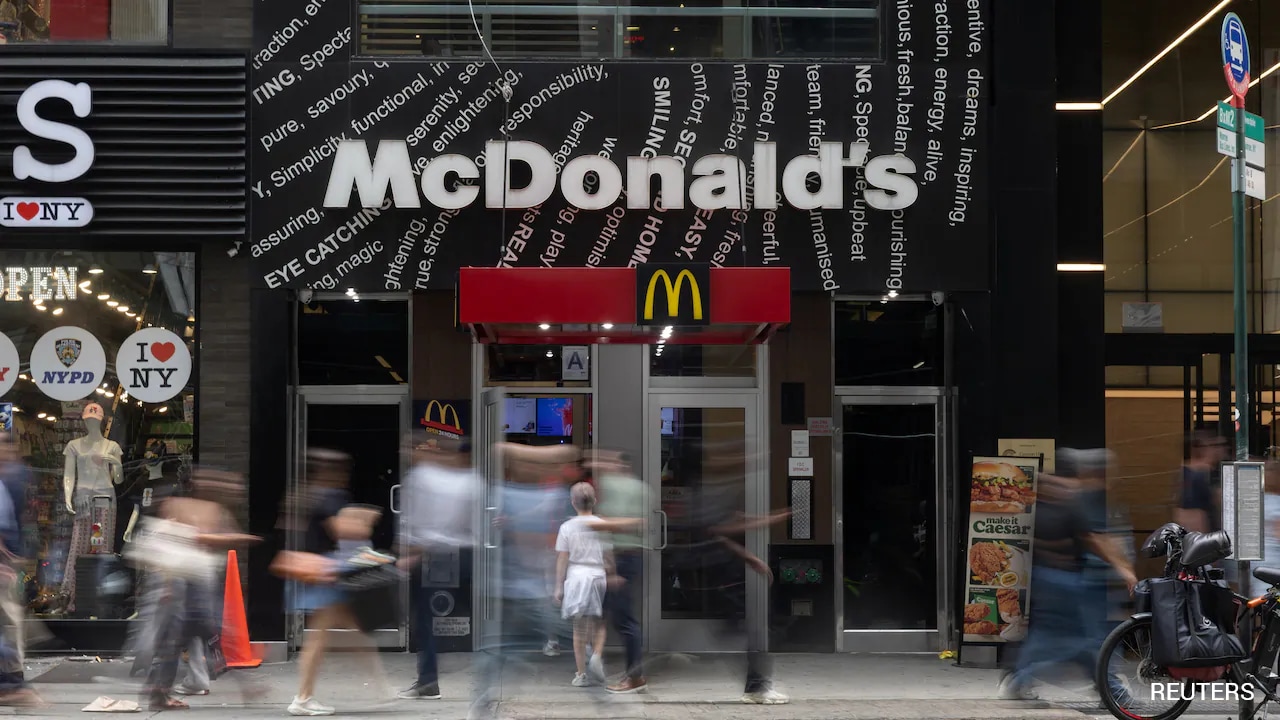
You pull into the drive-thru lane. You want a Big Mac and a discounted coffee. You expect the menu board to show a flat rate that stays the same whether it's a freezing Tuesday morning or a blistering Friday night. Those days are fading fast.
Behind that glowing plastic sign, digital algorithms are quietly taking over. McDonald's is moving toward dynamic pricing models powered by artificial intelligence and automated menu boards. Your meal isn't priced based on a simple statewide markup anymore. It's priced based on weather patterns, local foot traffic, wait times, and how badly you want that burger right now.
Most people haven't noticed the shift yet. They just blink at a total that feels a bit higher than last week. But this change represents a massive overhaul of how global fast-food giants extract profit from everyday
Why McDonald's Dynamic Pricing Changes How You Buy Fast Food
business
You pull into the drive-thru on a humid Tuesday afternoon. You order your usual Big Mac and a medium iced coffee. You tap your card, glance at the receipt, and wonder why the exact same order cost thirty cents more than it did last Friday morning.
You aren't losing your mind. The menu board is shifting.
Fast food used to be the ultimate safe space of predictable economics. A dollar menu meant a dollar everywhere, rain or shine, morning or night. Those days are gone. Behind the glossy touchscreens and mobile app promotions, algorithms are quietly rewriting how pricing works. McDonald's is leaning hard into smart automation, testing digital pricing models that change based on when you order, how you order, and where you happen to be standing.
Let's look at what is actually happening behind the counter.
The Reality of Algorithmic Menu Boards
Dynamic pricing isn't a new concept. Uber does it when surge pricing hits a Friday night bar rush. Airlines do it constantly as seats fill up. But translating that friction into a quick-service restaurant environment required a massive infrastructure upgrade.
McDonald's spent years rolling out self-order kiosks and revamping its mobile app ecosystem. Once those digital touchpoints captured enough transaction volume, the foundation for variable pricing was set. Digital menu boards replaced static plastic signs across thousands of locations. These screens allow prices to shift in real time.
If demand spikes during a local football game or a sudden rainstorm empties nearby office buildings, the system can adjust. It works quietly in the background. You get your food, but you pay a price that reflects the exact moment of consumption.
Why Morning Coffee Is the Real Test
Beverages are where the strategy gets interesting. Coffee has always been a high-margin product for fast-food chains, but it is also fiercely contested territory. Morning commuters have endless options, from local independent coffee shops to high-end national chains.
To win that morning routine, McDonald's uses targeted discounts through its app. Instead of a blanket discount for everyone, the app serves personalized offers based on your purchase history. If you usually buy a breakfast sandwich but skip the coffee, you might see a promotion for a discounted brew. If you buy coffee every single day at 7:30 AM, you get zero discount because you don't need the incentive.
This is behavioral economics applied at scale. The price you pay for your morning coffee is no longer just about the cost of beans and milk. It is about your personal habits mapped against store capacity at that exact minute.
What People Get Wrong About Automated Pricing
Most consumers assume dynamic pricing is just a sneaky way for corporations to gouge people during peak hours. That is only half the story.
When demand drops, the same algorithm can trigger discounts to keep kitchens busy and staff working efficiently. Think about the dead zone between the lunch rush and the dinner hour. A quiet kitchen loses money. By dropping prices on specific items during those slow windows, the system entices budget-conscious buyers through the doors when capacity is sitting empty.
It is a balancing act between supply and demand, scaled down to a neighborhood storefront.
The friction comes from transparency. When a menu board changes prices right in front of you, it feels personal. It feels unfair. People prefer the illusion of a fixed price, even if a fixed price means everyone subsidizes peak-hour rushes equally.
How to Protect Your Wallet
You don't have to surrender to the algorithm entirely. If you want to avoid paying peak surge rates on your favorite meals, a few practical habits make a real difference.
- Order ahead on the app: Mobile orders often lock in prices before you arrive, shielding you from sudden board adjustments at the drive-thru lane.
- Shift your timing by thirty minutes: Arriving just before or just after peak rush windows can trigger off-peak promotions and lower base rates.
- Ignore generic coupons: Check your app rewards specifically for personalized deals tailored to items you actually buy, rather than accepting broad menu pricing.
- Compare delivery apps: Third-party delivery services layer their own markups on top of dynamic restaurant pricing, turning a cheap lunch into an expensive mistake. Pick up whenever possible.
The fast-food landscape has permanently shifted from static uniformity to fluid personalization. Understanding how these systems operate lets you play the game on your own terms instead of paying whatever the algorithm decides you are worth at 12:15 PM.