The release of public health data indicating over 16,000 heat-related fatalities in Germany during a single summer season exposes an institutional failure in how modern states measure, model, and mitigate environmental morbidity. When the Robert Koch Institute quantifies these mortality metrics, the resulting figures are routinely treated as isolated meteorological anomalies rather than systemic operational stress tests. This analytical framework deconstructs the structural mechanics behind extreme temperature mortality, mapping the physiological tipping points, urban design vulnerabilities, and systemic healthcare bottlenecks that transform thermal spikes into mass mortality events.
The Physiology of Thermal Stress and Compounding Vulnerability
Heat-related mortality is rarely a direct consequence of hyperthermia or isolated heatstroke in an otherwise healthy population. Instead, the macroeconomic and epidemiological burden stems from thermal acceleration of pre-existing chronic pathologies. If you liked this article, you might want to read: this related article.
[Ambient Thermal Spike]
       │
       ▼
[Cardiovascular Strain] ──(Vasodilation & Tachycardia)──► [Myocardial Ischemia / Stroke]
       │
       ▼
[Renal Hypoperfusion] ────(Dehydration & Electrolyte Loss)──► [Acute Kidney Failure]
       │
       ▼
[Respiratory Burden] ─────(Ventilatory Demand)─────────────► [Pulmonary Decompensation]
When ambient temperatures exceed human thermoneutral zones, the cardiovascular system initiates compensatory vasodilation to dissipate core heat. This redirects blood flow to the skin, drastically increasing cardiac output. For populations with underlying ischemic heart disease, hypertension, or chronic renal insufficiency, this hyper-dynamic state triggers acute decompensation.
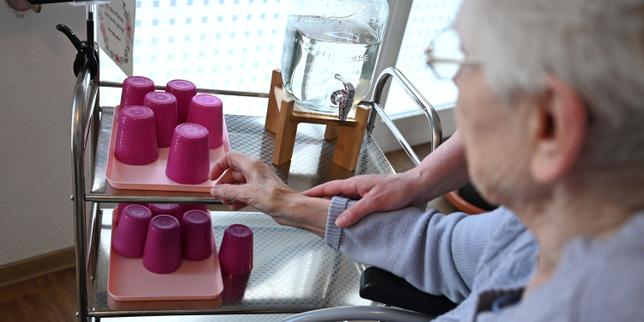
The demographic distribution of the 16,000 fatalities maps directly onto this physiological vulnerability curve. Individuals aged 75 and older represent the vast majority of casualties, driven by age-related blunting of cutaneous vasodilation, diminished thirst perception, and polypharmacy. Diuretics, beta-blockers, and psychotropic medications frequently impair the body's natural homeostatic cooling mechanisms, transforming routine pharmacological maintenance into a physiological liability during sustained heatwaves. For another perspective on this story, refer to the latest update from World Health Organization.
The Urban Thermal Mass Bottleneck
The geographical concentration of heat-related mortality highlights the structural deficiencies of Central European urban planning. Traditional European architecture, optimized for thermal retention during harsh winters, functions as a thermal trap during prolonged atmospheric blocking patterns.
Urban areas exhibit a pronounced Urban Heat Island effect, driven by three core geometric and material variables:
- High Albedo Absorption: Dark roofing materials and dense asphalt matrices absorb shortwave radiation during peak daylight hours and reradiate it as longwave infrared radiation long after sunset.
- Ventilation Impedance: High-density perimeter block development restricts surface-level wind flow, preventing nocturnal boundary-layer cooling and trapping stagnant, humid air masses.
- Anthropogenic Heat Flux: Vehicular traffic, industrial HVAC discharge, and localized energy consumption continuously inject sensible heat directly into the urban canopy layer.
During multi-week heat episodes, the absence of nocturnal cooling prevents human core body temperatures from resetting during sleep. This continuous physiological strain eliminates the recovery window, causing cumulative cellular damage over successive days of exposure.
Healthcare System Capacity and Triage Failure
The systemic shock of extreme heat manifests rapidly within acute healthcare delivery networks. The operational bottleneck is non-linear: as ambient temperatures cross critical thresholds, emergency department admissions surge due to syncopal episodes, electrolyte imbalances, and acute renal failure.
[Ambient Temp Exceeds Threshold]
       │
       ▼
[Surge in Emergency Admissions]
       │
       ▼
[Inpatient Bed Saturation]
       │
       ▼
[Staff Burnout & Triage Failure] ──► [Spike in Excess Mortality]
Hospitals operate under lean capacity constraints designed for baseline operational variance. A surge in heat-induced admissions strains emergency room capacity, leading to extended triage wait times, delayed fluid resuscitation, and compromised monitoring of vulnerable inpatients. Furthermore, hospital infrastructure itself frequently lacks adequate environmental control systems. Facilities built decades ago often rely on passive ventilation rather than centralized climate control, exposing hospitalized patients who are already immunocompromised or recovering from surgery to dangerous indoor thermal loads.
The Attribution Gap in Public Health Tracking
Quantifying heat mortality presents a methodological challenge because death certificates rarely list "heat" as the primary underlying cause of death. Instead, mortality data relies on excess mortality models—statistical comparisons of observed deaths during a heatwave against historical baseline averages for the same calendar period.
This methodology introduces two distinct analytical distortions:
- Displacement Mortality: A fraction of individuals who succumb during an acute heatwave represent the "harvesting effect"—medically fragile individuals whose deaths were accelerated by days or weeks rather than years. However, massive multi-thousand-death spikes far exceed normal mortality displacement parameters, proving that ambient heat acts as an independent lethal driver.
- Lagged Mortality Curves: Physiological collapse often lags peak temperatures by three to five days. Public health tracking systems that measure concurrent daily mortality frequently underestimate total impact by failing to account for delayed-onset cardiovascular and metabolic failures following thermal exposure.
Strategic Allocation of Mitigation Capital
Mitigating future heat-induced mortality requires shifting public health expenditure from reactive emergency response to proactive structural adaptation. Municipalities must abandon piecemeal interventions in favor of capital allocation models targeting the primary points of failure.
Urban microclimate engineering must prioritize the systematic de-paving of asphalt-dense districts, the installation of high-albedo cool roofs on public and residential housing blocks, and the expansion of continuous linear park networks designed to channel nocturnal katabatic winds through dense city centers. Simultaneously, building codes must be revised to mandate mechanical cooling and passive shading retrofits for elder-care facilities and multi-family residential complexes.
Public health surveillance requires real-time integration of electronic health records with hyper-local meteorological data, establishing automated trigger thresholds for deploying targeted clinical outreach to high-risk demographic cohorts before physiological decompensation occurs.
The video above outlines the public health reporting and meteorological context surrounding the record heat-related mortality figures in Germany.