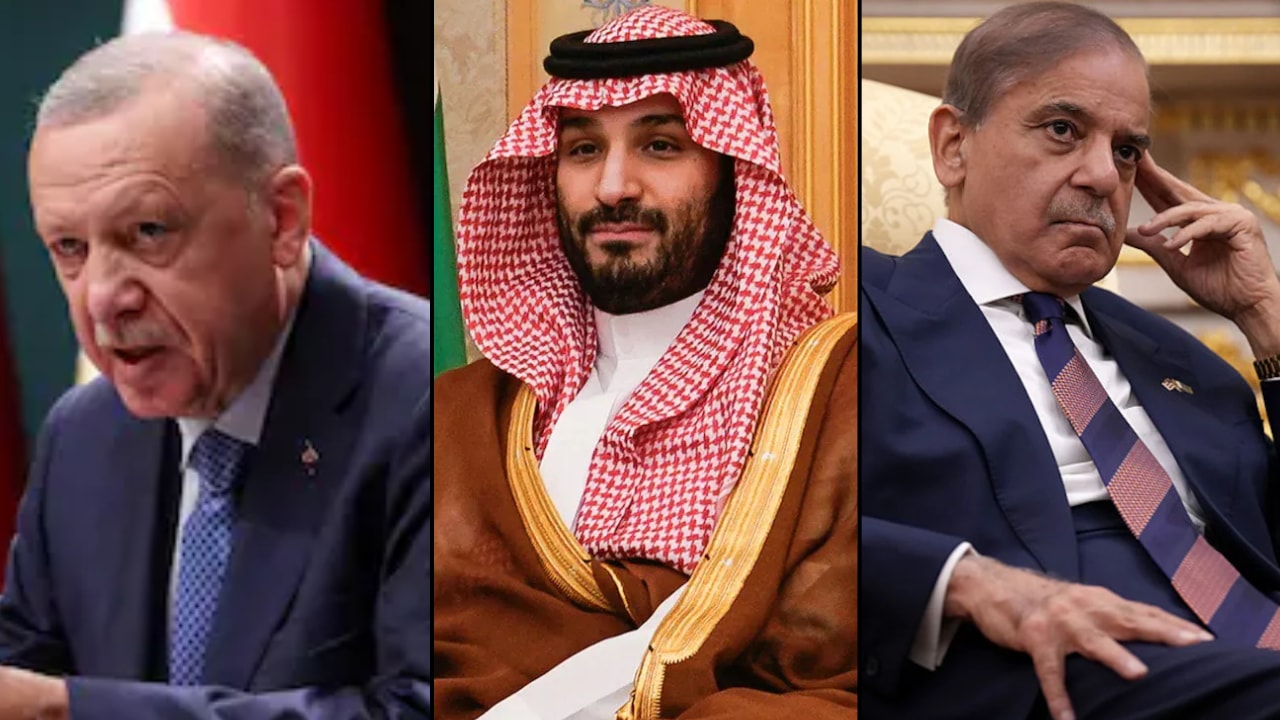
The ink on the Mecca Joint Defence Agreement is barely dry, and New Delhi is already recalculating its strategic calculus. When Saudi Arabia, Turkey, and Pakistan inked a mutual security pact on August 7, 2026, claiming that an attack on one is an attack on all three, international headlines focused heavily on Middle Eastern instability. But look past the rhetoric of Islamic solidarity, and you will find a quiet geopolitical headache for India.
India’s Ministry of External Affairs responded with measured caution, stating they are closely tracking developments. Diplomatic speak aside, veteran security analysts aren't sugarcoating it. They call it a negative development for Indian interests. Let's break down what this trilateral arrangement actually means, why it matters, and how it shifts power dynamics across Asia.
The Anatomy of the Mecca Agreement
The trilateral pact signed in Saudi Arabia brings together three distinct pillars of regional influence. Saudi Arabia brings unmatched financial capital and energy market dominance. Turkey contributes cutting-edge military hardware, electronic warfare tech, and drone manufacturing. Pakistan supplies a massive, combat-hardened army alongside its nuclear deterrent.
The core clause is simple: any armed attack against any of the three states is treated as an aggression against all of them. This mimics collective security models like NATO, even if the specific military commitments remain heavily obscured behind closed doors.
For Islamabad, this treaty offers an economic lifeline wrapped in military uniform. Pakistan has long leveraged its tactical capabilities for financial backing. By tying its security directly to Riyadh's deep pockets and Ankara's industrial base, Islamabad secures vital monetary relief while expanding its diplomatic footprint.
Why This Poses a Direct Dilemma for New Delhi
India has spent the last decade carefully building robust, multi-billion-dollar economic and strategic partnerships with Gulf monarchies, especially Saudi Arabia. New Delhi views Riyadh as a crucial energy supplier and a counterweight to regional radicalism.
However, bringing Pakistan into a formal collective defence framework with India's key West Asian partners complicates things. Turkey has consistently taken hostile, anti-India stances on international platforms, particularly regarding Kashmir, and has demonstrated close military synchronization with Islamabad.
If Pakistan's military apparatus gains deeper institutional integration with Ankara and Riyadh, India faces indirect risks. Even if Saudi Arabia stays neutral during an India-Pakistan skirmish, the intelligence sharing, weapons development, and financial cushioning generated by this pact directly bolster Islamabad's state capacity.
The Broader Geopolitical Ripple Effects
You cannot look at this pact in a vacuum. It sits against a backdrop of shifting American influence and persistent regional conflicts in West Asia. Riyadh has sought to diversify its security architecture after facing continuous aerial threats to its critical oil infrastructure.
At the same time, Turkey views expanding geopolitical friction with Israel as an existential concern, while Iran watches these Sunni-led military alignments with a mixture of suspicion and tactical accommodation. For Beijing, which maintains an iron-clad friendship with Islamabad, a more self-reliant regional security bloc that reduces American military hegemony in the Gulf serves as a welcome background development.
New Delhi now faces the diplomatic challenge of ensuring its bilateral ties with Riyadh remain insulated from Islamabad's regional ambitions. India must actively engage Saudi leadership to make sure Indian national security sensitivities are respected, proving that New York, Washington, or Beijing aren't the only capitals capable of nuanced strategic maneuvering. Watch how diplomatic exchanges unfold over the coming months; the real test of this pact will happen the moment regional security experiences its next major shockwave.
Inside The Pakistan, Saudi Arabia & Turkey Defense Pact
This video provides an in-depth breakdown of the newly signed trilateral defence pact between Pakistan, Saudi Arabia, and Turkey, examining its strategic components and regional consequences.