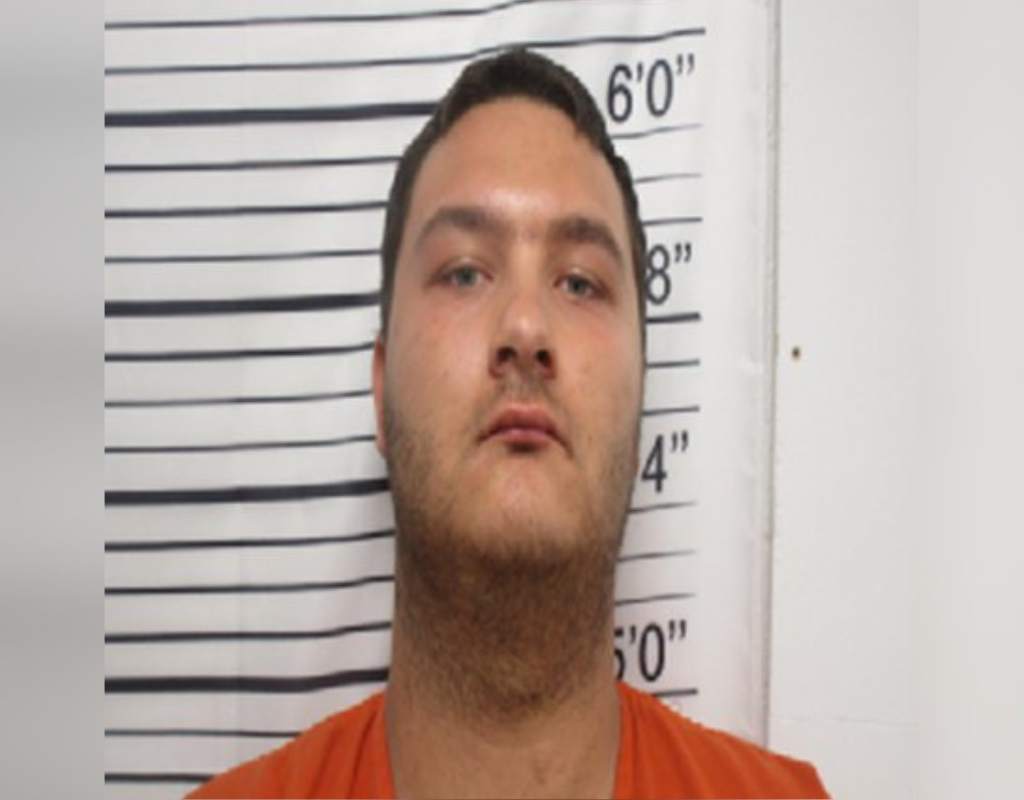
The effectiveness of an active shooter intervention is determined by the intersection of three critical variables: temporal proximity, psychological symmetry, and kinetic restraint. In the May 2019 incident at Parkrose High School involving coach Keanon Lowe and student Angel Granados-Diaz, the outcome—zero casualties—diverged from statistical norms because Lowe prioritized psychological de-escalation over physical neutralization despite the presence of a firearm. Most active shooter protocols focus on the "Run, Hide, Fight" hierarchy, but this event demonstrates a fourth, highly specialized category: the Empathetic Interdiction.
The Architecture of Response
Analyzing the CCTV footage through a tactical lens reveals a sequence of events that defy standard security responses. The intervention functions as a closed-loop system where each action by the interceptor reduces the mechanical and psychological capacity of the assailant to discharge the weapon.
The Proximity Variable
In active threat scenarios, the "OODA Loop" (Observe, Orient, Decide, Act) dictates the speed of engagement. Lowe’s response was characterized by a collapsed OODA loop. Because he was already physically present within the immediate radius of the threat, the latency between observation and action was near zero.
- Sensory Detection: The visual confirmation of a long gun (a shotgun) triggered an immediate transition from educator to interceptor.
- Vector Alignment: Lowe did not retreat to seek cover, which is the standard civilian response. He moved directly into the assailant’s "dead zone"—the area where a long-barreled weapon is least effective due to its length and maneuverability constraints.
- Mechanical Neutralization: By securing the weapon with one hand while simultaneously initiating physical contact with the person, Lowe effectively decoupled the weapon from its intended utility.
Kinetic vs. Non-Kinetic Force
The footage highlights a rare application of "minimum necessary force." While tactical training often emphasizes "stopping the threat" through incapacitation, Lowe utilized a Stabilization Grip. This maneuver serves two purposes: it prevents the assailant from re-orienting the muzzle toward a target and provides a physical anchor that limits the assailant's movement without requiring a strike or a takedown that might trigger a sympathetic nervous system "fight" response.
The Psychological Symmetry Framework
The Parkrose incident serves as a case study in crisis negotiation under kinetic conditions. The assailant, a student in a mental health crisis, was not an "active shooter" in the traditional predatory sense; he was a "suicidal-homicidal" subject whose primary target appeared to be himself, with the school serving as the stage.
Identification of the Crisis Profile
Security analysts distinguish between "predatory" and "affective" violence. Predatory violence is planned, cold, and target-oriented. Affective violence is an emotional outburst, often messy and communicative. Lowe’s decision to hug the student post-disarmament is not merely a gesture of compassion; it is a tactical redirection of the student’s internal state.
- Emotional Anchoring: By embracing the student, Lowe forced a shift from the "threat" persona to a "human" persona.
- The Hug as Restraint: From a security standpoint, a hug is a high-compression hold. It allows the interceptor to feel the subject’s breathing, muscle tension, and movements, providing total control over the subject’s center of gravity while appearing non-threatening to bystanders.
- The Validation Loop: Verbalizing empathy during the physical hold prevents the "re-escalation" phase where a disarmed subject might attempt to flee or reach for a secondary weapon.
The Infrastructure Failure and Human Redundancy
The success of this intervention highlights a systemic vulnerability in modern school security: the reliance on Human Redundancy when technical and structural barriers fail.
The Barrier Breakdown
The student was able to enter the classroom area with a shotgun concealed in a garment bag. This indicates a failure in the Detection Layer of the school's security architecture.
- Point of Entry (POE) Vulnerability: Standard schools are "soft targets" because they prioritize accessibility over rigorous screening.
- Delayed Alert Systems: The CCTV shows that the intervention occurred before any centralized alarm or lockdown protocol could be fully enacted.
The Role of the School Resource Officer (SRO) vs. The Trusted Adult
Lowe held a hybrid role—security guard and coach. This dual identity is a critical variable. A uniformed officer might have triggered a "threat response" from the student, leading to a discharge of the weapon. A trusted figure like a coach utilizes Social Capital as a tactical tool. The student’s hesitation at the moment of contact suggests that the social bond with the interceptor created a cognitive dissonance that inhibited the pull of the trigger.
Quantifying the Intervention Success
The "Value of Life Saved" (VLS) in this scenario can be calculated through the avoidance of the "Contagion Effect." Mass shootings often trigger clusters of similar events. By neutralizing the threat without a single shot fired and without the death of the assailant, Lowe prevented the creation of a "martyr" or "villain" narrative that often fuels copycat behavior in digital ecosystems.
The Tactical Cost Function
Every second spent in a kinetic engagement increases the probability of accidental discharge. The Parkrose footage shows a duration of approximately 10 to 15 seconds from the initial contact to the weapon being handed off to another staff member.
- Risk of Discharge: High during the initial grab.
- Risk of Secondary Threat: Low, as the subject’s psychological state was shattered by the empathetic contact.
- Recovery Time: Immediate. Because no blood was shed, the school's psychological recovery began the moment the hug was initiated.
Strategic Recommendations for Institutional Safety
The Parkrose incident should not be viewed as a replicable standard for all personnel, as Lowe’s background as a high-level athlete and trained security staff provided him with a physiological advantage (stress inoculation) that most educators lack. However, the logic of his intervention suggests a shift in how we approach "Soft Target" defense.
- Transition to Integrated Behavioral Monitoring: Security must move upstream of the weapon. The breakdown occurred when the student’s distress went unaddressed long enough for him to acquire a firearm.
- The "Guardian" vs. "Warrior" Training Split: Training for school staff should emphasize the "Guardian" model—focusing on de-escalation and physical control—rather than the "Warrior" model, which is predicated on lethal response.
- Physical Layout Optimization: Classrooms should be designed with "intervention zones" where staff can intercept an entrant before they reach the center of the room, utilizing the natural bottleneck of doorways to apply mechanical leverage.
The Parkrose intervention was a high-risk, high-reward tactical outlier. It succeeded because the interceptor correctly diagnosed the subject's psychological state in real-time and applied a non-standard physical response that prioritized the subject's humanity over their threat status. This event proves that in specific crisis profiles, the most effective weapon is the tactical application of radical empathy, backed by the physical capacity to control the mechanics of the threat.
Immediate policy adjustments should focus on providing staff with "Crisis De-escalation" training that mirrors the physical and psychological techniques used by Lowe, recognizing that the goal of school security is not just the elimination of threats, but the preservation of the community fabric through controlled, compassionate intervention.