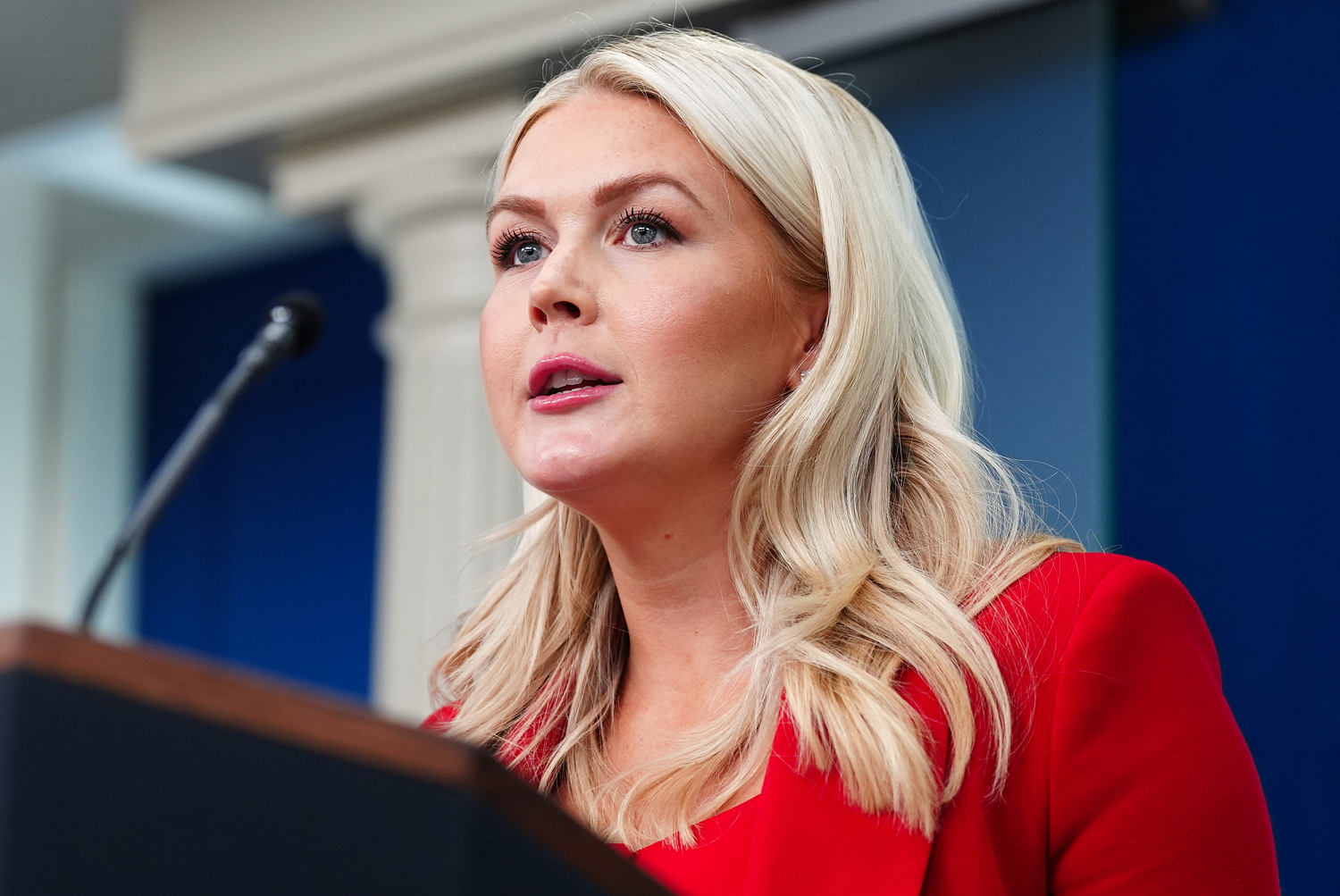
Karoline Leavitt is walking out of the West Wing briefing room and straight into the Fox News green room. The former White House press secretary has officially secured a contributor contract with the conservative network, completing a well-trodden migratory path that has come to define modern American political communication. It is a transition that surprises no one who has watched the symbiotic relationship between cable news networks and administration officials over the past three decades. Yet the speed and mechanics of this particular placement reveal a great deal about how the media ecosystem manufactures authority in Washington.
The career trajectory from government spokesperson to pundit is not an accident of the employment market. It is a calculated alignment of incentives. For the network, hiring a fresh face straight from the podium brings immediate booking value, insider credibility, and a direct line to the political apparatus currently dominating the news cycle. For the individual, the role offers a lucrative media platform, cultural staying power, and an elevated profile that far outlasts any single administration.
When Leavitt takes her seat in front of the studio cameras, she brings a distinct set of tactical communication skills honed in one of the most hostile environments in American politics. The modern press briefing room is less a venue for information sharing and more a combat zone designed for viral soundbites. Those who survive it learn to deflect, pivot, and control the narrative under intense pressure. Networks value this conditioning. They are not hiring neutral analysts; they are hiring battle-tested partisans who know how to command a segment and drive a wedge into the nightly news cycle.
This revolving door raises fundamental questions about the nature of political commentary on television. When a spokesperson trades the official seal of the presidency for a cable news graphic package overnight, the boundary between state communication and independent journalism dissolves entirely. Viewers are left to parse whether the analysis they are receiving stems from objective observation or residual loyalty to a political brand. The networks make little effort to hide the contradiction, treating government experience as a primary qualification for media analysis rather than a potential conflict of interest.
The financial and professional rewards for this transition are substantial. Cable contracts provide a steady income floor and a megaphone that independent commentators spend decades trying to build. Furthermore, this platform acts as a launching pad for future political campaigns, memoir deals, and high-level lobbying positions. The media apparatus serves as both a retirement home for outgoing officials and an incubator for future ones.
As the media landscape fractures further into ideological silos, the demand for authentic insiders who can translate administrative strategy into prime-time television will only accelerate. Leavitt's move to Fox News is a textbook example of this ecosystem at work. It demonstrates that in contemporary politics, the easiest way to talk about the news is to have spent yesterday making it, and the fastest way to influence the narrative is to switch sides of the camera.