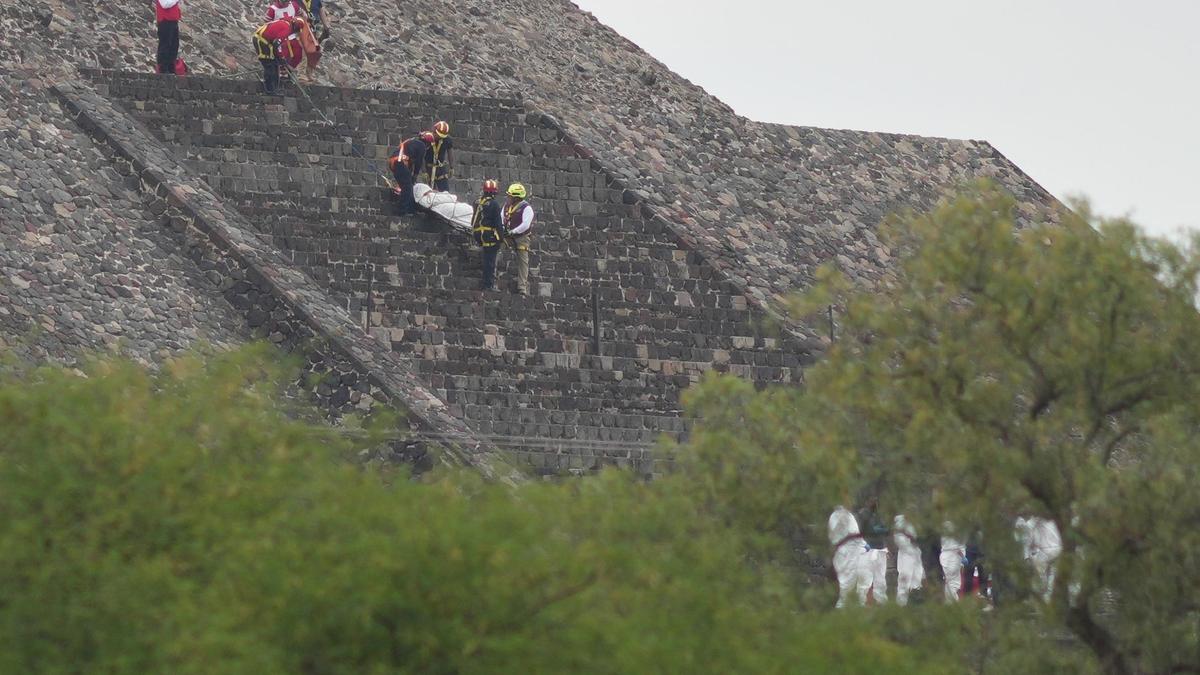
The sun was high over the Pyramid of the Moon when the first shots rang out. It wasn't the sound anyone expected at Teotihuacán, a place usually filled with the murmur of tour guides and the wind whipping across ancient stone. On April 20, 2026, that peace shattered. A 32-year-old Canadian woman is dead, and 13 other tourists are dealing with the physical and mental aftermath of a midday shooting that feels like a glitch in the reality of Mexican tourism.
If you’re planning a trip to Mexico this year, you’re probably asking if anywhere is actually safe. I've looked at the data and the witness reports, and honestly, this wasn't a cartel hit or a robbery gone wrong. It was a targeted act of madness in a place that’s supposed to be a sanctuary. Here is the reality of what happened and what it means for your travel plans.
The Teotihuacán Incident by the Numbers
The shooter, identified as 27-year-old Julio César Jasso Ramírez, didn't just wander in with a weapon. He climbed the 43-meter Pyramid of the Moon and opened fire from an elevated position. This gave him a terrifying vantage point over the Avenue of the Dead.
- 1 Deceased: A 32-year-old female Canadian tourist.
- 7 Gunshot Injuries: Victims include citizens from the U.S., Canada, Colombia, and Brazil.
- 6 Indirect Injuries: People suffered fractures and sprains while scrambling down 47 steep, ancient stone steps.
- 20 to 30 Shots: Witnesses reported a sustained burst of fire before the gunman turned the weapon on himself.
The timing is eerie. The attack happened on the anniversary of the Columbine massacre. Investigators found evidence that Ramírez was obsessed with that specific tragedy, even creating AI-generated images of himself with the Columbine shooters. This wasn't about Mexican crime trends; it was a deeply disturbed individual choosing a high-profile stage.
Security Gaps at Ancient Sites
You’d think a UNESCO World Heritage site receiving nearly 2 million visitors a year would have airport-style security. It doesn't. Most archaeological zones in Mexico rely on bag checks and a handful of federal guards. At Teotihuacán, the sheer scale of the site—over 13 square miles—makes it nearly impossible to monitor every corner.
Ramírez managed to bring a Smith & Wesson Model 10 and a knife onto the grounds. If you've been there, you know the "security" is often just a quick peek into a backpack. In the wake of this, the Mexican National Guard has increased its presence, but the question remains: how do you secure a mountain of stone?
Travel Risks in 2026
While this shooting is an outlier, it highlights a broader tension. Mexico is currently under a Level 2 travel advisory from the U.S. State Department. This means "Exercise Increased Caution." It's the same level as France or Italy. Most of the violence in Mexico is concentrated in specific states like Guerrero or Zacatecas, but the State of Mexico (where the pyramids are located) has always been a bit of a gray zone.
It's easy to say "don't go," but millions do. The 2026 World Cup is just months away. Mexico is under immense pressure to prove it can protect international crowds. If they can't secure the country's most famous ruins, the narrative for the summer's tournament looks grim.
How to Stay Safe While Exploring
I'm not going to tell you to stay home. Travel is always a calculated risk. But if you’re heading to central Mexico or any major archaeological site like Chichén Itzá or Palenque, you need to change how you move.
- Go Early: Most incidents, including this one, happen when crowds are at their peak. Being the first through the gates at 8:00 a.m. gets you out before the midday heat and the peak "chaos window."
- Know Your Exits: These sites are mazes. Don't just follow the crowd. Take a second to look at the map and identify multiple ways out of the central plazas.
- Avoid the High Ground: In an active shooter situation, the person with the high ground wins. Ramírez used the Pyramid of the Moon as a sniper nest. If things feel off, stay near the stone structures at ground level that offer actual cover.
- Monitor Local Alerts: Use apps like X (formerly Twitter) to follow @CAPUFE and local embassy accounts. In this case, social media videos were circulating minutes before official sirens even started.
The Mexican government, led by President Claudia Sheinbaum, is promising a "thorough investigation," but that doesn't bring back the life lost. The reality of 2026 is that heritage sites are soft targets. They represent a nation's pride and attract the exact kind of international attention that modern attackers crave.
Stick to authorized transportation, keep your embassy's contact info on your phone, and don't assume that because a place is "historic," it’s a bubble. It's not. It's the real world, and sometimes the real world is violent. Be smart, stay aware, and don't let the "it won't happen to me" mindset make you a target.