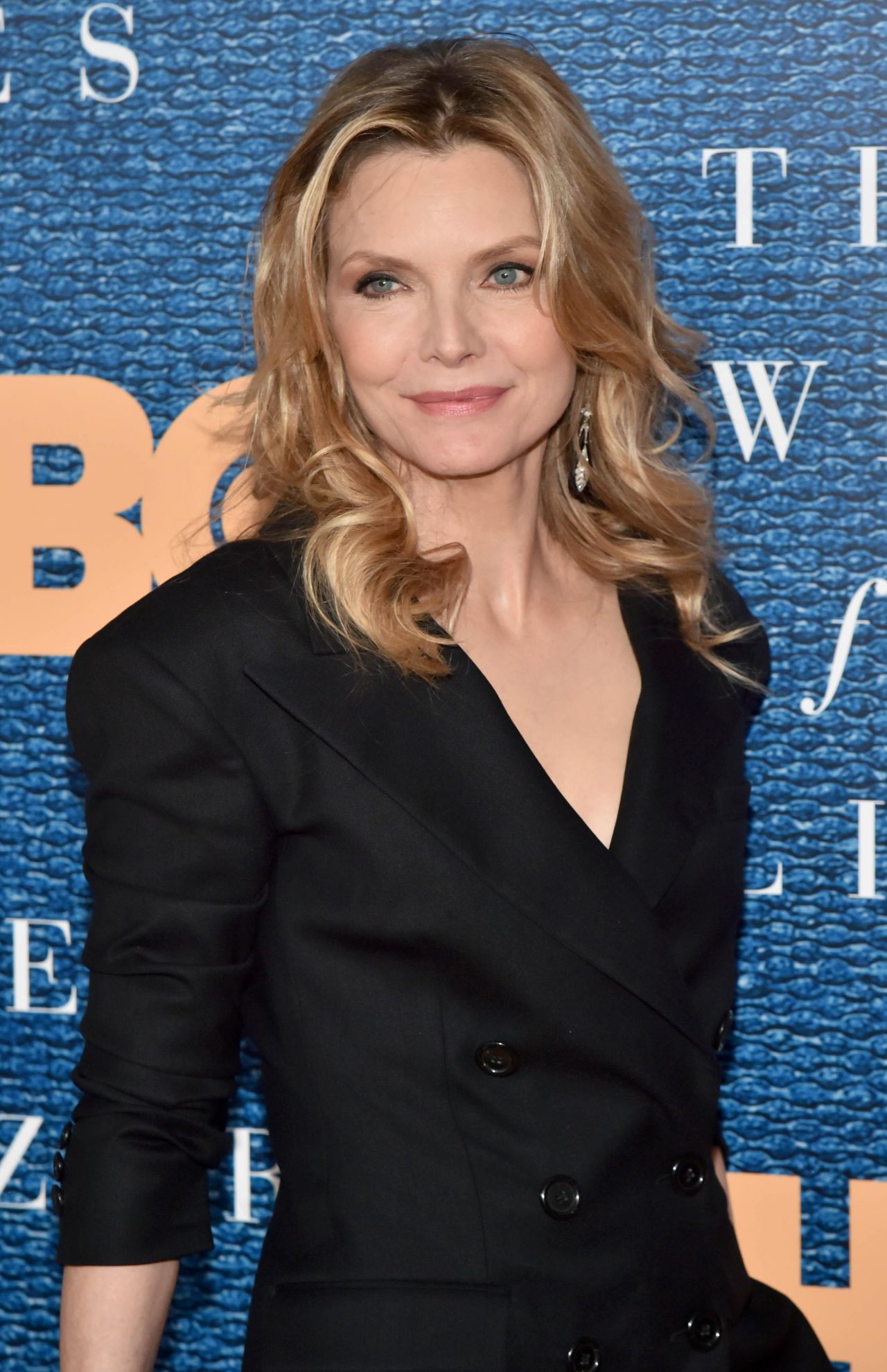
Michelle Pfeiffer is currently executing the most sophisticated brand pivot in modern Hollywood by refusing to play the part the industry usually reserves for women over sixty. While the media often frames her "cool grandma" persona as a simple fashion choice, it is actually a calculated dismantling of the traditional aging arc. She has effectively decoupled the concept of being a grandparent from the concept of being "old," using her digital presence and business ventures to prove that seniority no longer requires a retreat into the background.
The End of the Invisible Woman
For decades, actresses hit a wall at forty-five. One year they were the romantic lead; the next, they were relegated to the "concerned mother" role. By sixty, the only options left were the kooky comic relief or the fading matriarch knitting in the corner. Pfeiffer has bypassed this entire trajectory. By leaning into her role as a grandmother while simultaneously maintaining her status as a style icon and fragrance mogul, she has exposed the flaw in the industry's logic. You might also find this related story insightful: The Ground Shifts Beneath Windsor Castle As The Exiles Come Home.
The power here doesn't come from a desperate attempt to look twenty-five. That is the old way, and it usually ends in tragedy. Instead, Pfeiffer embraces the markers of her age while rejecting the social limitations that used to come with them. She is not "defying" age; she is rewriting the terms of the contract.
Strategic Presence Over Constant Visibility
Unlike many of her peers who chase relevance through constant red-carpet appearances or reality television, Pfeiffer uses a high-scarcity model. She stays out of the spotlight until she has something specific to say or sell. This creates an aura of prestige that makes her occasional Instagram posts—often featuring her grandchildren or a raw, makeup-free selfie—feel like a transmission from an exclusive world rather than a plea for attention. As discussed in recent reports by Associated Press, the results are notable.
This scarcity creates value. When she does appear, it isn't just a sighting; it is an event. This is the "veteran" approach to fame. She knows that in the current attention economy, being quiet is often more effective than being loud.
The Business of Being Authentic
The launch of her fragrance line, Henry Rose, was a move that many analysts missed. It wasn't just another celebrity vanity project. By focusing on ingredient transparency and "clean" beauty, she aligned herself with a younger, more conscious demographic without alienating her longtime fans. She positioned herself as an authority on health and longevity, rather than just a face for a brand.
Rewriting the Grandparent Narrative
The traditional "grandma" archetype is a supporting character in someone else's story. Pfeiffer has flipped this. In her narrative, her grandchildren are an integrated part of a high-octane, successful life, not the end of it. She shows that you can be a doting grandmother and still be the most interesting person in the room.
This shift is crucial for the baby boomer and Gen X demographics, who have more spending power than any other group but feel increasingly alienated by youth-obsessed marketing. Pfeiffer provides a blueprint for an aspirational third act. It is a life defined by agency, not by the needs of the generation below her.
The Counter Argument to the Glamour Narrative
It is easy to look at a multi-millionaire actress and dismiss her experience as unattainable. After all, she has access to the best dermatologists, trainers, and stylists that money can buy. The "glamourous grandma" tag can feel like just another standard women are expected to live up to—one more hoop to jump through in a world that refuses to let women just exist.
However, focusing only on the aesthetics misses the point. The real revolution isn't her skincare routine; it is her refusal to be ashamed of her age. The "why" behind her current success is rooted in confidence. There is a specific kind of power that comes from a woman who no longer needs the industry's permission to be considered relevant.
The Cultural Shift in Hollywood Casting
We are seeing a slow but steady change in how scripts are written for women of a certain age. Producers are beginning to realize that the "Pfeiffer archetype"—the vibrant, independent, and sexually autonomous older woman—is what audiences actually want to see. The success of her recent roles in the Marvel Cinematic Universe and French Exit proves that there is a massive market for stories where the older woman is the protagonist, not the wallpaper.
This isn't just about entertainment; it's about the bottom line. The 50+ demographic controls a massive portion of disposable income. They want to see themselves reflected on screen as something other than a cautionary tale or a source of wisdom for a younger lead.
The Psychological Impact of the High Definition Era
The shift toward "authentic" aging is partly a reaction to the unforgiving nature of high-definition cameras and social media. In the past, soft lighting and heavy makeup could hide the passage of time. Today, that isn't possible. Pfeiffer was one of the first major stars to lean into this, posting photos that show her wrinkles and gray hair.
By doing so, she took the weapon of "aging" out of the hands of the tabloids. You can't "catch" someone looking old if they have already shown you what they look like on a Tuesday morning without a glam squad. This transparency builds a level of trust with an audience that is increasingly tired of filtered perfection.
The Longevity of Influence
Most stars have a shelf life. They burn bright for a decade and then fade into the nostalgia circuit. Pfeiffer has managed to remain a contemporary figure for over forty years. This is not an accident. It is the result of a disciplined career strategy that prioritizes quality over quantity and privacy over publicity.
She has successfully transitioned from the "it girl" of the eighties to the "cool grandmother" of the twenty-twenties without ever losing her core identity. She didn't try to stay stuck in 1983; she moved with the culture, often staying a few steps ahead of it.
The New Standard for Aging in Public
The "Michelle Pfeiffer Method" is about reclaiming the narrative. It is about deciding that your value does not decrease as your age increases. It is about maintaining a career, a business, and a personal life that are all equally vibrant.
The industry used to tell women that they had an expiration date. Pfeiffer has shown that the date was a lie. As more women in their fifties, sixties, and seventies look to her as a model, the very definition of "grandma" will continue to evolve. It is no longer a title that signifies the end of a woman’s personal story. Instead, it is becoming a badge of a life well-lived, and more importantly, a life that is still very much in progress.
Stop waiting for the world to give you permission to stay relevant. Take it.