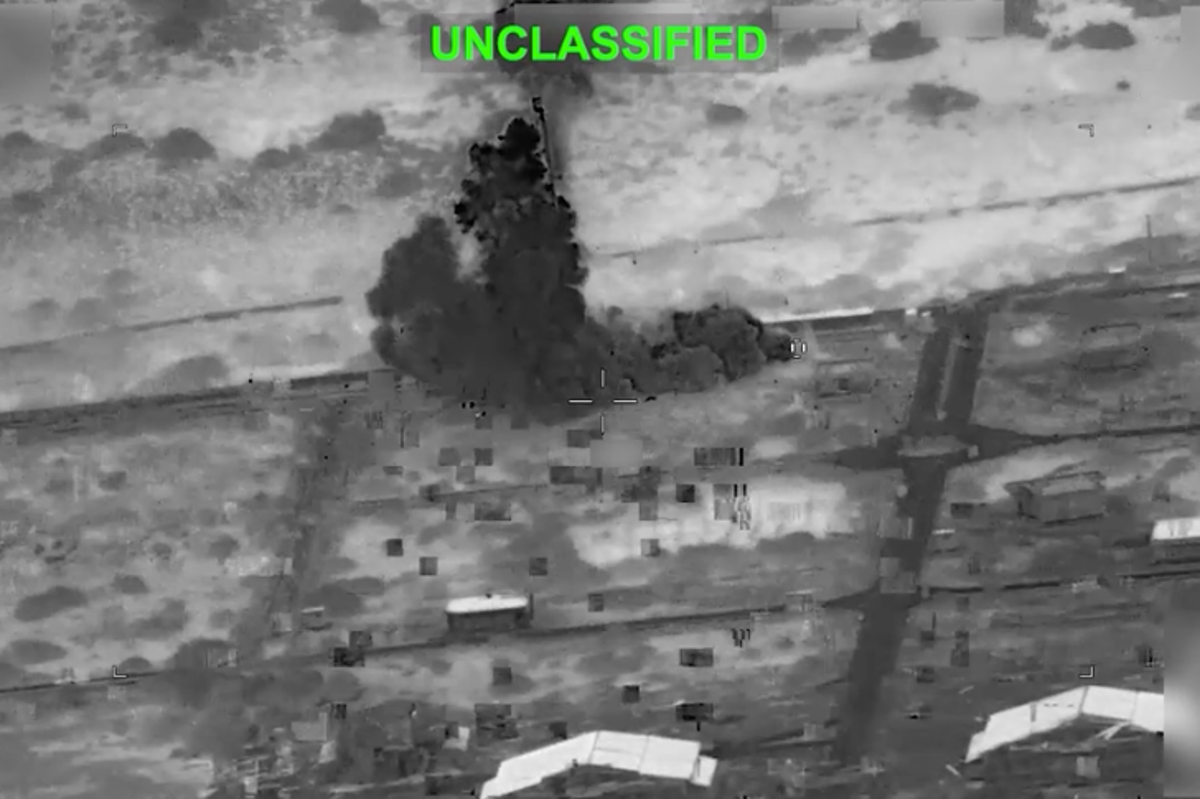
The television in the corner of the crowded diner hums with the familiar static of a breaking news alert. A ticker scrolls across the bottom of the screen, carrying words that feel heavy, almost breathless: Donald Trump claims he is "moving fast" on Iran. He asserts their military is "destroyed."
Inside the diner, a man named Marcus stares at his coffee cup. Marcus spent two tours in the Persian Gulf. He knows what the desert smells like just before a storm hits—a mix of dry dust and ozone. To the commentators on the screen, "moving fast" is a tactical phrase, a chess move analyzed on a digital map with neat red and blue arrows. To Marcus, and to millions of families across the globe, those words sound like the low rumble of an oncoming train. Discover more on a connected subject: this related article.
Geopolitics has a way of stripping the humanity out of human conflict. We talk about nations as if they are singular, sentient beings. Iran did this. The United States replied with that. But nations are composed of people, and the rhetoric of rapid destruction ignores the messy, unpredictable reality of modern warfare. The claim that an adversary’s military capability can be instantly erased by executive decree is an old illusion, one that history routinely shatters.
The Mirage of the Empty Battlefield
Consider the math of modern conflict. When a leader claims a rival's military is destroyed, the statement is rarely meant literally. It is a psychological lever. It is designed to project absolute dominance and deter further aggression. Further journalism by The New York Times explores comparable views on this issue.
But wars are not won on paper, and militaries do not simply vanish.
Iran's military architecture is not built around a centralized, easily targetable hub. It is a distributed network. Decades of heavy international sanctions forced Tehran to adapt, moving away from conventional, expensive hardware like modern fighter jets and toward asymmetrical warfare. They invested heavily in ballistic missiles, low-cost drones, and a vast web of regional proxy groups.
Think of it as a cybersecurity problem rather than a traditional battle. You cannot destroy a decentralized network with a single blow. When one node goes dark, three others activate. The assumption that a quick strike can neutralize such a system is a dangerous miscalculation. It overlooks the infrastructure hidden beneath mountains and scattered across thousands of miles of varied terrain.
The rhetoric of speed suggests a clean, surgical operation. History whispers a different story.
Every major conflict of the last century began with the promise of swift resolution. The planners always promise the troops will be home by Christmas, or that the enemy will capitulate within weeks. What follows instead is the slow, grinding reality of attrition. The invisible stakes of this rhetoric involve the normalization of conflict, making the choice to escalate seem low-risk and high-reward.
The Human Cost of High-Stakes Rhetoric
Behind the bluster of political speeches lies a quiet anxiety that stretches from Washington to Tehran.
Imagine a family in Shiraz, checking their phones with the same knot in their stomachs that Marcus feels in the diner. They are not politicians or generals. They are teachers, mechanics, and students trying to pass their exams. When the rhetoric escalates, the currency drops. Prices at the grocery store spike. The future becomes a fog.
This is the psychological toll of brinkmanship. It creates a state of perpetual emergency where long-term planning becomes impossible. Business owners stop investing. Parents hoard dry goods. The fabric of daily life begins to fray long before the first missile is ever launched.
The danger of declaring an enemy "destroyed" is that it leaves very little room for diplomacy. If the adversary is already defeated, why negotiate? If the leader is moving fast, why pause for dialogue? It traps both sides in a corner. To save face domestically, the accused nation feels compelled to prove it is not destroyed, often through a show of force or a provocative countermeasure.
This creates a feedback loop. Action provokes reaction, and the speed of the escalation begins to outpace the ability of diplomats to communicate.
The Friction of Reality
Carl von Clausewitz, the Prussian military theorist, coined the term "friction" to describe the myriad of small, unpredictable factors that make even the simplest military operations incredibly difficult in practice. Weather changes. Communications fail. Orders are misunderstood.
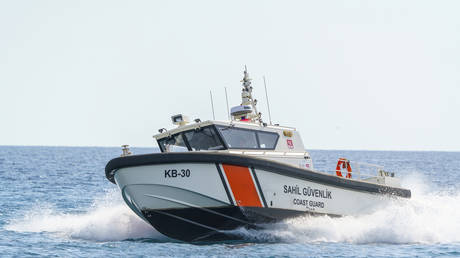
In the Persian Gulf, this friction is amplified a hundredfold. The Strait of Hormuz is a narrow, choked waterway through which a massive percentage of the world's oil passes. A single miscalculation—a naval commander misinterpreting the movement of a patrol boat, a drone drifting off course—can trigger a chain reaction that no one intended and no one can easily stop.
The economic fallout alone would ripple across the globe within hours. Gas prices would surge. Shipping insurance rates would skyrocket. The interconnected nature of the global economy means that a conflict in the Middle East is never contained to the Middle East. It sits on the dinner table of every family trying to balance a household budget.
But the most profound friction is human.
It is found in the decisions of young men and women who carry the weight of these policies on their shoulders. When leaders speak of moving fast, the burden of that speed falls on the logistics chains, the maintenance crews, and the infantry. It translates into sleepless nights, strained families, and the sudden, violent disruption of young lives.
Beyond the Ticker Tape
The news cycle moves on quickly. By tomorrow, the headlines will feature a new quote, a fresh accusation, or a different crisis. The digital tickers will keep scrolling, turning the complex reality of human survival into a stream of consumable data points.
But the underlying reality remains unchanged.
Strength is not always demonstrated by the speed of an advance or the volume of a threat. True strategic depth lies in the patience required to avoid an unnecessary crisis and the wisdom to recognize that an adversary is never as weak—or as easily defeated—as a political speech implies.
Marcus finishes his coffee and leaves a few crumpled bills on the counter. Outside, the morning sun is bright, cutting through the early fog. The world is loud, busy, and oblivious to the quiet tension holding its breath across the ocean. The true test of leadership is not how fast a country can move toward conflict, but whether it possesses the steady hand required to steer the world away from the edge.