The air inside a tactical operations center does not circulate well. It smells of stale drip coffee, scorched electronics, and the quiet, metallic tang of collective anxiety. When the alert came through, it wasn't a cinematic blast of sirens. It was a low, persistent chime from a workstation in the corner.
Two names. Two files status-changed from active to deceased.
Somewhere in the American heartland, two porch lights are burning into the dawn. The families don't know yet. They are still sleeping, dreaming of normal things—mortgages, weekend barbecues, oil changes. But in the desert expanse stretching across the Iraq-Syria border, the trajectory of their lives changed in a microsecond. An Iranian-backed drone strike had found its mark. The response was already written in the stars, or more accurately, in the grim calculus of Washington's escalation ladders.
We have a habit of consuming geopolitical conflict as a series of scoreboards. We read the tickers on the bottom of our screens. We glance at the push notifications while waiting for our morning toast. US renews strikes on Iran. Two casualties. We process the data, nod at the inevitability of it all, and swipe the notification away.
But war is not a scoreboard. It is a slow, grinding machine fueled by human skin.
The Mathematics of Retaliation
Consider a hypothetical sergeant we will call Miller. Miller isn't a policy expert. He doesn't read white papers from think tanks. He cleans the dust out of generator air filters and listens to country music through one headphone so he can still hear if a mortar alarm trips. When a base takes fire, Miller isn't thinking about the Strait of Hormuz or uranium enrichment percentages. He is thinking about the structural integrity of sandbags and whether his buddy in the next bunker has a tourniquet ready.
When Miller, or someone exactly like him, dies, the machinery of statecraft shifts gears.
The Pentagon does not operate on emotion, though it often uses the language of resolve. It operates on a ledger. For every action, there must be a mathematically calibrated reaction designed to signal strength without accidentally triggering a total conflagration. The planners call it proportional response. It sounds clean. It sounds like something you could map out on a whiteboard during a Tuesday morning briefing.
But when the orders come down to spin up the strike packages, the clean lines blur. The pilots climbing into the cockpits of F-15Es at an undisclosed location in the region aren't thinking about proportional response. They are checking oxygen lines. They are cross-referencing coordinates that point to ammunition depots, command nodes, and logistics hubs hidden in the jagged hills of eastern Syria or western Iran.
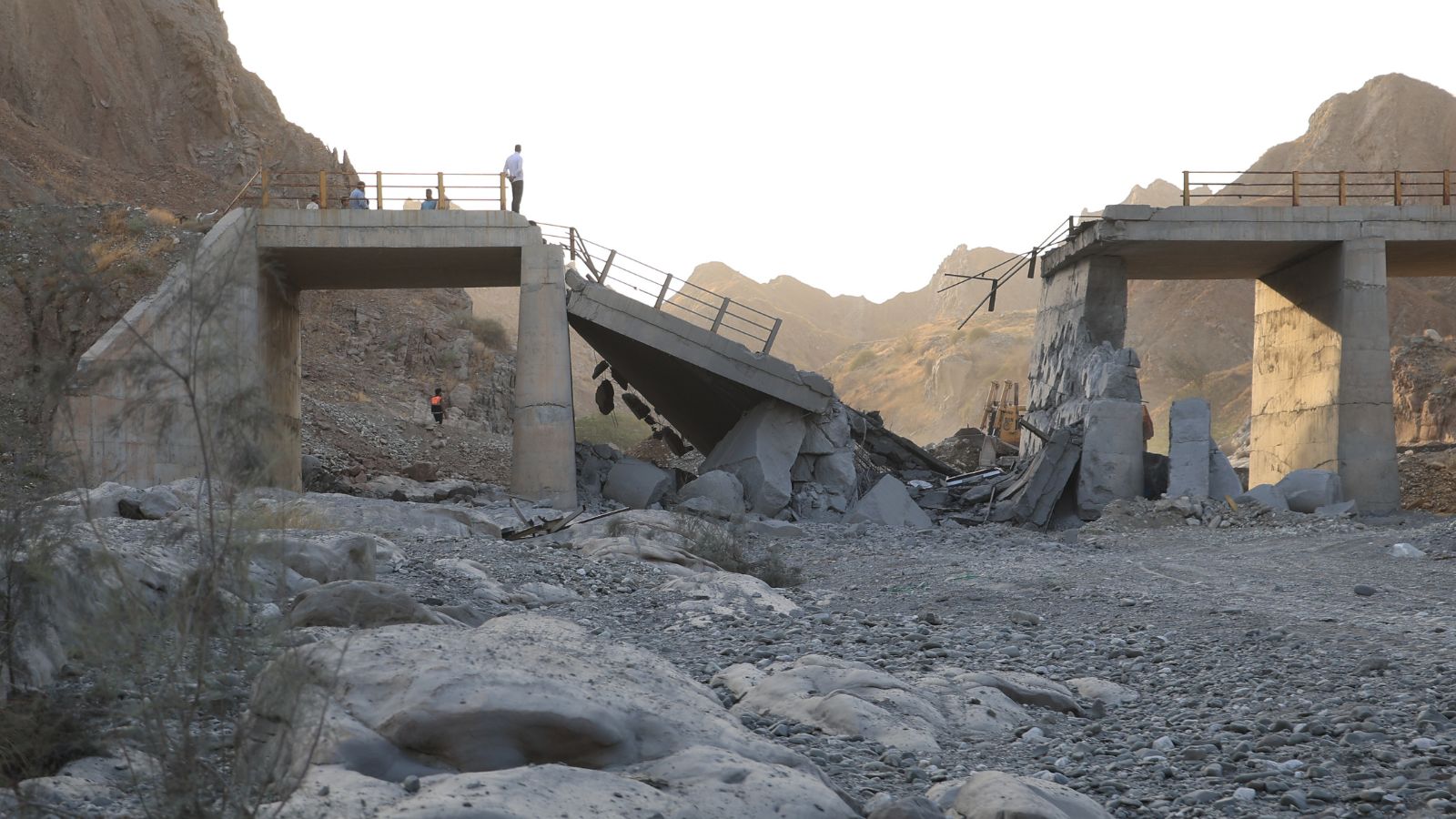
The targets are hit. The explosions illuminate the desert floor on infrared cameras thousands of miles away. The reports will later claim that the capabilities of the hostile groups were significantly degraded.
Then everyone waits for the next chime.
The Invisible String
The tension between Washington and Tehran is often described as a chess match. That is an insult to chess. Chess has rules, visible pieces, and a clear board. This is more like two blindfolded men standing in a room full of dynamite, swinging baseball bats and hoping they only hit the other guy's shoulder.
Every strike carries the weight of history, a heavy anchor dragging through decades of grievances. The current cycle feels modern—defined by loitering munitions, cyber operations, and satellite intelligence—but the emotional architecture is ancient. It is the logic of the feud. You struck us, so we must strike you harder to convince you not to strike us again.
Except it rarely convinces anyone. It merely resets the timer.
The people who pay the immediate price for this logic are rarely the ones who design it. They are the young men and women stationed at remote outposts with names that sound like oil fields or ancient ruins. They live in a state of suspended animation. They watch movies on laptops, write letters they might not send, and stare at the horizon where the heat shimmer makes everything look unstable.
The uncertainty is the worst part. You can adapt to danger. You can get used to wearing body armor until it feels like a second skin. What you cannot get used to is the waiting. The knowledge that someone a hundred miles away, whom you will never see, has decided that your specific patch of dirt is the next logical coordinate for a message.
The View from the Capital
In Washington, the language changes. The visceral reality of a missile strike is translated into the sterile vernacular of international relations. Deterrence. Red lines. Kinetic options.
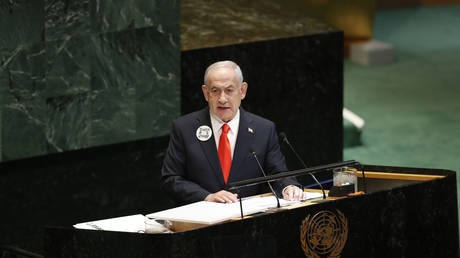
Officials take to the podiums to explain the strategic necessity of the counter-strikes. They speak with a practiced calmness, designed to reassure a public that is largely disconnected from the realities of the long-term deployment. They argue that to do nothing would invite further aggression, that weakness is a luxury the nation cannot afford in a region primed for explosion.
They are not wrong in their assessment of the risks. The international system relies on credible commitments. If an adversary believes they can target military personnel with impunity, the entire framework of security begins to fray. The logic is sound. The policy is defensible.
But the cost remains denominated in blood.
The tragedy of the situation lies in its predictability. Everyone involved knows the script. The attack happens. The condemnation follows. The target list is reviewed. The ordnance is delivered. The statements are issued. The cycle rests, briefly, until the next spark catches.
The Light Under the Door
We tend to look away from the human cost because looking too closely is exhausting. It forces us to confront the limits of our own power and the deep flaws in the systems we have built to keep the peace. It is easier to focus on the hardware—the capabilities of the Tomahawk missile, the payload of the drone, the strategic significance of a specific valley.
But if you want to understand the true nature of what is happening in the Middle East right now, you have to look past the hardware.
You have to look at the family readiness officer walking up a concrete driveway in the early morning fog. You have to look at the Iranian villager living near a military facility, wondering if the next sonic boom is a training exercise or the end of their world. You have to look at the junior officer in the Pentagon who hasn't slept in thirty-six hours, staring at a screen filled with green and red dots, trying to ensure that the next retaliatory strike doesn't accidentally cross a line from which there is no return.
The headlines will continue to update. The numbers will change. The names of the bases will rotate through the news cycle like seasonal weather patterns.
Far from the air-conditioned briefing rooms, a mechanic on a flight line attaches a yellow strap to a piece of precision ordnance. His hands are greasy. His back aches. He doesn't know if this particular bomb will end a conflict or start a larger one. He just knows his shift ends in two hours, and he wants to call his mother before she goes to sleep.