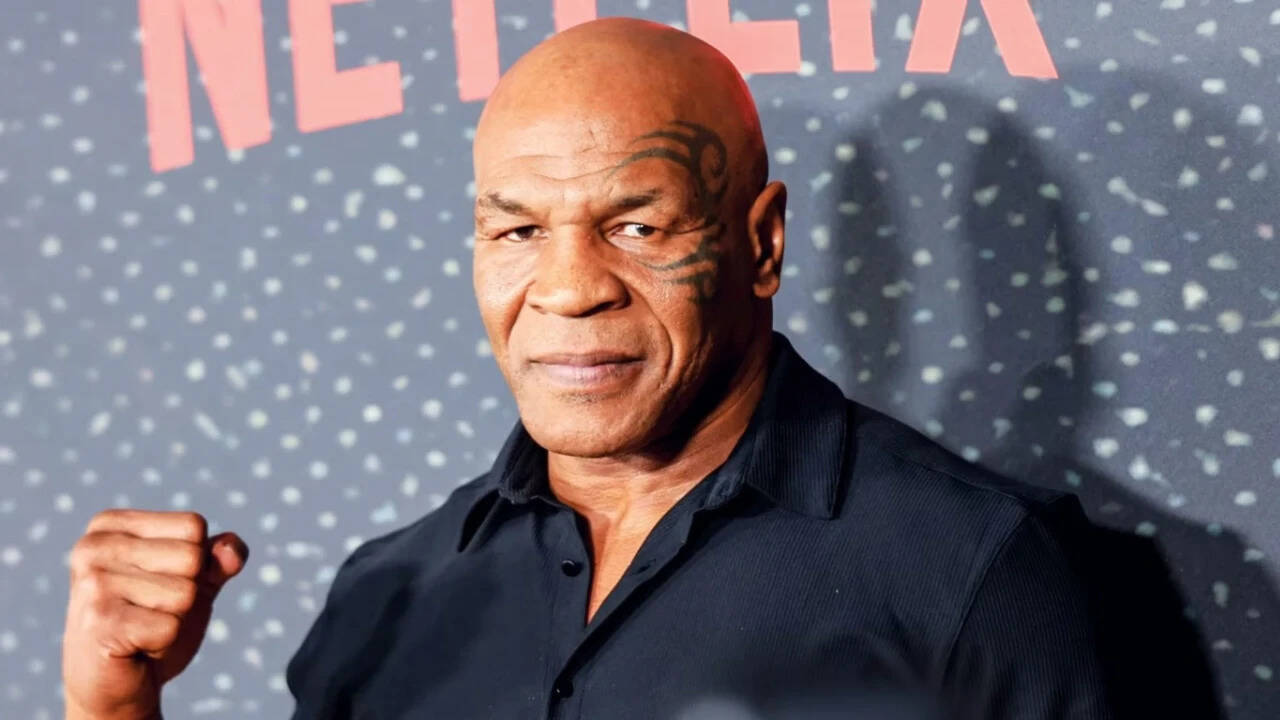
Mike Tyson did not stumble from a $400 million boxing windfall into bankruptcy and then magically rebuild a luxury fragrance empire overnight. The real story behind headlines claiming his perfumes are worth $50,000 sits at the intersection of predatory sports representation, post-bankruptcy intellectual property licensing, and the high-margin economics of celebrity fragrances. When a boxer who earned hundreds of millions of dollars ends up in Chapter 11, the collapse rarely comes down to a single bad purchase. It happens when fixed overhead, aggressive tax obligations, and misaligned advisors outpace even historic fight purses.
Watching Tyson pivot from ring destruction to consumer branding reveals a sharper lesson about modern fame. Raw athletic dominance buys fame for a decade. Ownership of a recognizable name, paired with disciplined licensing structures, can monetize attention long after the punches stop landing.
The Anatomy of a Four Hundred Million Dollar Evaporation
Money leaves a fighter's account faster than promoters admit. During his peak run in the late 1980s and 1990s, Tyson generated massive gross revenues from pay-per-view television, live gates, endorsements, and video games. Gross figures, however, are not net wealth. Promoters, managers, trainers, sanctioning bodies, legal teams, and federal and state tax collectors all take slices before the athlete ever sees a dime.
Bankruptcy court filings from 2003 laid bare how severe the drain had become. Tyson owed tens of millions of dollars to creditors and tax authorities while maintaining a sprawling lifestyle that treated peak income as permanent. Luxury vehicles, exotic pets, palatial estates, and an entourage of hangers-on created recurring cash burn that continued even during periods of suspension, incarceration, or declining performance.
In prize fighting, a single loss or suspension can halt cash flow while fixed expenses keep compounding every month.
Consider a hypothetical example of how an athlete's balance sheet tips into distress. Suppose a fighter earns $30 million in a single year and keeps $15 million after taxes and fight-camp deductions. If annual living costs, homes, security, and support for extended circles reach $18 million, the fighter runs a $3 million structural deficit even while winning. Multiply that gap across several years with poor accounting controls, and insolvency becomes a mathematical certainty rather than a surprise.
Tyson's collapse also exposed a structural flaw in how young combat athletes are advised. Rising stars often rely on inner circles whose incentives align with short-term spending rather than long-term capital preservation. By the time he filed for bankruptcy in August 2003, the gap between past earnings and present liabilities had become insurmountable.
Why Perfumes Carry Such High Margins
At first glance, linking a heavyweight bruiser with fragrances sounds like a punchline. In the business of consumer goods, though, scent is one of the most lucrative categories an athlete or celebrity can enter. A 100-milliliter bottle of fragrance sells at retail for a steep markup over the cost of the glass flacon, packaging, alcohol base, and aromatic oils.
Manufacturing costs for mass-market and accessible prestige fragrances typically represent a small fraction of the retail price tag. The real expense in fragrances is rarely the liquid inside the bottle. It is brand equity, retail placement, marketing muscle, and distribution.
When headlines attach a figure like $50,000 to Tyson's perfume line, readers often conflate different financial metrics. A number like that might reflect a specific inventory valuation, a wholesale batch order, an estimated asset slice, or a single commercial milestone rather than a full corporate valuation. Treating a narrow figure as the total worth of an entire brand distorts how consumer businesses actually operate.
Even so, the underlying unit economics explain why licensing agents love scent. Fragrance does not require complex sizing like apparel, heavy shipping like gym equipment, or strict cold-chain logistics like food and beverages. It is compact, shelf-stable, giftable, and built around emotion and identity.
| Business Factor | Boxing Purse Model | Celebrity Fragrance Model |
|---|---|---|
| Revenue Timing | Lumpy event-based payouts | Ongoing retail and wholesale orders |
| Physical Risk | High injury and career-ending risk | Zero physical toll on the founder |
| Cost Structure | Heavy camp, legal, and sanctioning fees | Low unit manufacturing cost, high marketing need |
| Longevity | Tied to peak athletic window | Tied to cultural relevance and distribution |
Licensing vs. Building From Scratch
Bankruptcy forced Tyson to confront a basic question every post-athletic brand faces. Should he fund inventory and operations out of pocket, or license his name and likeness to partners who already know how to manufacture and distribute goods?
For a formerly bankrupt celebrity, pure licensing often beats self-funding. Building a consumer product company from scratch requires working capital for raw materials, compliance testing, warehousing, retail slotting fees, and unpaid invoices that can take 60 to 90 days to clear. A miscalculation on inventory can trap cash in unsold boxes.
Under a licensing arrangement, a third-party manufacturer or distributor handles production, logistics, and retail relationships in exchange for royalty payments or guaranteed minimums. The celebrity contributes name recognition, promotional appearances, and brand approval. When structured cleanly, this model protects the talent from operational disasters and heavy balance-sheet risk.
The catch is control and margin sharing. A licensor rarely captures 100 percent of the profit pool because the operating partner takes the execution risk and retail cut. Worse, putting a famous name on a weak product can erode reputation if the partner cuts corners on quality or overextends the brand into too many categories at once.
Tyson's broader post-bankruptcy arc shows a gradual shift from chaotic dealmaking toward more disciplined commercial partnerships. Whether through cannabis ventures, media appearances, exhibition matchups, or consumer goods, his commercial value now rests on controlled monetization rather than chasing every check in sight.
The Gray Areas of Celebrity Valuation Numbers
Anyone covering sports and consumer brands learns to read valuation claims with healthy skepticism. Numbers thrown around in entertainment and business media frequently mix gross sales, projected revenue, inventory value, and equity estimates without explaining the accounting basis.
A $50,000 figure attached to a perfume line could mean several very different things in practice:
- Wholesale inventory value held by a distributor or retailer at a specific snapshot in time.
- Minimum guarantee or royalty tranche tied to a licensing agreement or seasonal run.
- Estimated liquidation or book value of stock rather than enterprise value.
None of those meanings is a reason to dismiss the strategy behind the product. Even modest commercial lines matter when they test demand, keep a brand visible between major media moments, and build relationships with retail buyers. A fragrance line does not need to rival legacy perfume houses on day one to serve a clear strategic purpose in a broader portfolio.
Skeptics are also right to question whether every celebrity fragrance has staying power. Plenty of famous names lend their faces to fragrances that spike around a holiday season or a media cycle and then fade from store shelves. Long-term durability depends on repeat purchase rates, scent appeal beyond hardcore fans, and whether the brand feels authentic to the person behind it.
With Tyson, the contrast itself is part of the hook. Hyper-masculine combat fame juxtaposed with a grooming or fragrance product creates curiosity value. Curiosity gets shoppers to pick up the bottle once. Repeat buyers only show up if the product delivers on its own merits.
What Athletes and Founders Can Actually Learn
The real takeaway from Tyson's financial rollercoaster is not that anyone can lose $400 million and bounce back with a bottle of cologne. Most people do not have a heavyweight championship belt to fall back on, and few command global recognition across generations.
The practical lesson is about financial guardrails and asset durability. High gross income without expense discipline is an illusion, not security. Any high earner—whether a pro athlete, a founder after a windfall, or a creator during a viral surge—faces the same danger when recurring commitments scale up to match peak months.
Protecting intellectual property and keeping balance-sheet risk proportional to verified cash flow gives a person room to rebuild if a primary career stalls. Licensing to capable operators can unlock high-margin categories without gambling personal savings on factory runs.
When Tyson stepped into the ring for high-profile exhibition spectacles years after his bankruptcy, he proved that cultural memory still packs a punch. Pairing that enduring attention with lower-risk commercial plays like fragrances shows how a battered brand can keep finding new shelf life—provided the arithmetic behind the scenes finally makes sense.



