A camera phone clicks inside a kitchen that doesn't belong to the person holding it. In a video circulating widely online, uniform-clad troops are seen preparing food, laughing, and relaxing inside a home left behind by a Lebanese family fleeing the crossfire in southern Lebanon. It isn't an isolated incident. Across various platforms, footage of combatants filming themselves inside evacuated civilian spaces has shifted from rare leaks to a frequent feature of digital wartime communication.
This behavior gets straight to the point of how modern warfare plays out on our screens. War isn't just fought with kinetic weapons anymore. It's fought in the palms of our hands, curated by the people on the ground. When troops film themselves occupying private residences, they aren't just communicating with their friends back home. They are broadcasting a complex mix of dark humor, psychological dominance, and the raw, unedited reality of military occupation directly to the public.
The Reality of Virtual Occupation
Seeing the inside of a family's abandoned home used as a temporary military post hits a specific nerve. For displaced families watching from shelters or neighboring towns, these viral clips are incredibly jarring. Home is the ultimate private space. Seeing strangers cook in your kitchen or sleep on your couches brings the reality of displacement home in a brutal way.
Human rights organizations like Human Rights Watch have frequently pointed out that the occupation and destruction of civilian property during military operations raise serious legal questions under international humanitarian law. While militaries often state that civilian homes are utilized because adversary forces like Hezbollah embed themselves in residential infrastructure, the casual recording of these occupations complicates the official narrative. It shifts the perception from a necessary tactical operation to something that looks like celebrating a victory at the expense of civilians.
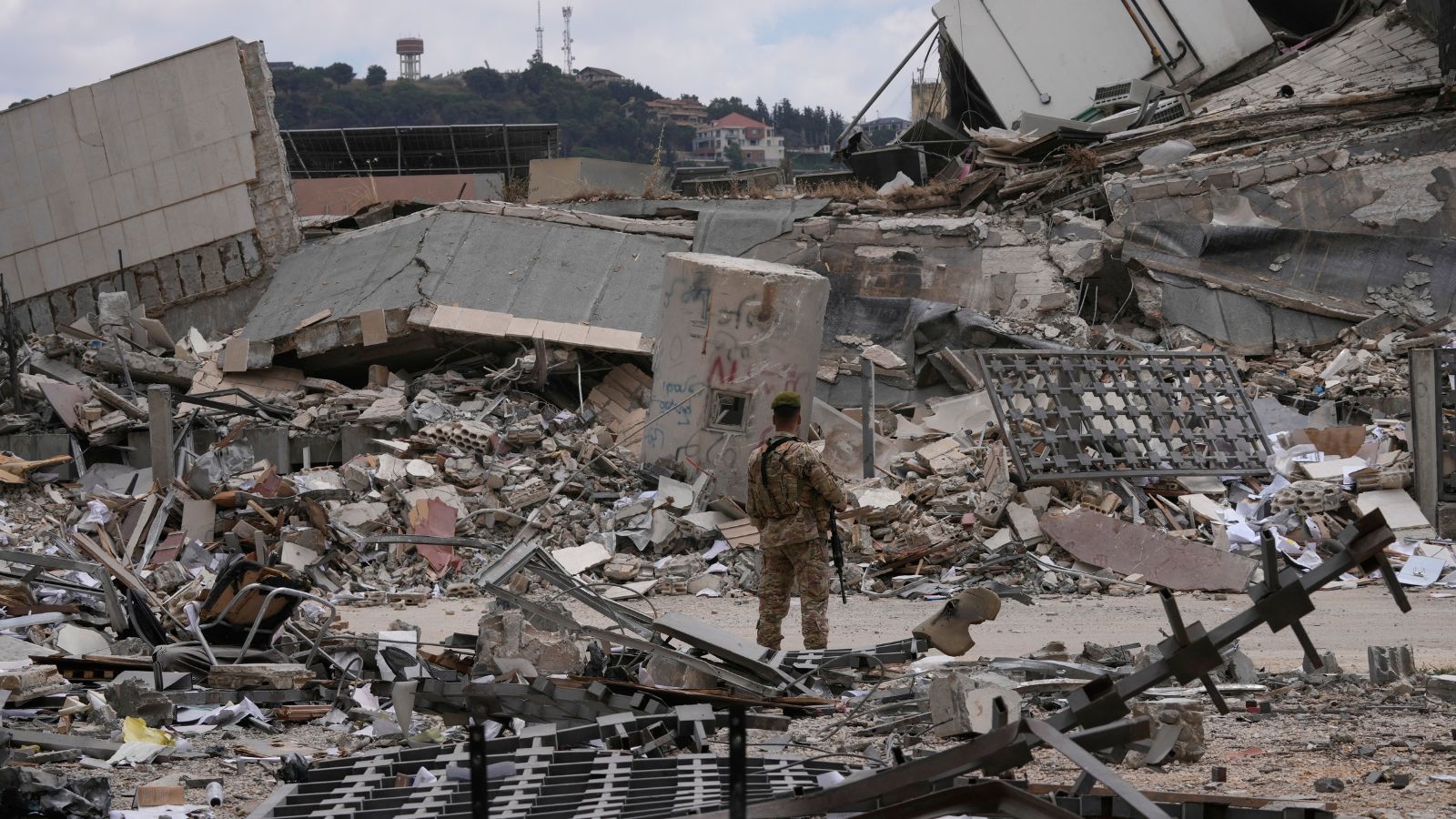
The strategic landscape in southern Lebanon has grown increasingly tense since the ground operations expanded. Troops have established control zones stretching deep into border territories. As civilian populations are ordered to evacuate, empty towns become the front lines. The personal items left behind—photos, toys, furniture—become the backdrop for viral social media content.
Why Troops Post on Social Media
To understand why this happens, you have to look at the psychological reality of combat zones. Troops are often young, hyper-connected, and operating under extreme stress. Humor and casual behavior are common coping mechanisms used to handle the constant threat of violence. When a unit takes over a structure for shelter, treating it like a normal apartment can be a way to grasp for normalcy.
However, the impact of these videos goes far beyond the intention of the person hitting the record button.
- Psychological Warfare: For the opposing side, seeing enemy forces comfortable in captured territory signals a loss of control.
- Domestic Morale: Back home, these clips are sometimes viewed as a sign of progress or safety for the troops involved.
- Global Backlash: To international audiences, the casual nature of the footage often looks insensitive or cruel, damaging the official messaging of the military.
Commanders have struggled to regulate this behavior. Most modern armed forces have strict rules regarding operational security and the use of personal devices on the battlefield. Revealing positions through video metadata or recognizable landmarks is a massive security risk. Yet, the urge to document life on the front lines frequently overrides official regulations.
The Broader Trend of Battlefield Content
This isn't unique to one specific military unit or conflict. We saw it in Ukraine, where soldiers on both sides shared TikTok videos from trenches and abandoned buildings. We see it in Gaza, and now we see it in the hills of southern Lebanon. The smartphone has democratized wartime documentation, taking the narrative away from official press offices and embedded journalists.
When a video emerges of a building being remotely detonated—as occurred in the border village of Kfar Kila, where an operation was filmed and dedicated on social media to a fallen comrade—it shows a direct link between personal grief and tactical destruction. The lines between military action, personal tribute, and public broadcast are completely gone.
For the international community, the constant stream of raw footage means there's no lag time between an event occurring and the public reacting to it. This leaves little room for diplomatic nuance. The visual evidence of a family's displaced life being treated as a casual backdrop remains online forever, shaping public opinion long after the geopolitical goals of an operation are decided.
The immediate step for anyone consuming this content is to look past the initial emotional reaction. Verify the source, understand the tactical context of the area, and recognize that every piece of media coming out of a conflict zone serves a purpose in the broader information war.
Israeli troops reacting to demolitions in southern Lebanon
This footage demonstrates exactly how modern operations are recorded on the ground, showing the direct intersection of personal mobile media and active combat scenarios.