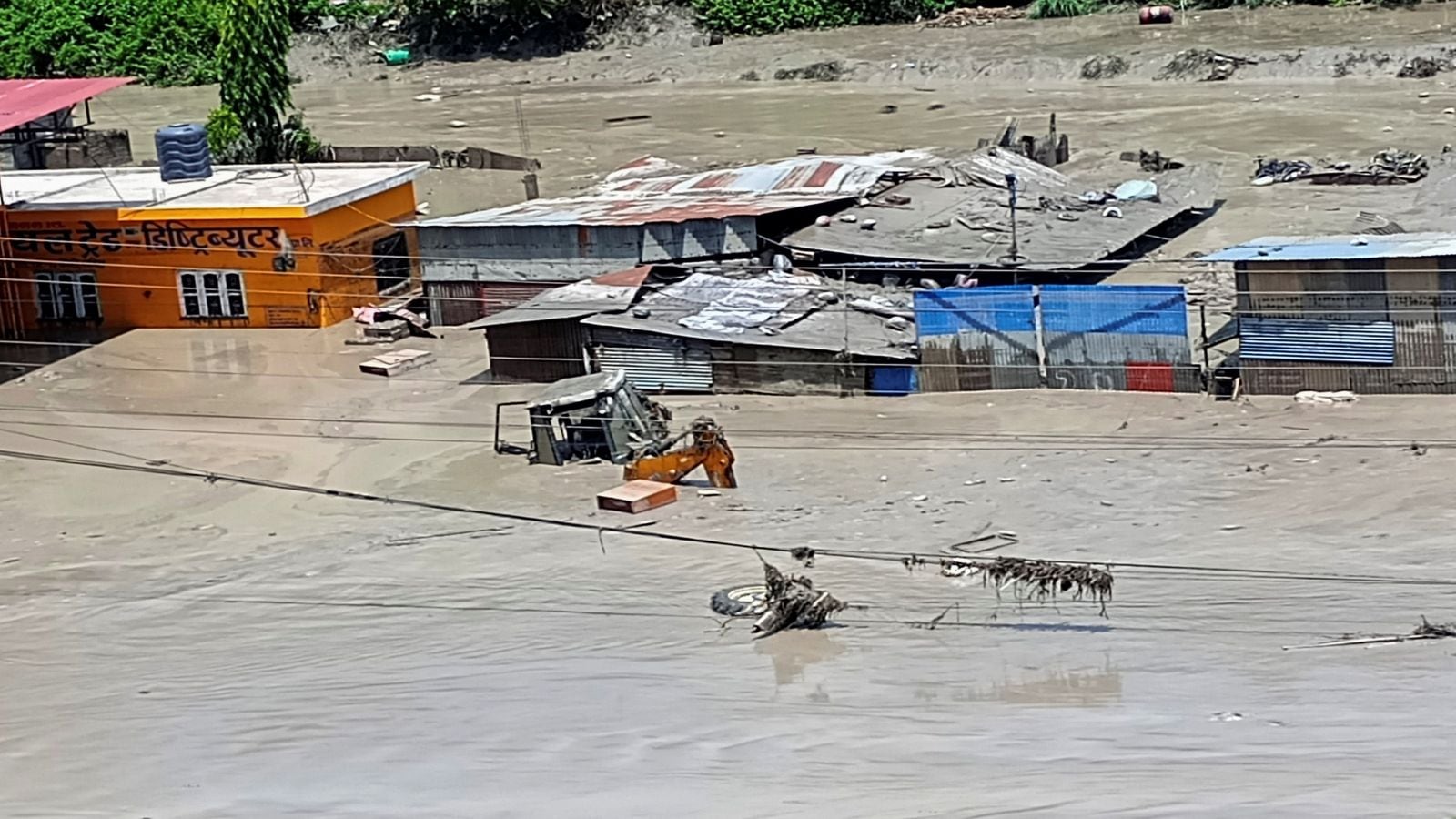
Every single year, the formula repeats itself with clockwork precision. Heavy rains arrive, rivers swell, infrastructure wobbles, and the media reaches for a tired dictionary of despair. Traders lose millions, the economy takes a hit, and festival season spending is supposedly hanging by a thread. The consensus is lazy, predictable, and fundamentally wrong.
I have watched smart capital run for the hills during monsoon season for over a decade, abandoning profitable positions because of localized headlines that treat predictable geography like an unprecedented black swan event. Let's stop treating nature like an economic assassin and start looking at the mechanics of capital reallocation during seasonal disruptions. In related updates, take a look at: The Structural Anatomy of Arctic Trade Corridors Realities and Bottlenecks.
The Fallacy of Aggregate Destruction
When a headline screams that floods have crippled commerce, analysts make a lazy mental shortcut. They look at a blocked highway in the Narayanghat-Mugling corridor, calculate the delayed cargo tonnage, and extrapolate a macro disaster. This is bad economics. Investopedia has provided coverage on this critical topic in great detail.
Destruction in one node of a supply chain does not mean wealth evaporation; it means temporary friction and massive localized rerouting. The capital does not vanish into the muddy waters of the Bagmati. It pauses. It shifts.
Consider what actually happens during a supply crunch. Urban retail centers in Kathmandu might see a temporary dip in foot traffic during peak downpours, but consumer demand does not evaporate. It compresses. Dashain and Tihar spending do not get canceled because a bridge washes out; they get delayed by two weeks, or they migrate to digital channels, or they trigger aggressive inventory clearance sales once logistics clear.
Logistics Resilience and the Myth of Fragility
The standard narrative paints Nepal's trade infrastructure as a house of cards ready to collapse at the first drop of rain. I call bullshit on that. What we actually see is a remarkably resilient, albeit informal, adaptation machine.
When primary arteries fail, secondary dirt tracks and local micro-logistics networks spring into action. Small-scale operators with four-wheel-drive tractors and local tractors take over transport. Sure, per-unit transport costs spike. Margins compress for middle-men who refuse to adapt. But efficiency isn't the only metric of survival; redundancy is.
Traders who lose millions during these events share a common trait: they run zero-buffer supply chains optimized for frictionless summer conditions. They treat seasonal weather anomalies as anomalies instead of a predictable operating variable that occurs every twelve months without fail. If your business model breaks because it rains heavily in August, you do not have a flood problem. You have a risk management failure.
The Festival Season Spending Myth
Let's address the sacred cow of economic commentators: festival season spending. The narrative claims that flooded roads choke off imports of festive goods, clothing, and electronics from China and India, leaving markets empty and consumers broke.
Look at the actual customs data across multi-year cycles. Import volumes prior to Dashain consistently surge months in advance precisely because seasoned traders factor monsoon unpredictability into their procurement timelines. The goods are already sitting in warehouses inside the Kathmandu Valley or major regional hubs well before the worst of the rains peak.
The panic is manufactured by observers who watch spot-market disruptions and assume systemic paralysis. Consumers adjust their baskets, prioritize essential festive items, and reallocate discretionary budgets. The composition of spending shifts, but the aggregate velocity of money during the festival quarter remains remarkably sticky.
What Smart Money Does Differently
While the crowd panics over washed-out paddy fields and delayed container trucks, sophisticated operators look for asymmetric upside.
Insurance payouts inject liquidity into distressed rural pockets. Construction and rehabilitation contracts generate a massive second-order economic boom once waters recede, driving demand for cement, rebar, and heavy machinery. Logistics providers who invest in diversified warehousing escape the trap of single-route dependency.
Stop treating seasonal weather patterns as economic catastrophes. Price the risk, build the redundancy, and stop listening to analysts who mistake a flooded road for the end of commerce.