The arithmetic of modern energy markets is punishingly simple. When fuel prices spike toward historic highs, political panic follows with the precision of clockwork. Washington faced this exact crisis in late 2026, when diesel prices soared past six dollars a gallon following regional disruptions in the Middle East. The administrative response was not a boost in domestic refining capacity or a hard-headed reassessment of domestic policy. Instead, it was a sudden diplomatic pivot toward Moscow.
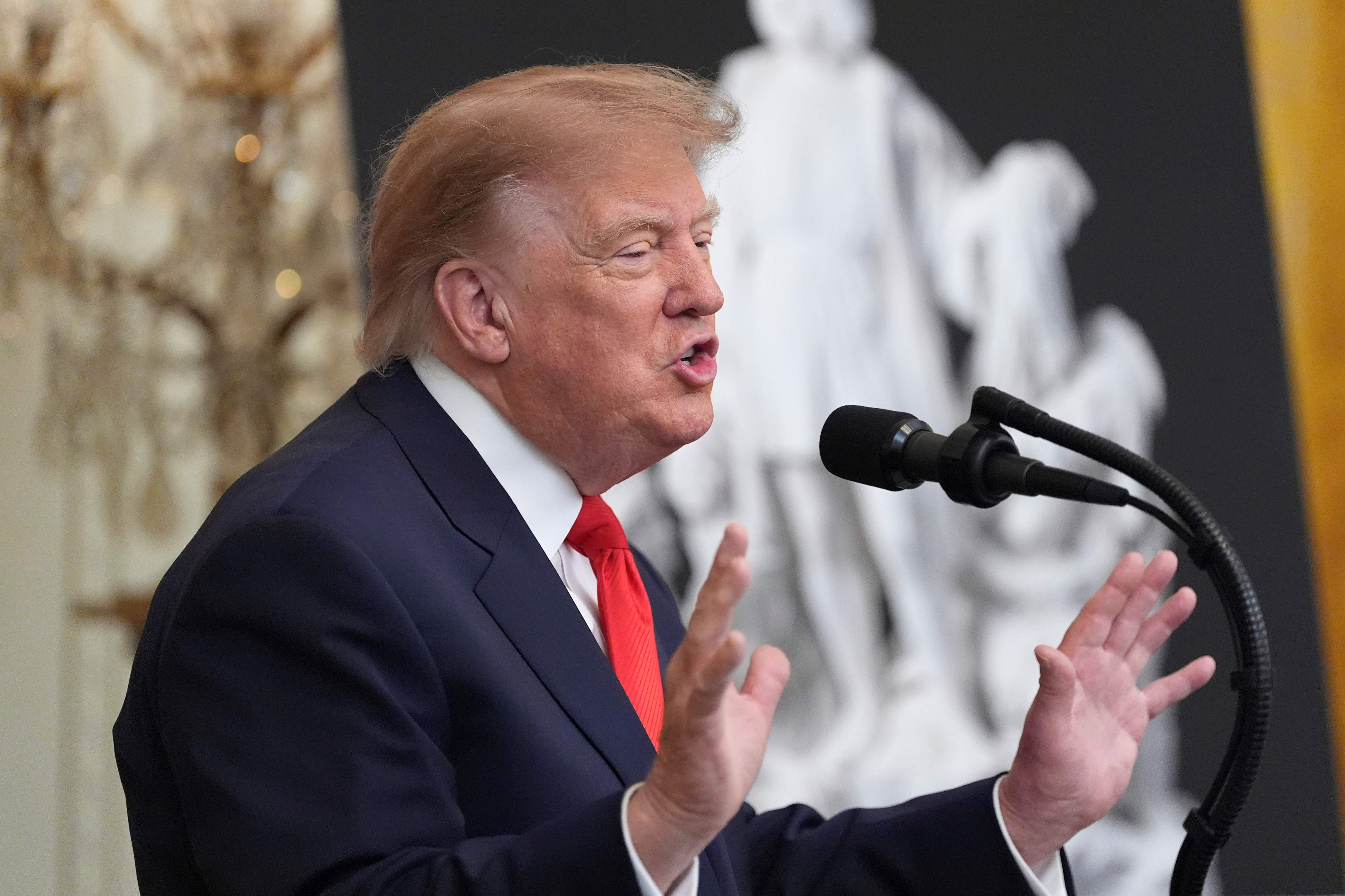
President Donald Trump announced a high-stakes agreement with Vladimir Putin, claiming that Russia would immediately dispatch hundreds of thousands of metric tons of diesel to the American and global marketplaces to suppress surging costs. To facilitate this sudden accommodation, the Treasury Department’s Office of Foreign Assets Control issued General License No. 135. This six-month waiver suspended restrictions that had previously barred Russian diesel imports under the sweeping sanctions regime constructed since 2022. Don't miss our previous post on this related article.
The stated objective was straightforward: flood the global market with supply and pull down prices for American consumers and businesses. The reality on the ground has proven to be an administrative and geopolitical misfire.
The Anatomy of a Miscalculated Accord
Strip away the political rhetoric, and the architecture of the diesel deal reveals fundamental flaws that industry analysts predicted from the outset. U.S. diesel prices had climbed aggressively over the course of the year, driven primarily by Middle Eastern transport bottlenecks and refining constraints. Yet the White House treated these symptoms by offering a financial lifeline to a sanctioned adversary. To read more about the context of this, Business Insider offers an excellent breakdown.
Under the terms of the October arrangement, Russia was slated to provide 300,000 tonnes immediately, followed by successive tranches totaling millions of tonnes. But energy markets do not operate on diplomatic handshakes alone. Traders and commercial fuel buyers operate within a landscape defined by legal exposure, compliance overhead, and reputational risk.
Not a single cargo of this sanctioned diesel made its way to American ports. Major commodity trading desks and domestic buyers quickly weighed the regulatory hazard. The 2022 Ending Importation of Russian Oil Act passed by Congress explicitly banned Russian energy products. State-level pushback was swift. Officials in states like New Jersey warned terminal operators that accepting these shipments could expose them to severe civil and criminal penalties, noting that executive licensing mechanisms could not simply override statutory law passed by the legislative branch.
Faced with the threat of litigation and secondary sanctions, domestic buyers backed away. The oil did not flow into the United States. Instead, Russian energy firms redirected those barrels onto alternative international routes, capturing higher profit margins as global supplies tightened.
Filling the Kremlin Coffers for Zero Return
The structural irony of the maneuver lies in its total failure to achieve domestic price relief while successfully handing Moscow a geopolitical victory. Data from the U.S. Energy Information Administration illustrates that American retail diesel prices remained stubbornly high after the announcement, hovering near peak averages with negligible movement.
Meanwhile, independent monitoring groups estimate that Russian energy exporters have moved billions of dollars worth of diesel under the relaxed enforcement window. By granting temporary sanctions relief and pressing Ukraine to pause strategic attacks on Russian oil refineries, Washington inadvertently stabilized the Kremlin's primary revenue engine. Russian crude production rebounded sharply, and global markets adjusted into a surplus driven by the very actors Western sanctions were designed to starve.
For European allies who spent years absorbing American lectures on the moral and strategic imperative of breaking free from Russian energy dependencies, the move felt like a profound betrayal. It signaled that Washington was willing to bypass its own legislative walls and discard transatlantic solidarity the moment domestic fuel pumps felt the pinch of inflation.
The Strategic Blind Spot
The deeper pathology exposed by this episode is a recurring American refusal to accept the long-term costs of geopolitical fragmentation. Energy independence cannot be switched on and off via executive waivers when short-term political cycles collide with physical commodity shortages.
When supply chains break down, looking for a quick fix from a geopolitical adversary inevitably compromises broader strategic leverage. The administration traded long-term deterrence for a temporary headline, only to find that the market machinery refused to cooperate with the decree. The diesel stayed out, the prices stayed high, and the Kremlin walked away with replenished reserves.
The policy failed because it ignored the friction of domestic law, the caution of private capital markets, and the permanence of strategic trust. Until Washington aligns its domestic energy strategies with coherent, enforceable long-term planning, it will remain vulnerable to the next market shock—reaching every time for a quick remedy that delivers nothing while strengthening its rivals.