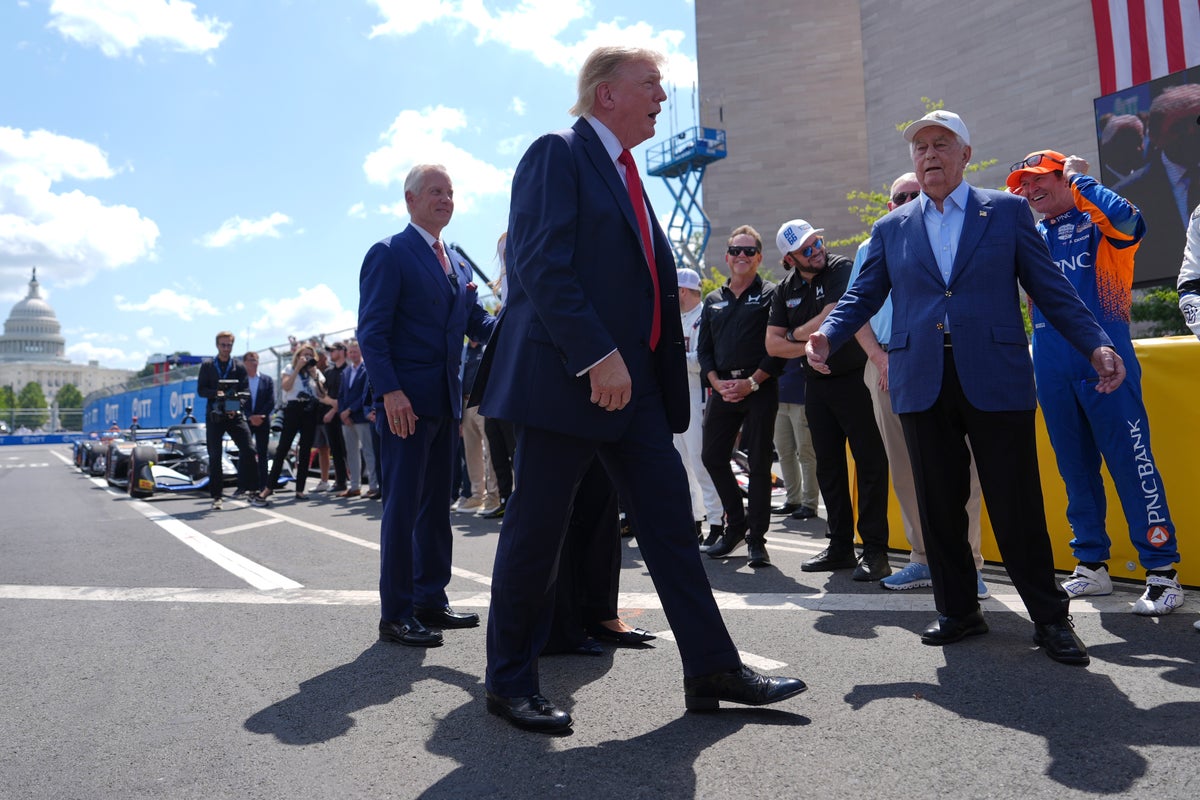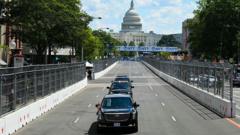
Street circuits in metropolitan environments require an intricate calibration of municipal disruption, physical safety architecture, and economic yield. When political figures engage with high-velocity motorsport events such as IndyCar deployments in civic centers, the underlying mechanics extend far beyond ceremonial flags or race-day pageantry. Temporary street racing infrastructure functions as an intense operational stress test for municipal engineering, traffic management systems, and commercial sponsorship pipelines.
The Operational Cost Function of Temporary Circuits
Constructing a temporary racing circuit inside an active urban grid introduces a distinct cost matrix. Unlike permanent road courses governed by isolated topography, urban tracks demand dynamic engineering interventions.
- Barrier Dynamics: Concrete safety walls and catch fencing must be integrated into existing street furniture without permanent structural alteration.
- Pavement Integrity: High-downforce open-wheel machines exert localized shear forces on asphalt, requiring targeted resurfacing of high-stress braking zones and apexes.
- Access Control: Maintaining emergency corridor viability for local hospitals and commercial logistics during build-out phases dictates a compressed timeline, usually restricted to nocturnal installation windows.
These variables create a steep financial threshold. Municipal authorities weigh direct event expenditures against projected economic velocity, hospitality tax capture, and global media exposure. The financial model relies heavily on private promoter capital sharing risk with municipal utility departments.
The Aerodynamic and Mechanical Demands of City Tracks
From a competitive standpoint, temporary circuits impose rigid constraints on race car setup. Street courses typically feature low-grip surfaces, ninety-degree intersections, and minimal runoff areas.
Teams must optimize mechanical grip over aerodynamic downforce. Suspension compliance becomes the primary determinant of lap time, as cars ride over manhole covers, painted crosswalks, and expansion joints. The margin for error is constrained by immovable concrete boundaries, shifting the competitive advantage from raw engine output to chassis predictability and driver precision.
Strategic Capital Allocation and Municipal Return
The integration of elite sport into civic spaces serves as a catalyst for urban renewal narratives. However, the return on investment depends on three variables: ticket yield, hospitality utilization, and out-of-market visitor expenditure.
When high-profile figures participate in the ceremonial opening of these events, the primary utility is signaling executive alignment with large-scale economic development projects. The longevity of urban racing initiatives is dictated by measurable civic disruption metrics balanced against long-term tourism metrics.
Prioritize multi-year infrastructure agreements that amortize temporary barrier costs across successive iterations to maximize long-term fiscal efficiency.