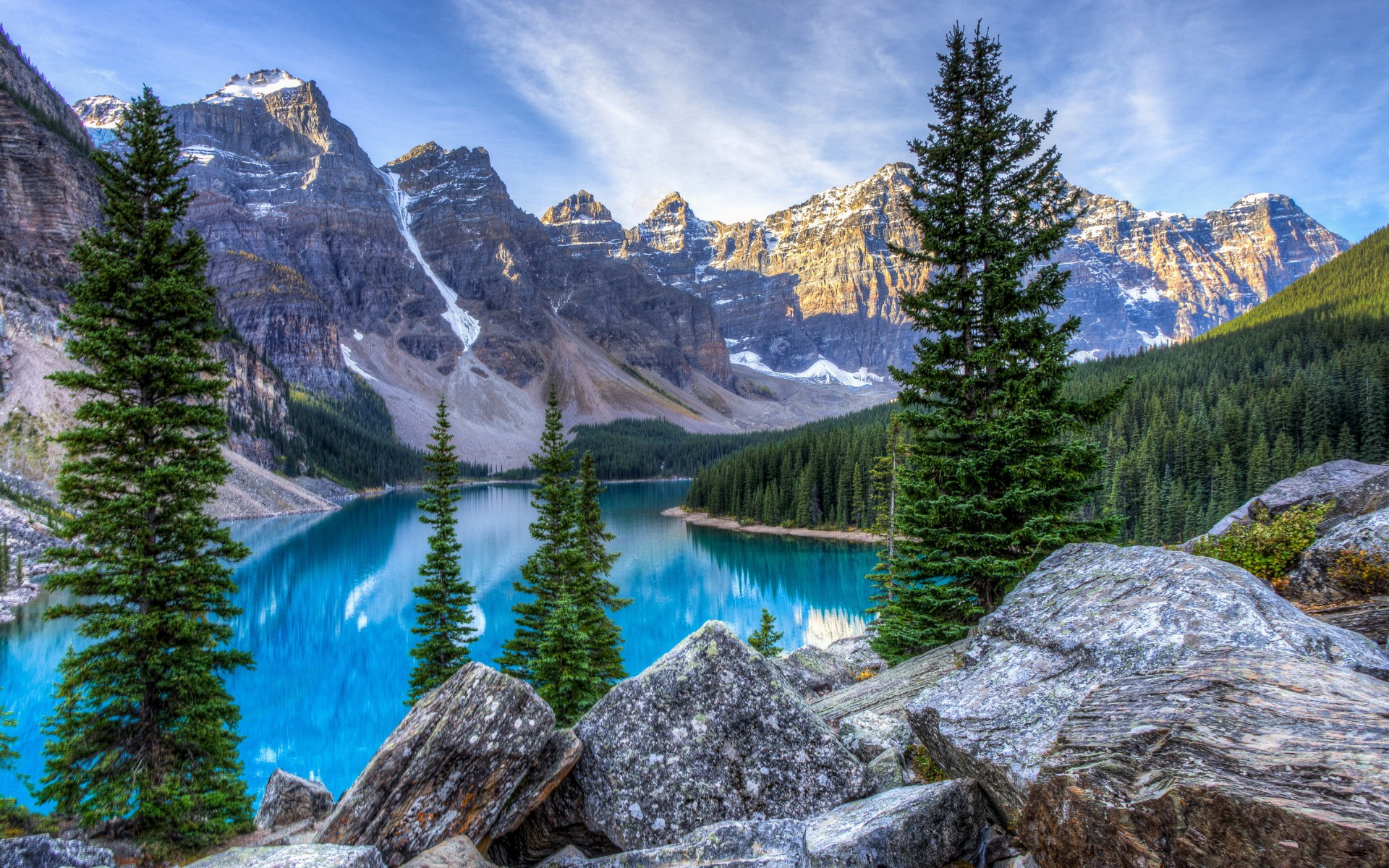
The air at four thousand meters does not merely fill your lungs; it demands an accounting. Every breath is thin, sharp, and cold enough to sting the back of your throat. For generations, travelers stepping out into the high-altitude crispness of the Tibet Autonomous Region felt a very specific brand of awe. They stood at the literal threshold of the Kailash Mansarovar Yatra, facing a landscape that seemed carved by ancient, indifferent hands. Mount Kailash rises like a colossal crystal cathedral, its black rock dusted with eternal snow, while Lake Mansarovar stretches nearby, a sheet of liquid turquoise reflecting the infinite blue of the Himalayan sky.
Then came the roar.
It did not announce itself with polite warnings. Mountain communities know the sound of a slope letting go, a sudden deep-throated growl that vibrates through the soles of your boots before your ears even register the violence. Tons of mud, rock, and slate broke free from the high ridges, cascading down with terrifying momentum. In a matter of minutes, a vital gateway for the sacred pilgrimage was erased. The road simply vanished, swallowed by a grey, churning soup of debris.
Two weeks later, the silence returned. But the scene left behind tells a haunting story about the fragility of human ambition when it collides with geological fury.
Consider a hypothetical traveler named Tenzin, standing on the edge of the newly formed scar. Tenzin is a local guide who has walked these mountain passes more times than he has birthdays. To him, the mudslide is not just a news headline or a logistical hurdle for tourists; it is a profound disruption of a living rhythm. When you look at the aftermath two weeks after the disaster, the immediate chaos has given way to a heavy, sobering stillness. Heavy machinery hums in the distance, tiny yellow ants against the titanic grey cliffs, attempting to carve a path through the hardened earth.
Progress here is measured in inches.
Earthmoving crews face an impossible physics problem. The soil is saturated, unstable, and perpetually threatening to slide again. When a mountain breaks, it does not heal overnight. It takes weeks just to stabilize the banks, months to clear the massive boulders that block the gorge, and years for the nervous system of local tourism and pilgrimage logistics to recover its pulse.
To understand why this specific gateway matters so deeply, you have to look beyond the maps. The Kailash Mansarovar Yatra is not a standard vacation. For thousands of pilgrims from India and across the globe, it is the journey of a lifetime—a grueling, soul-stirring circumambulation of a peak revered as the cosmic axis by multiple spiritual traditions. People spend decades saving money, applying for permits, and conditioning their bodies for the altitude, all to walk this sacred circuit. When the gateway collapses, dreams deferred for a lifetime suddenly hit a physical wall of mud.
The logistics are staggering. Transport links are severed. Supplies must be airlifted or hauled in through treacherous alternative routes. Local lodge owners, horse-handlers, and tea-house operators watch their primary source of income evaporate in real-time.
Yet, standing at the site two weeks later, you witness something else entirely. Resilience.
The human capacity to adapt in the face of natural disaster is as stubborn as the mountains themselves. Workers share thermals of butter tea in the biting wind, trading jokes to keep the dread at bay. Engineers stare at blueprints under flickering tent lights, recalculating load-bearing paths across shattered earth. Pilgrims stranded in nearby towns do not simply turn around in despair; many wait patiently, transforming their journey into an exercise of endurance and prayer.
We often talk about infrastructure as if it were permanent. We lay asphalt and pour concrete, assuming our dominance over the terrain is absolute. But the Himalayas remind us, with brutal efficiency, that we are merely guests camping on the slopes of giants.
The mudslide at the gateway was a stark reminder of that truth. It showed how quickly a lifeline can be cut. Yet the scene two weeks later—dust rising from heavy treads, workers hammering steel stakes into the hillside, the quiet determination of a community refusing to stay buried—reveals the rest of the story.
The mountain is unforgiving.
We keep climbing anyway.


-copy.jpeg?width=1200&auto=webp&trim=17%2C192%2C547%2C1)