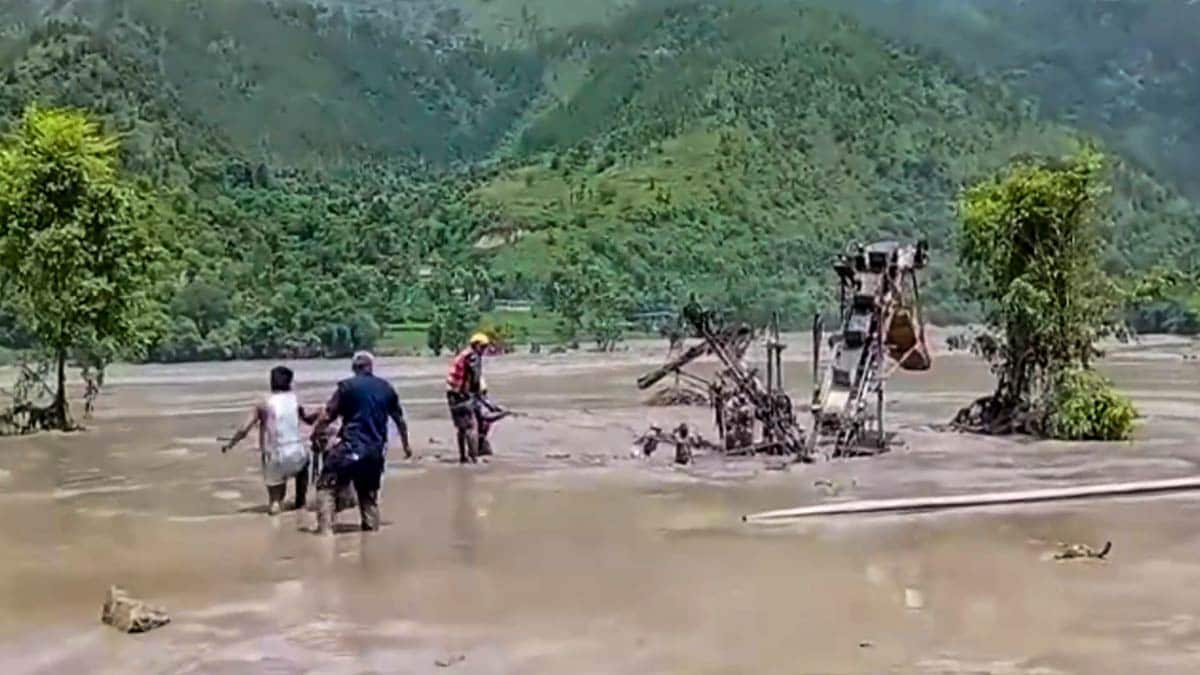
The phone line from Kathmandu does not ring with sound so much as it rings with gravity. On the other end, a kitchen in Illinois or a living room in Virginia holds its breath. Thousands of miles away, the Himalayas have shifted, turning ancient pilgrimage routes into choked corridors of mud, stone, and roaring water.
At least ninety American nationals remain unaccounted for. Behind that chilling statistic are faces: mothers, fathers, sisters, and brothers who set out on late August journeys toward the sacred expanses of Mount Kailash. They walked through the rugged landscapes of Nepal’s Rasuwa district, anticipating spiritual clarity, only to meet a wall of water when flash floods tore through the Bhotekoshi and Trishuli river valleys on August 26. Also making waves recently: Thermal Economics of High Altitude Base Camps.
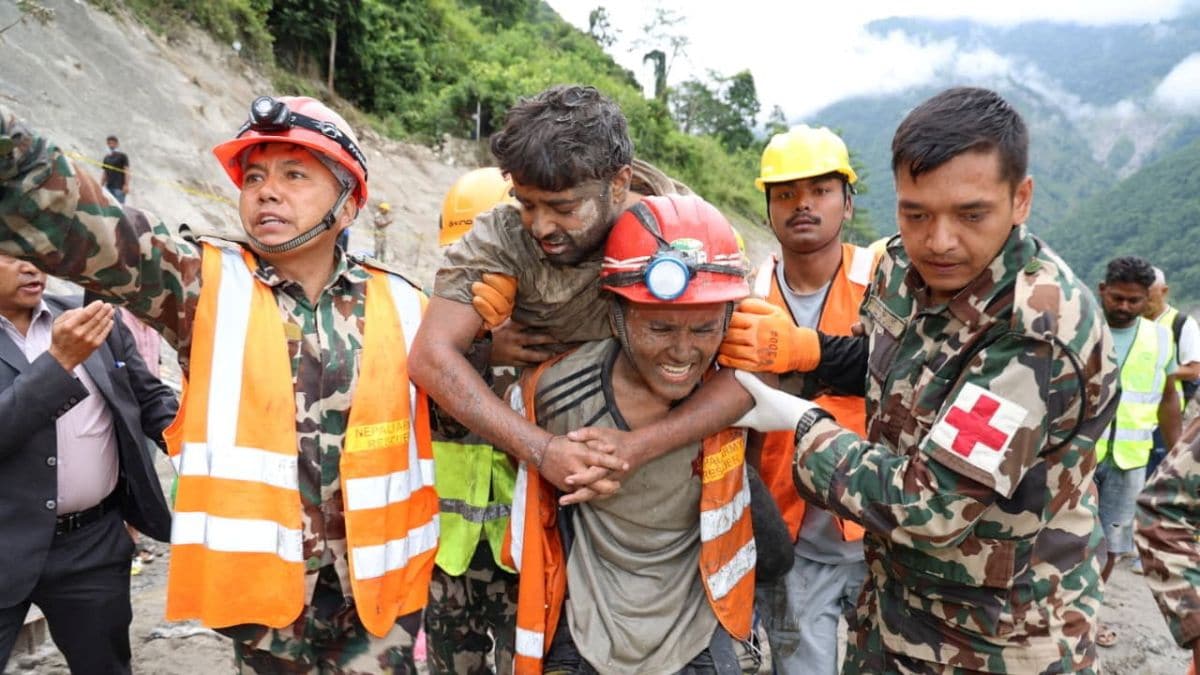
When the storm passed, it left behind a staggering death toll climbing past twelve hundred lives and thousands more missing. For the families back in the United States, the physical distance was instantly replaced by an agonizing vacuum of information. Standard State Department hotlines provided endless ringing and generalized holding patterns, but no coordinates, no manifests of survival, and no sign of specialized American boots on the ground.
Desperation breeds resolve. In a formal letter addressed to U.S. Secretary of State Marco Rubio, families and friends of the missing drew a sharp line in the sand. Signed on behalf of dozens of missing citizens whose last known locations were near the treacherous border crossings into Tibet, the message was direct and stripped of diplomatic pleasantries. Additional details on this are covered by The New York Times.
We want all of them found, the families wrote, noting that they expected a more robust, visible operational response from their own government for the Americans caught in the disaster zone.
The appeal is not merely for sympathy; it is a tactical blueprint for survival. The signatories have urged Washington to deploy high-altitude search aircraft, thermal-imaging drones, ground-penetrating radar to peer beneath deep debris fields, and emergency Starlink connectivity to pierce the communication blackout blanketing the valley. They are asking the State Department to bridge a geopolitical chasm by coordinating directly with Chinese authorities for consular access across the border, while synchronizing efforts with allies like India, the United Kingdom, and Australia whose citizens shared the same ill-fated tour groups.
Consider what happens when a global superpower’s citizens vanish in a remote gorge. The machinery of state is often slow to match the raw terror felt by a family staring at a final text message sent hours before a river changed its course. While local Nepali soldiers and helicopter crews have worked tirelessly to pull thousands to safety, the sheer scale of the devastation demands specialized high-altitude intervention that families believe requires direct American logistical backing.
This is the invisible cost of our interconnected world. We send our loved ones across oceans to touch ancient stones and witness majestic heights, trusting that in their hour of absolute peril, invisible safety nets will automatically activate. When those nets fray, the silence left behind is deafening.
The letter to Secretary Rubio rests on desks in Washington now, but the real clock ticks in the valleys of Rasuwa, where the mud slowly dries, the river cuts a new path through the earth, and families wait for a voice that has not yet spoken home.