Darkness falls over the auditorium. The trailers finish rolling. You settle in with your overpriced popcorn, ready to escape reality for two hours. Then, a blinding rectangle of light erupts three rows ahead of you. Someone is scrolling TikTok at full brightness, completely oblivious to the hundreds of people around them.
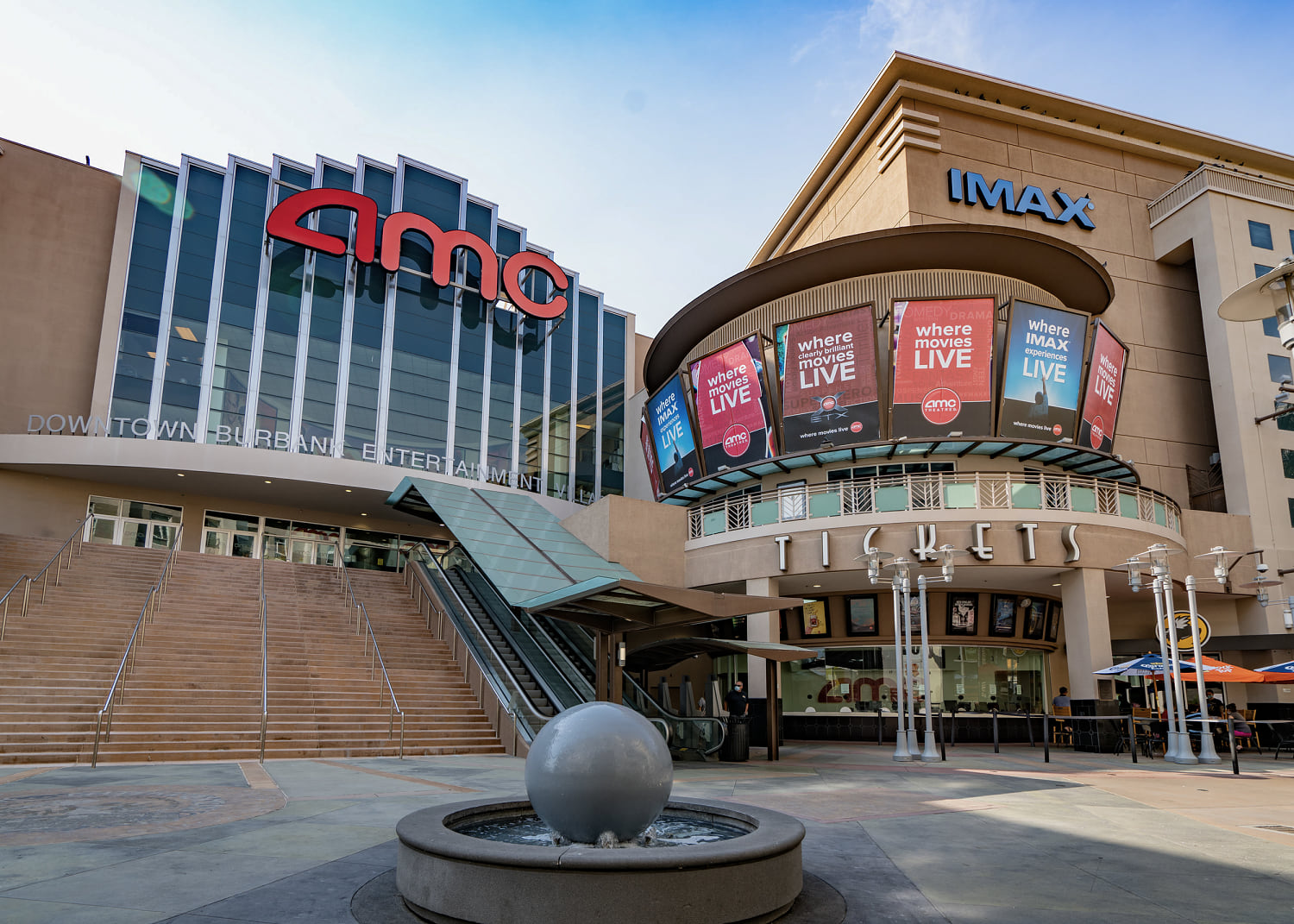
We've all been there. But things crossed a dangerous line when a dispute over basic phone use at an AMC theater exploded into a pepper spray incident. It sounds like an exaggerated headline from a satirical news site, but it's real life. People are losing their tempers, and movie theaters are turning into flashpoints for modern rage. For another perspective, see: this related article.
Theater etiquette used to be simple. You sat down, shut up, and watched the movie. Somewhere along the way, basic courtesy broke down. Phones became permanent appendages, and a shocking number of adults decided that social media notifications matter more than the cinematic experience everyone paid to enjoy.
The Breaking Point in the Auditorium
The recent AMC confrontation wasn't just an isolated scuffle. It's the symptom of a much larger cultural sickness. When you tell someone to put their phone away in a dark theater, you're rolling the dice on their reaction. Half the time, you get an eye roll and an apology. The other half, you get cursed out, threatened, or apparently, sprayed with chemical irritants. Similar analysis on this matter has been provided by GQ.
People are exhausted. Life is stressful, and the movie theater is supposed to be a sacred, quiet sanctuary away from the noise. When someone shatters that peace with a glowing screen or a loud phone call, it triggers an immediate, visceral annoyance.
Most theaters rely on passive enforcement. They show a quick 10-second bumper before the movie reminding people to silence their devices. It doesn't work. The people who care about theater etiquette already have their phones off. The people who don't care ignore the warning entirely.
Why Phone Addiction Ruined the Shared Experience
Let's be honest about what's happening. We have a severe focus problem. Many people can't sit through a two-hour film without checking their feeds. They have an itch that needs scratching every ninety seconds.
Bright screens ruin the atmosphere. In a pitch-black room, an iPhone screen acts like a floodlight. It bounces off walls, ruins the contrast of the projection, and pulls every eye in the vicinity away from the screen. You aren't just annoying the person directly behind you. You're disrupting dozens of people's field of vision.
The defense from phone users is usually defensive and entitled. They paid for their ticket, right? They can do what they want. But that logic completely misunderstands public spaces. You also bought a ticket to a public pool, but you aren't allowed to throw rocks at people. Shared spaces require a baseline social contract.
Theater chains like AMC, Regal, and Cinemark need to step up. Polite PSAs aren't cutting it anymore. If theaters want people to keep buying tickets instead of staying home to stream on their couches, they have to guarantee a safe, distraction-free environment.
What Actually Works to Fix the Problem
Ignoring the issue won't make it go away. If movie chains want to stop fights, pepper spray incidents, and general hostility, they need proactive enforcement.
Some venues have experimented with locking pouches like Yondr for comedy shows and concerts. While that might be extreme for mainstream multiplexes, theaters need a more visible staff presence. Ushers walking aisles during the first twenty minutes of a blockbuster would instantly deter bad behavior.
If you see someone glued to their phone, confronting them directly is increasingly risky, as the AMC incident proves. The better route involves notifying theater staff immediately. Let the people whose job it is to manage the venue handle the disruptive guest.
We need a cultural reset around shared public viewing spaces. Phones belong in pockets, on silent, or turned off entirely until the credits roll. If you genuinely cannot disconnect for two hours, stay home. The rest of us are trying to watch a story unfold.