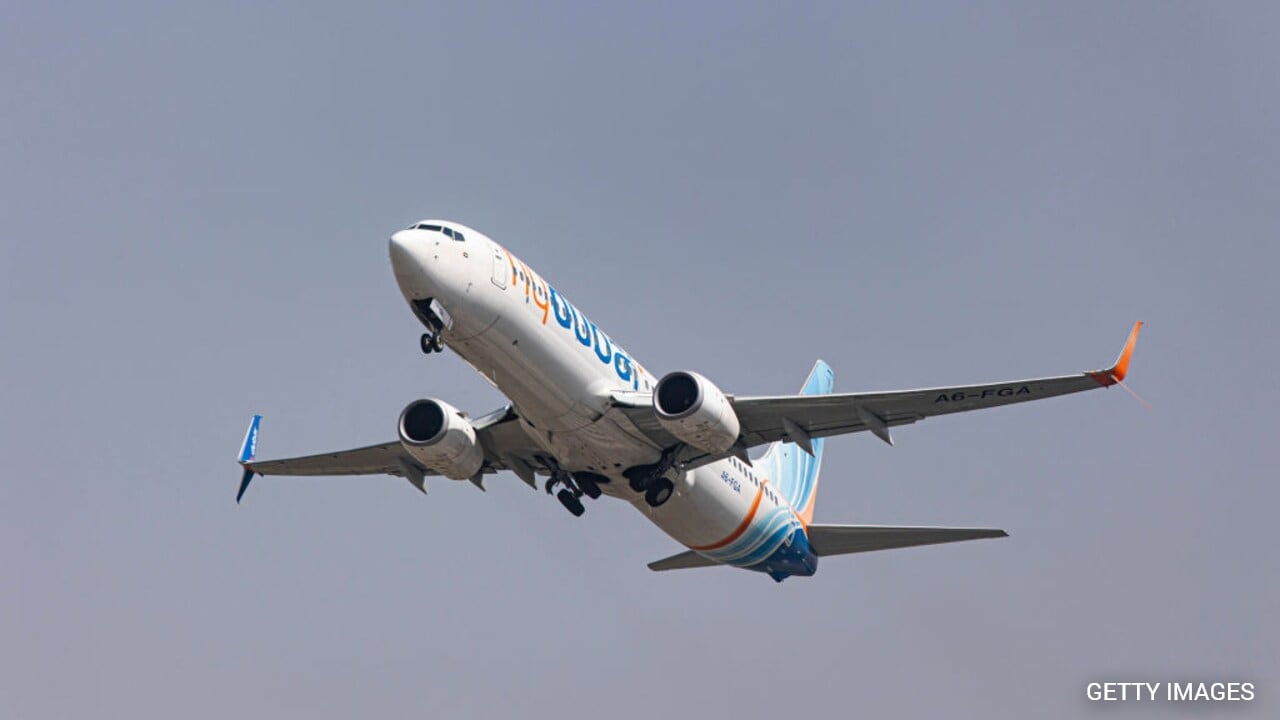
Planes land in Palma every single minute during peak season, carrying thousands of holidaymakers hunting for cheap sun and cheap sangria. They step off the tarmac, smell the pine and salt in the air, and walk straight into a fantasy version of the Mediterranean. But they don't see what happens when the tourists go home. They don't see the slow, painful transformation eating away at the island's soul.
I spent three years living away from Majorca, working abroad and watching the Balearic paradise through a screen of Instagram posts and tourist board advertisements. When I finally packed my bags and returned, expecting the familiar warmth of home, I felt physically sick. The island I left behind was fractured, overrun, and suffocating under the weight of its own runaway success.
If you think Majorca is just another sunny beach escape, you are missing the entire story. The reality on the ground is a cautionary tale about overtourism, housing crises, and what happens when local life gets priced out of existence.
The Housing Crisis Is Changing Everything
You cannot talk about modern Majorca without talking about rent. It is impossible. I started looking for an apartment in Palma within forty-eight hours of landing, and I quickly realized that normal living arrangements no longer exist for locals.
Walk down any street in neighborhoods like Santa Catalina or La Lonja, and you will see buildings that once housed generations of Mallorcan families now sitting empty for nine months of the year, waiting for wealthy digital nomads or holiday renters to drop eye-watering sums on a weekly stay.
- Long-term rental stock has dropped dramatically over the last five years.
- Local workers are commuting from inland villages because Palma is financially out of reach.
- Families are crammed into tiny flats while luxury penthouses sit dark and vacant.
The math simply doesn't work anymore. When average local salaries hover around 1,500 euros a month and studio apartments in the city cost 1,200 euros, something has to snap. It snapped for me when I spoke to a lifelong friend who works as a nurse in a local hospital. She told me she might have to move to the Spanish mainland because she can no longer afford the deposit on a one-bedroom flat. A healthcare worker, forced out of her home island. It makes zero sense.
Overtourism Reached a Breaking Point
We have moved past the era of lively summer crowds. This is a full-scale saturation. During my first week back, I tried to visit one of my favorite coves in the southeast—Cala Llombards. Ten years ago, you could park your car near the sand at ten in the morning and find a quiet spot to read a book.
Now? Cars are parked illegally for a kilometer up the dust tracks. Tour buses clog the narrow country lanes, completely paralyzed because two coaches tried to pass each other on a road built for horse-drawn carts. The local government talks endlessly about caps and sustainable tourism strategies, but the crowds just keep swelling.
And the behavior has shifted, too. The polite, respectful travelers who came for the hiking, cycling, and local culture are increasingly drowned out by hordes looking for cheap nightlife and endless party strips. Trash piles up on pristine beaches by mid-afternoon. The sea itself feels different, crowded with rental boats and jet skis churning up the Posidonia seagrass that keeps the Mediterranean crystal clear.
The Disappearing Local Culture
The saddest part of returning wasn't the traffic or the prices. It was the loss of identity.
Step into a traditional bakery or forn in Palma's historic center, and you are just as likely to be served by someone who speaks zero Catalan or Spanish as you are by a local. Small, family-run hardware stores, corner grocers, and independent cobblers have been replaced by international clothing chains, high-end gelato shops, and boutique cafes catering exclusively to high-spending expats.
Majorca risks becoming a theme park. A gorgeous, sun-drenched backdrop where nobody actually lives year-round. When you hollow out the community, you hollow out the culture. The famous ensaimadas and local wine are still there, but they are marketed as museum pieces rather than everyday staples of a vibrant society.
What You Need to Know Before You Visit
If you are planning a trip to Majorca, you need to change your approach. Do not treat this island like an all-you-can-eat buffet of sunshine and cheap drinks.
- Rent a car with eco-consciousness in mind, and respect the local parking rules—towing is aggressive and expensive.
- Support local businesses by seeking out neighborhood taverns away from the main tourist drags.
- Learn a few words of Catalan or basic Spanish; it goes a long way with residents who are exhausted by foreign indifference.
- Visit during the shoulder season in October or April when the island can actually breathe.
Majorca is still one of the most stunning places on earth. The Tramuntana mountains still glow pink at sunset, the almond blossoms in January are still breathtaking, and the scent of wild rosemary after a Mediterranean storm will always feel like home to me. But the magic is bruised.
If we don't fix the housing crisis and put real limits on tourist numbers, there won't be a local community left to welcome anyone back. Pack your bags if you want, but tread lightly. The locals are watching, and they are tired.