Bigger seats do not fix bad calendar math. They hide it.
Whenever a WNBA franchise announces a shift from an intimate home court to a massive NBA-sized building for the WNBA Finals or high-demand playoff dates, the press releases write themselves. Every lazy sports writer repeats the exact same script: bigger building means more ticket revenue, bigger crowd means more legitimacy, scheduling swap solves the conflict, everyone wins.
That script is built on sand.
I have worked around pro sports ticketing, venue routing, and live-event economics long enough to see franchises burn through goodwill and margin trying to force square pegs into round concrete bowls. Putting a team into a 16,000-to-20,000-seat arena after a scheduling swap sounds like a triumph of demand over scarcity. In practice, it often exposes every operational shortcut a front office took during the regular season.
The real question is not whether the Atlanta Dream can sell more tickets in a larger building. The real question is why a scheduling swap was necessary in the first place, what happens to per-cap economics when you double or quadruple capacity, and whether a cavernous bowl helps or hurts championship atmosphere when the upper deck sits half-empty or dead silent.
The Lazy Consensus Around Arena Upgrades
Conventional sports coverage treats venue size like a simple volume knob. Turn it up, get more money. Turn it up again, prove the league has arrived.
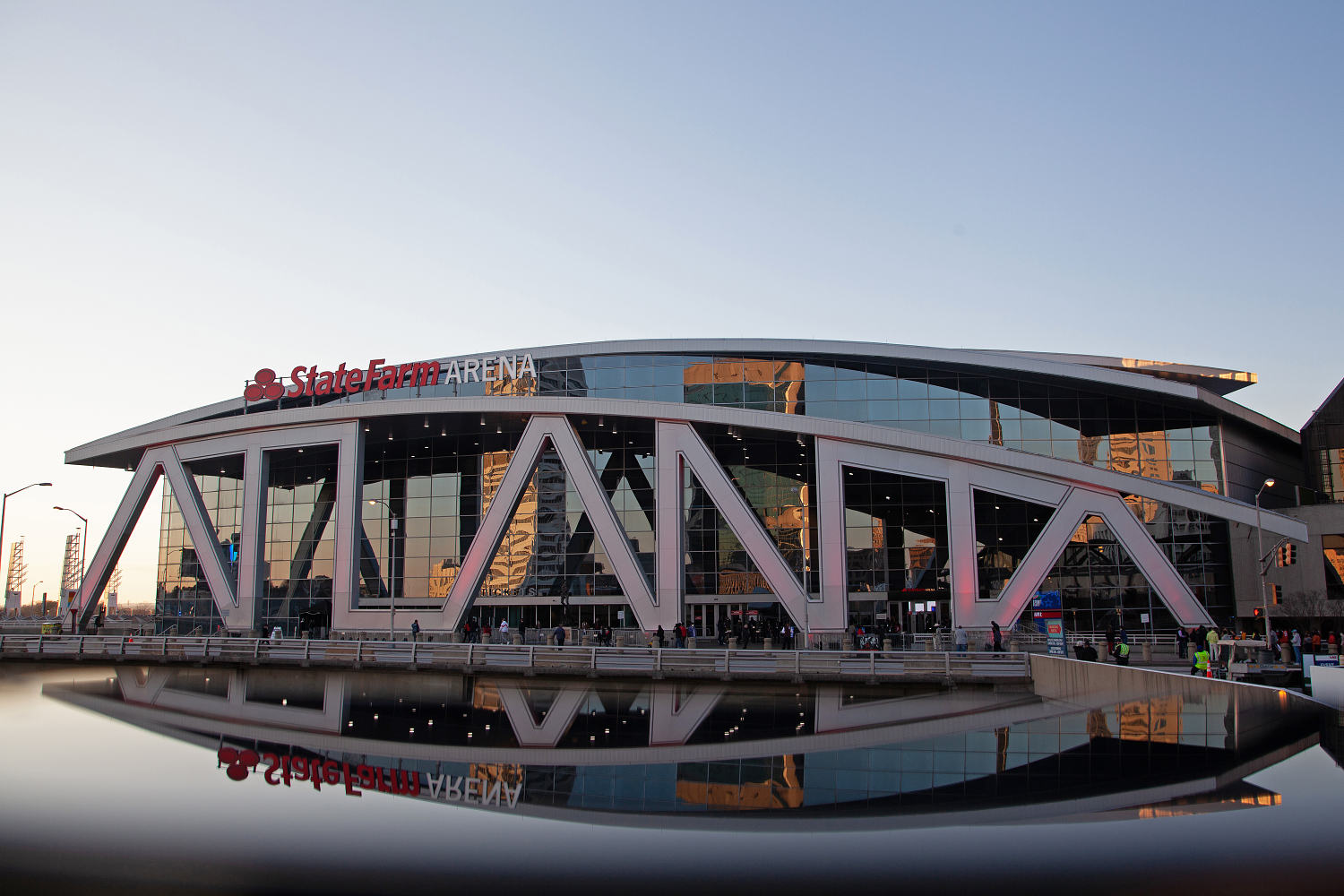
When a team like the Atlanta Dream leaves a smaller venue such as Gateway Center Arena at College Park for a flagship downtown building like State Farm Arena on the back of a scheduling adjustment, commentators frame it as pure momentum. Demand outgrew the room. The schedule bent to make room for history. Problem solved.
That framing skips three uncomfortable realities of sports venue operations:
- Gross ticket sales are not net profit. A larger building brings higher union stagehand and event-staff minimums, heavier security footprints, separate concourse staffing, and steeper rent or revenue-share splits with the building operator.
- Scheduling swaps create downstream friction. Moving dates around to open a prime building does not happen in a vacuum. It compresses recovery windows, alters travel rhythms, collides with concert holds or NBA prep, and forces fans who planned around one calendar date to scramble or bail.
- Atmosphere is a function of density, not capacity. Four thousand loud people in a tight bowl sound like a riot. Seven thousand scattered fans in a 17,000-seat arena can sound like a morning shootaround with a PA system.
Sports economists and venue executives—people like Andrew Zimbalist and Marc Ganis, who have spent decades dissecting stadium deals, capacity utilization, and live-event cash flows—have pointed out for years that headline attendance figures distort financial health. A sellout of a small room with high-yield courtside and club pricing can beat a loosely packed giant arena on net margin, even when the box score touts a bigger headcount.
What Venue Capacity Actually Changes on Game Night
Let us be precise about the terms before we start throwing stones.
Gross capacity is the total number of seats a building can physically put on sale for a basketball configuration. Net sellable capacity is what remains after camera platforms, broadcast risers, court sightlines, production kills, and sponsor holds are subtracted. Effective attendance is tickets distributed or scanned, while paid gate is actual revenue collected after comps, group discounts, and fee splits.
People routinely conflate those four numbers. A front office announces a massive crowd number, rivals cheer the milestone, and nobody asks what the average ticket actually cleared after fees and group blocks—or how much it cost to light and staff the upper bowl.
Imagine a scenario where a team moves a championship-stage game from a roughly 3,500-seat gym to a 16,500-seat arena after a date swap. On paper, opening 13,000 extra seats looks like found money. In reality, lower-bowl seats move first at premium rates, middle-tier seats require aggressive pushing, and the upper tiers often become a pricing puzzle. If you price upper-deck seats too high, they sit empty on camera. If you slash them too low, you cannibalize mid-tier buyers and train fans to wait for last-minute dumps.
Selling out an intimate venue builds urgency; opening a giant bowl before your distribution engine is ready can turn scarcity into slack inventory.
I have watched teams celebrate a record attendance number on Tuesday and quietly wince at the expense sheet on Friday. Overtime payouts, extra concourse gates, late-night changeover crews, and higher insurance or production overhead eat into top-line gains fast. A scheduling swap makes that even trickier because compressed timelines leave less runway for high-touch corporate hospitality and season-ticket-holder retention perks.
Why Scheduling Swaps Are a Warning Sign, Not a Victory Lap
When a league or team executes a scheduling swap to unlock a bigger arena for the WNBA Finals or key postseason games, take a breath before clapping. A swap means the original calendar collided with something else—another event hold, a building commitment, or a broadcast slot.
Adjusting dates to fit a larger venue solves a real-estate bottleneck. It does not automatically fix fan habits.
Think about how fans buy tickets for high-stakes games. Die-hards lock in plans early. Casual buyers wait until the matchup is set, the date is firm, and the weekend logistics make sense. When dates shift through a swap, three things happen immediately:
- Travel and childcare plans get blown up. A game moved by a day or two can turn an easy drive or flight into a work-day headache.
- Resale liquidity wobbles. Season members and early buyers who planned around one window suddenly have to re-list or re-coordinate on a shorter fuse.
- Group and corporate activations scramble. Businesses that buy blocks for client entertainment need lead time to clear calendars.
There is also a competitive angle that gets brushed aside in feel-good coverage. Championship basketball is already a grind. Shuffling dates to chase building availability can change rest intervals between games or alter how quickly a team transitions from a series clincher to the next stage. Winning a banner takes sharp execution on the floor, not just applause for booking a bigger room.
Addressing the Questions Everyone Else Answers on Autopilot
When news like this breaks, search engines fill up with predictable questions. Most of the answers are bland filler. Let us strip them down.
Does moving to a bigger arena automatically mean more revenue for the team?
No. It means more potential gross inventory and higher operating complexity. Whether net revenue rises depends on arena lease terms, concession and parking splits, ticketing fees, production costs, and how many high-margin seats actually sell at full freight. A bigger building with an unfavorable split or bloated game-day overhead can produce thinner margins than a tighter, well-priced room.
Is a larger venue always better for the players and the WNBA Finals experience?
Not necessarily. Players love big stages, bright lights, and energetic crowds—when the building is rocking. They hate playing in half-empty cavernous rooms where sound dies in the rafters and sightlines feel distant. A packed smaller venue with genuine noise and zero dead air often delivers a better competitive environment than a massive arena with 6,000 empty seats above the lower bowl.
Why do teams bother with scheduling swaps if there are trade-offs?
Because when demand spikes for a marquee series or championship window, front offices face a painful choice: turn away thousands of paying fans at a small gym door, or pay the operational freight to open a bigger building. Sometimes the upside—more fans in the building, stronger local buzz, bigger headline reach—is worth the headache. The mistake is pretending there are no trade-offs.
Where This Contrarian Take Can Backfire
Honesty requires owning the blind spots. Betting against bigger arenas can look silly fast when demand is genuine and sustained.
If a franchise has deep local momentum, strong corporate backing, clean pricing tiers, and a packed lower bowl that naturally spills into the upper levels without papered seats or steep last-minute discounting, the bigger venue wins. In a city with a massive metro footprint like Atlanta, a true championship push can pull in thousands of lapsed fans and first-time buyers who would never squeeze into a boutique gym.
There is also a brand-building reality that pure spreadsheet math misses. Visual scale matters in sports media. Shots of a massive, loud crowd on national broadcasts signal arrival to sponsors and casual viewers in a way a small gym cannot always match—provided the seats are actually full and the crowd is engaged.
If I am wrong about a specific move, it is usually because I underestimated how fast pent-up local demand can clear inventory once a team reaches the biggest stage. When the product on the court is undeniable, fans will forgive a clunky schedule change.
How Smart Front Offices Actually Play the Bigger-Arena Move
If you run a team, manage live events, or evaluate sports business moves like an insider instead of a cheerleader, do not celebrate the announcement. Audit the mechanics.
- Protect your core members first. When a venue change or scheduling swap happens, give existing season-ticket holders priority access and clear seat-mapping rules before opening general public sales. Nothing breeds resentment faster than a loyal fan getting worse sightlines or losing their preferred date without a clean fix.
- Tier pricing with discipline. Price lower and club seats for maximum yield, set upper-bowl pricing to drive real volume rather than wishful thinking, and avoid panic-discounting that punishes early buyers.
- Engineer sound and sightlines. A big arena feels small in the worst way if upper-deck fans are tucked behind awkward angles or disconnected from the action. Use tight production cues, strong crowd prompts, and smart camera framing so the energy stays concentrated near the court.
- Watch the calendar math. Check rest days, travel legs, and practice windows alongside arena holds. A scheduling swap that helps ticket sales while hurting recovery is a bad bargain in a title chase.
Stop treating a bigger arena and a scheduling swap as proof of genius. Treat them as a stress test—and judge the move by how full the seats are when the ball tips, not by how loud the press release sounds.