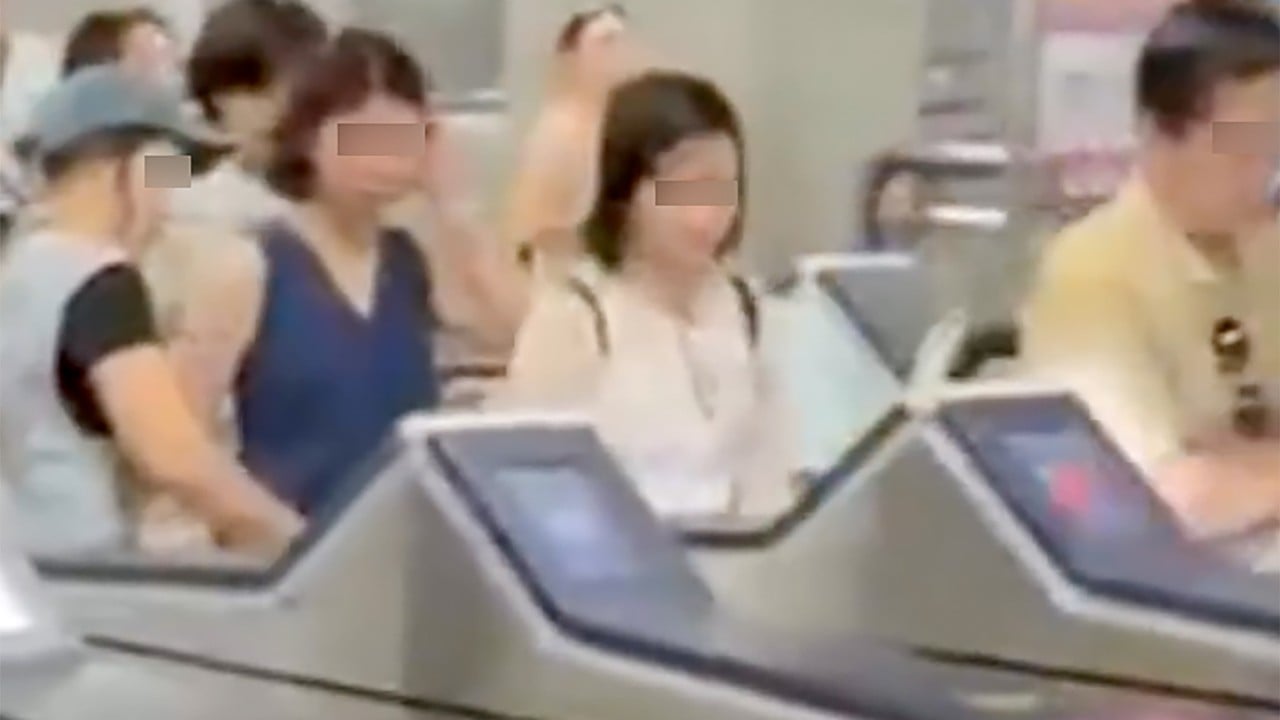
The headlines scream about an unscrupulous tour guide caught orchestrating a transit scam, dodging MTR turnstiles with cheap concessionary passes. The public nods in righteous fury. The transit giant plays the victim, waving the threat of criminal prosecution like a bloodstained broadsword to signal zero tolerance.
It is a masterclass in shifting blame.
MTR Corp wants you to look at the individual bad actor because looking at the structural failure makes everyone in the boardroom look incompetent. Focusing on a rogue tour guide lets a multi-billion-dollar corporation mask the systemic design flaws of an archaic fare structure that invites exploitation. When a system can be gamed this easily by a freelance operator, the problem is not the operator. The problem is the architecture.
I have spent years auditing transit networks across major global hubs, watching operators panic every time revenue protection metrics dip. I have seen corporations blow millions on high-tech turnstile overhauls while ignoring the glaring behavioral incentives they bake into their pricing models.
Let us dismantle the lazy consensus. MTR claims that cracking down on tour guides protects the integrity of the public transit ecosystem. That is corporate gaslighting. The real story is that MTR’s concessionary tier pricing is a poorly patched relic, and prosecuting low-level fixers is cheaper than fixing the underlying software and hardware interface.
The Concessionary Trap
To understand why MTR is pointing frantic fingers at tour guides, you have to look at how transit concessions actually function. Concessionary fares exist to subsidize mobility for specific vulnerable or economically constrained demographics: children, students, seniors, and persons with disabilities. These are socially motivated pricing structures designed to offset the cost of living in dense urban environments.
Tour guides operating low-cost inbound tour groups operate on razor-thin margins. When a tour operator promises a mainland tour group a deeply discounted package, every single line item is squeezed. Transportation is the easiest variable cost to manipulate. If an operator can shave fifty Hong Kong dollars per head off transit costs by abusing student or senior smart cards, they will take that arbitrage every single time.
MTR cries foul, claiming the system relies on the honor of community trust. That is nonsense. No major corporation relies on honor; they rely on actuarial risk. And MTR calculated that leaving loopholes open for concessionary card misuse was cheaper than implementing biometric verification or deployment-heavy station enforcement. Until now, the leakage was just a rounding error on a balance sheet.
When the media spotlight hits, suddenly it becomes an existential threat to public order. That is not governance. That is public relations damage control.
Why Prosecution Is A Smoke Screen
Threatening criminal prosecution against individual tour guides creates a chilling effect, but it does nothing to solve the leakage. In fact, it creates a perverse incentive for operators to become more clandestine, driving the fraud underground rather than eliminating it.
Imagine a scenario where a corporate logistics firm leaves its warehouse doors wide open with a sign that says "Please Do Not Steal." When items start walking out the door, the firm hires armed guards to arrest the desperate freelancers who walk in, while refusing to install locks on the doors. That is MTR's strategy.
Prosecution is loud. Prosecution makes good evening news footage. Prosecution allows transit executives to stand in front of microphones and talk about protecting the community purse. But prosecution is a lagging indicator. It happens after the damage is done.
If MTR actually wanted to stop fare evasion, they would address the root cause: the friction-free abuse vector of multi-tier smart cards without active identity validation. In a modern smart city, relying on visual spot-checks by station staff or waiting for audit algorithms to flag anomalous trip patterns weeks later is medieval.
The Technical Reality Of Fare Architecture
Let us define terms precisely. Fare evasion in a closed-system rapid transit network is not just about a person jumping a barrier. It is about asymmetrical information and structural arbitrage.
MTR's ticketing infrastructure relies heavily on radio-frequency identification cards. These cards carry profile flags indicating whether the holder is entitled to a standard fare or a concessionary discount. The flaw is not in the card encryption; the flaw is in the display logic at the barrier. When a concessionary card taps the reader, the gate opens with a specific beep or light indicator. To a station attendant sitting thirty feet away in a glass box, that indicator blends into the background noise of thousands of commuters.
Tour guides exploit this sensory overload. They hand concessionary cards to adult tourists who match roughly the profile category, or they rely on the sheer speed of morning rush hour crowds where station staff are focused on crowd flow management rather than card auditing.
Fixing this does not require prosecuting tour guides. It requires redesigning the terminal interaction.
- Visual Differentiation at the Gate: The moment a concessionary card is used, the barrier should flash a distinct, highly visible color or trigger a mandatory secondary display showing the user's registered demographic profile.
- Dynamic Biometric Sampling: Introduce randomized facial or digital verification at high-volume tourist-heavy stations like Disneyland Resort or Tsim Sha Tsui, matching card profiles against live passenger checks.
- Liability Shift: Hold tour agencies corporately liable with massive commercial fines rather than just prosecuting the frontline disposable employee. Hit the corporation's business license, and the illegal card sharing stops overnight.
The Downside Of The Contrarian Fix
I will be transparent about the flaw in my own argument. Implementing rigorous identity verification at every turnstile creates massive friction. Commuters hate waiting. Tourists already struggle with local transit navigation, and adding biometric checkpoints or mandatory secondary displays will slow down throughput during peak hours.
Privacy advocates will scream about surveillance capitalism. Civil liberties groups will argue that profiling tourists or residents at subway gates turns public transit into a checkpoint state.
That is the trade-off MTR faces. They can accept a minor, predictable percentage of revenue leakage as the cost of a frictionless, open-flowing transit system, or they can lock down the network and choke the commuter experience. What they cannot do—and what they are currently pretending they can do—is blame a few freelance tour guides for exploiting a hole that MTR left open because fixing it would make their daily passenger throughput metrics look ugly.
The Real Culprit
The tour guide caught in this probe is a symptom, not the disease. They are a small-time player operating in a market where massive structural incentives encourage corner-cutting.
By hyper-focusing on individual criminality, MTR diverts attention from its own failure to modernize its fare validation architecture. It is a brilliant tactical distraction. The public gets an enemy to hate, the media gets a villain of the week, and the corporate executives keep drawing their bonuses without having to explain why their system security model is stuck in the nineties.
Stop buying the narrative that a few rogue guides are undermining the foundations of public transit. The foundation was already weak. The operators just hoped nobody would notice until the spotlight forced them to find a scapegoat.
Next time you see a headline about a transit crackdown, look past the cuffs and ask yourself why the door was unlocked in the first place.

