The Sound of the Doorbell
Rain smears the glass of a terraced house in Leeds. Inside, a freelance graphic designer waits. She is waiting for a graphics tablet, the tool she needs to finish a project that pays her rent. Every ten minutes, she glances out the window. She checks her phone. The app says "Delivered," accompanied by a blurry photograph of a generic concrete doorstep that is absolutely not hers.
Frustration. Anger. A familiar, hollow helplessness.
Now, shift the lens. A few miles away, a courier navigates a labyrinth of narrow streets. The rain is blinding. The scanner battery is dying. The algorithm ticking in their pocket demands a pace that defies human biology. One late delivery ripples through a weekly paycheck. One bad review risks termination.
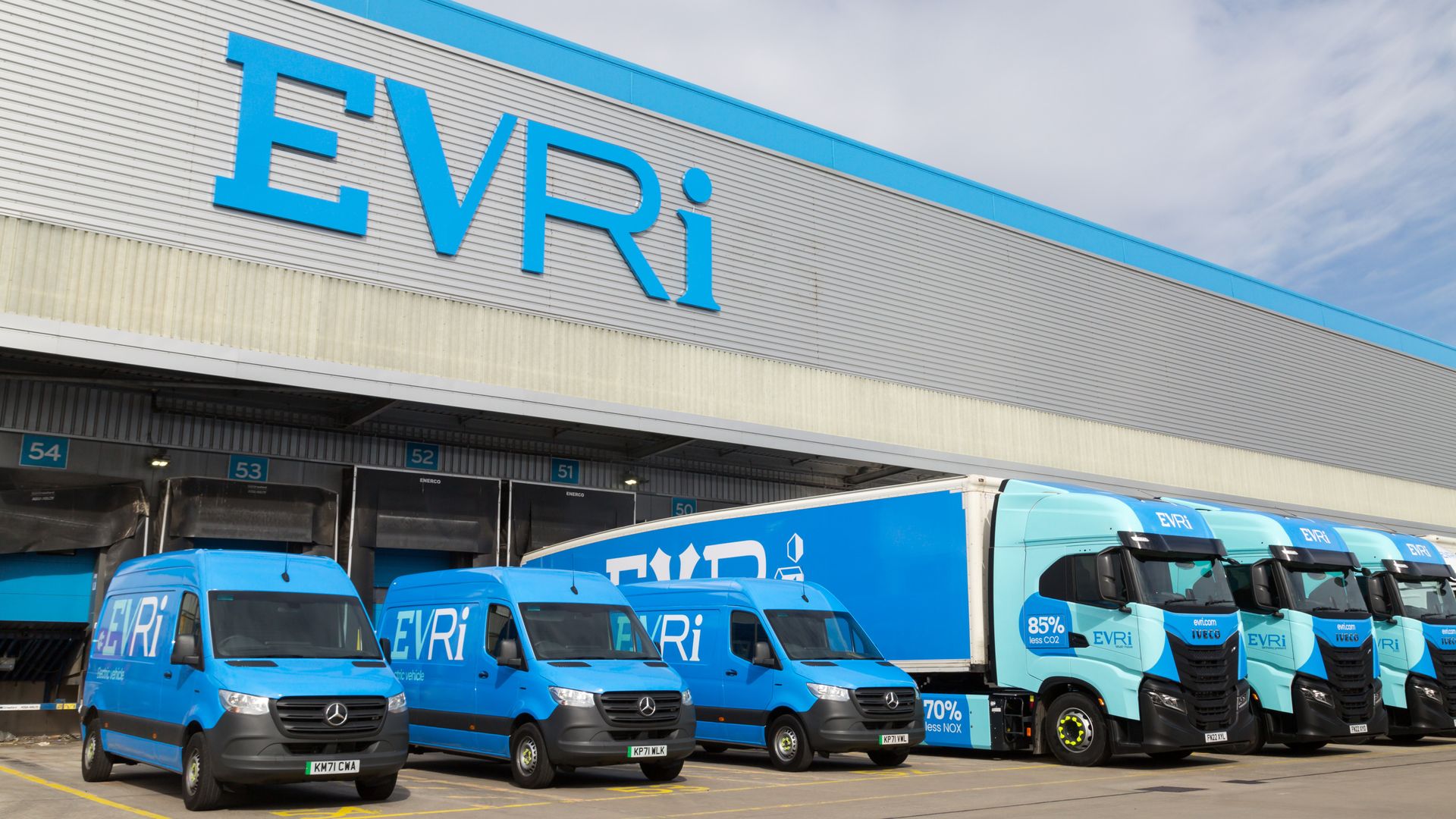
We live in an era where the space between buying and owning has been reduced to a fragile, hyper-optimized chain of human beings. At the center of this web sits Evri, one of the UK’s largest dedicated parcel delivery companies. For years, the brand has been a household name, sometimes whispered with gratitude when a birthday present arrives on time, and sometimes shouted in frustration when a cardboard box vanishes into the ether.
But behind the daily friction of missing parcels lies a much larger, high-stakes battle. It is a war of narrative, reputation, and raw survival played out in courtrooms and broadcasting studios.
Evri is suing the BBC. The price tag on the damage? A cool £1.2 million.
The Undercover Threat
The collision began with a television screen.
In the United Kingdom, the BBC’s Panorama is an institution. For decades, it has functioned as the nation’s investigative conscience, sending journalists undercover with hidden cameras to pierce the corporate armor of powerful organizations. When Panorama turns its sights on a company, the boardrooms freeze.
An undercover reporter spent weeks inside an Evri sorting depot. The footage broadcast to millions was not a sleek advertisement for modern logistics. It captured a chaotic reality: parcels being thrown into cages, packages mishandled, and staff expressing profound frustration with the relentless pressure of the system. The programme painted a picture of a service buckling under its own weight, failing the very consumers who relied on it.
Reputation is a fragile currency. In the logistics industry, it is everything.
When the broadcast aired, the public reaction was swift and predictable. Social media erupted with shared horror stories. Competitors sensed blood in the water. For Evri, the programme was not just a critical piece of journalism; it was a devastating financial blow. It struck at the core of their corporate identity, threatening relationships with major retail giants who choose their delivery partners based on reliability and public trust.
Evri did not take the blow lying down. They hit back with the heaviest weapon available in the corporate arsenal: a massive libel lawsuit.
The True Cost of a Name
To understand why a company sues a public broadcaster for £1.2 million, you have to look past the spreadsheets. You have to look at the psychology of trust.
Imagine building a bridge. It takes years of engineering, millions of pounds, and thousands of hours of labor to ensure the structure can hold the weight of the public. Now imagine someone broadcasting a video claiming the foundations are made of sand. Even if the bridge stands, people will stop crossing it. They will take the long way around.
Evri argues that the Panorama investigation was fundamentally unfair, selective, and deeply damaging to its commercial interests. The legal claim asserts that the broadcaster distorted the reality of their operations, presenting isolated incidents as systemic failures. The £1.2 million figure isn't just a number pulled from thin air; it represents calculated losses in business, the soaring cost of crisis management, and the immense effort required to repair a fractured brand.
Defending a reputation in court is a double-edged sword. By launching such a high-profile lawsuit, Evri ensures that the allegations remain in the public eye. Every legal filing, every courtroom argument, and every press release breathes new life into the original controversy.
Yet, for the logistics giant, silence was a luxury they could not afford. In the cutthroat world of delivery services, where profit margins are razor-thin and consumers switch allegiances at the click of a button, letting a definitive negative narrative go unchallenged is tantamount to corporate suicide.
The Machine Behind the Box
Step away from the legal briefs for a moment. Consider the sheer scale of the operation that dictates our daily lives.
Every single day, millions of items move across the country. It is a logistical ballet of staggering complexity. Sorting hubs the size of football stadiums hum with life twenty-four hours a day. Automated conveyor belts whir, sorting packages by postal code faster than the human eye can track.
But automation only goes so far. The final mile—the journey from the local depot to your doorstep—relies entirely on human hands.
This is where the corporate strategy meets the reality of the tarmac. The gig economy has transformed how goods are moved. Couriers are often self-employed, paid per delivery, balancing the autonomy of choosing their hours against the relentless demands of the clock. When a system relies on millions of individual human decisions every day, variance is inevitable. Perfection is impossible.
The legal battle between Evri and the BBC is ultimately a debate over that variance. Is the chaos captured by undercover cameras the defining characteristic of the network, or is it the inevitable friction of a massive system operating under immense pressure?
The broadcaster stands by its journalism, viewing the investigation as a necessary public service that exposed genuine flaws affecting millions of consumers. Evri views it as an unfair caricature that ignored the vast majority of successful deliveries and the hard work of thousands of couriers.
The Long Road to Verdict
The dispute now winds its way through the legal system, a slow and meticulous process that contrasts sharply with the lightning-fast speed of the delivery network it scrutinizes. High-priced lawyers will dissect hours of footage, analyze transcripts, and debate the precise definition of fairness in journalism.
For the average consumer waiting at home, the outcome of the lawsuit will not change the immediate reality. The doorbell will still ring. The app will still ping. The success of a day will still be measured by whether a cardboard box arrives intact on the mat.
But the corporate landscape will be permanently altered. The case sets a profound precedent for how major corporations interact with investigative media, testing the boundaries of press freedom against a company's right to protect its commercial livelihood.
The rain continues to fall on the streets of Leeds. The graphic designer finally hears the heavy thud of a package landing through the letterbox. She opens the door, catches a brief glimpse of a high-vis jacket disappearing around the corner, and picks up her parcel. The system worked today. Whether it works tomorrow depends entirely on who wins the battle for its soul.