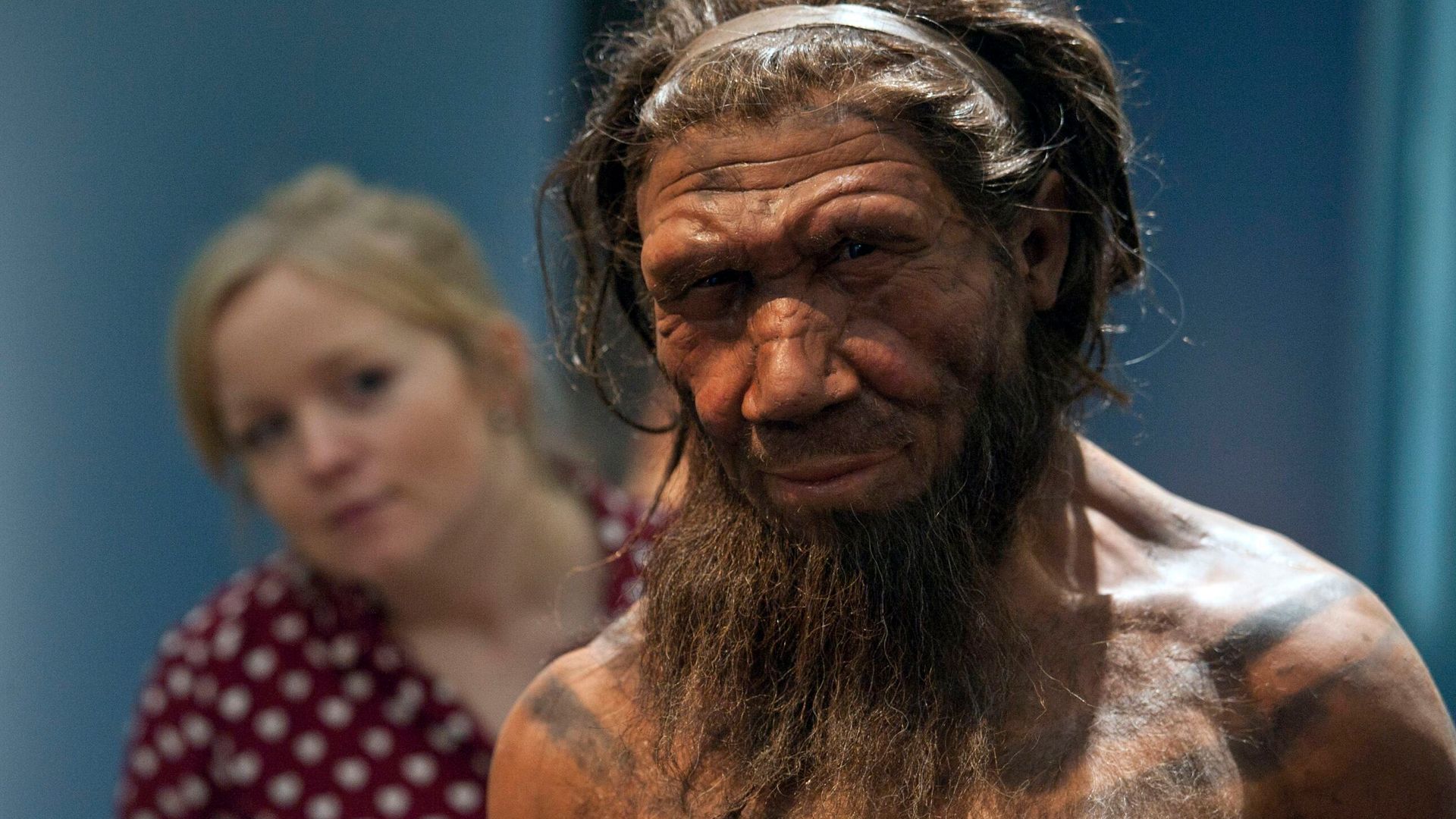
Neanderthals could rip a rib with a sharp blow and still nurse a broken body back toward health. Honestly, that's the part people struggle to hold in their heads at once. For decades, pop culture swung wildly between two caricatures: the stooped brute dragging a club or the soft-eyed peaceful soul who loved flowers. Bones from Shanidar Cave in northern Iraq blow up both clichés at once.
Look at what archaeologists have pulled out of that limestone chamber in the Zagros Mountains over the last seventy years. You find a rib bearing a blunt-force wound that looks like it came from a deliberate strike, not a random tumble down a slope. Right alongside those harsher realities, you find skeletons showing years of survival after crippling injuries, alongside burial layers that sparked fierce debates over compassion and memory. We're not talking about a tidy moral fable here. We're looking at real humans—different species, same messy emotional range. For a deeper dive into this area, we suggest: this related article.
How Neanderthal Bones From Shanidar Cave Changed the Story
If you've ever read an old textbook on human evolution, you probably remember the simple story. Modern humans were supposed to be the complex ones, full of symbols, social bonds, and strategy, while Neanderthals were cast as muscle-bound also-rans. Shanidar Cave helped wreck that neat little hierarchy. To get more context on this development, in-depth analysis is available at The New York Times.
Excavations led by Ralph Solecki in the 1950s and 1960s uncovered multiple Neanderthal individuals dating back roughly 65,000 to 35,000 years. Later work—including excavations that resumed in 2014 involving teams from the University of Cambridge and Liverpool John Moores University, alongside Iraqi archaeologists—re-examined old trenches and found fresh remains, such as the partial skeleton dubbed Shanidar Z. Each wave of digging added texture to a place that already felt heavy with history.
When researchers talk about Neanderthals in connection with Shanidar, they aren't guessing from a single odd tooth. Multiple individuals lie stacked in overlapping layers of sediment, which means the cave wasn't a one-off campsite. It was a recurring shelter where groups lived, argued, hunted, got hurt, died, and got buried over thousands of years.
I think the biggest mistake readers make is treating a single skeleton like a personality test for an entire population. One injured bone doesn't prove Neanderthals were warmongers. One healed limb doesn't prove every camp was a utopian commune. Instead, the cave gives us a gritty cross-section of everyday survival under tough conditions.
Violence Wasn't Rare, and It Wasn't Always About Monsters
Let's get real about prehistoric violence. Hunting massive game in rugged terrain with thrusting spears was already dangerous enough to leave plenty of broken bones, a pattern paleoanthropologist Erik Trinkaus and others have documented across Neanderthal fossils. Getting close to a wild boar, ibex, or deer with a stone-tipped spear meant risking a kick, a gore, or a bad fall.
Still, some trauma looks distinctly interpersonal. A puncture or blunt-force mark on a rib or skull can point toward conflict within a group, a dispute over resources or territory, or a clash between neighboring bands. Think about how small Pleistocene foraging groups were. When food got scarce or tensions flared in a tight living space, violence didn't need grand ideology to erupt.
Here's where things get tricky, though. Identifying exact intent on ancient bone is hard work. A fracture might come from a fist or a thrown stone, or it might come from a rockfall inside a damp cave. Careful osteology looks at wound angle, healing stage, and surrounding context before calling something a blow from another person. That caution matters—it's the difference between sharp science and sensational headlines.
Care and Survival Left Real Marks Too
Flip the coin and look at the resilience preserved in the same valley. Famous individuals from Shanidar, such as Shanidar 1, lived with severe, long-standing physical impairments—including damage to an arm, leg, or sensory organs—that would have made solo hunting and heavy labor nearly impossible. Yet they didn't die on day one.
Someone had to share food. Someone had to watch out for danger when an injured group member couldn't move fast. Maybe someone chewed tough meat or kept watch by the fire. We can't write a script of exact favors exchanged around the hearth, yet surviving for years with debilitating trauma tells us social support was part of how these groups functioned.
Then there's the famous "flower burial" debate around Shanidar 4. Pollen clusters found near the remains once inspired the romantic image of mourners laying blossoms on a grave. Later research, including work examining burrowing rodents like Persian jirds, raised tough questions about whether animals carried seeds and pollen underground long after burial.
Honestly, I love that debate because it shows science doing its job. Even if the flower story has to be trimmed back or re-examined, burial itself at Shanidar—and at other Neanderthal sites—still points to intentional treatment of the dead. You don't have to romanticize every detail to see that these people cared for one another in life and marked death with purpose.
What This Duality Means for How We View Ourselves
Once you accept that Neanderthals had capacity for both harm and care, the mirror swings right back at us. Homo sapiens didn't invent tenderness, and we didn't invent cruelty. Both traits run deep in human evolution.
- Cooperation and conflict grow from the same social roots. Tight-knit groups protect their own fiercely, which can easily flip into hostility toward outsiders or rivals inside the band.
- Physical vulnerability makes community practical. When life is harsh and injuries happen often, looking after hurt members isn't just noble—it keeps the group whole.
- Archaeology always has blind spots. Soft tissues rot away, motives stay hidden, and two researchers can look at the same mineral stain and argue for a decade.
A quick side note on how people talk about this topic online: whenever a study highlights violence, half the comments yell "See, they were savages!" and whenever a study highlights care, the other half yells "See, they were just like us!" Both reactions miss the nuance. Neanderthals were distinct human relatives with their own anatomy, culture, and pressures, capable of hurting each other and helping each other just like any human community.
Practical Ways to Dig Deeper Without Getting Fooled by Hype
If this mix of grit and compassion pulls you down an archaeology rabbit hole, don't stop at a single news summary. You can explore the evidence yourself without getting tripped up by clickbait.
Start by reading open-access papers or museum briefings from reputable institutions like the Smithsonian Institution's Human Origins Program or coverage of Shanidar Cave research from major science outlets such as Nature. Look for details on dating methods, bone pathology, and competing hypotheses rather than bold one-line takeaways.
When you spot a headline claiming "proof" of prehistoric murder or prehistoric romance, pause and check the wording. Ask whether the researchers found evidence consistent with an behavior or certainty about what happened. That single habit will save you from falling for half-baked stories every time.
Next time you read about ancient bones pulled from a cave in Iraq, picture the whole picture at once: sharp stone edges, bruised ribs, steady hands, and quiet evenings around a smoky fire.