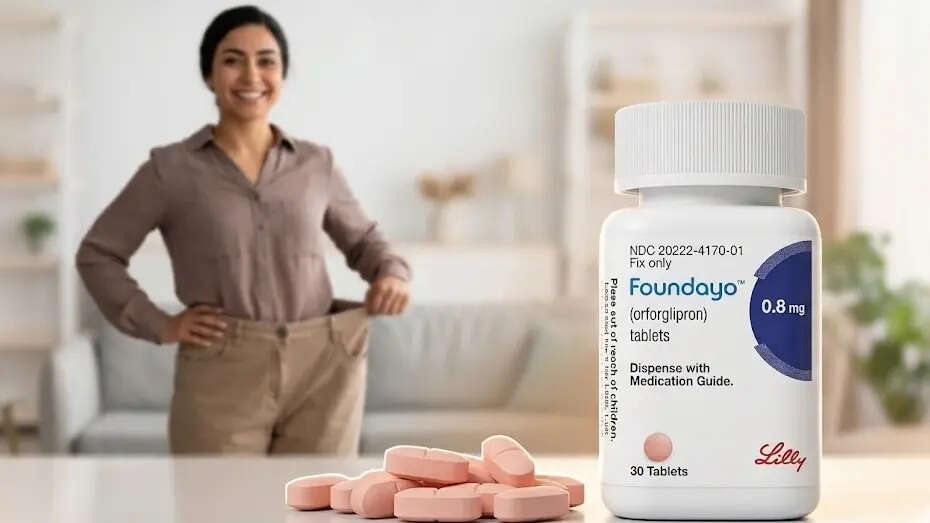
The UAE has just signaled the end of the "needle era" for metabolic health. By becoming the second nation on earth to approve Foundayo, the first non-peptide oral weight-loss pill of its kind, the Emirates Drug Establishment (EDE) has effectively moved the frontline of the obesity battle from the clinic to the nightstand. For years, the gold standard for weight loss—drugs like Ozempic and Wegovy—required a weekly date with a needle. While effective, the psychological and logistical hurdles of self-injection kept a significant portion of the eligible population on the sidelines. Foundayo, a daily tablet developed by Eli Lilly, removes that barrier entirely.
This is not just a change in delivery. It is a fundamental shift in the chemistry of weight loss. Unlike its predecessors, which are large-molecule peptides that the stomach would normally shred before they could do any good, Foundayo utilizes a small-molecule structure. This allows the medication, known scientifically as orforglipron, to survive the harsh environment of the gut and enter the bloodstream without the strict fasting rituals required by older oral GLP-1 attempts. Don't miss our earlier article on this related article.
The Chemistry of Compliance
The medical community has long known that the best drug in the world is useless if the patient won't take it. In the UAE, where obesity rates remain a pressing public health challenge, the friction of injections has been a persistent bottleneck. Foundayo mimics the GLP-1 hormone, which regulates appetite and blood sugar, but it does so through a more resilient chemical framework.
Clinical trial data released prior to the UAE approval shows that patients on the highest dose (17.2 mg) achieved an average weight loss of approximately 12.4% over 72 weeks. Some trials even pushed those numbers closer to 15% when paired with aggressive lifestyle changes. While this slightly trails the raw horsepower of injectable tirzepatide, the trade-off is clear: zero needles and far more flexibility. If you want more about the background of this, Psychology Today provides an excellent breakdown.
Most oral GLP-1s currently on the market—specifically oral semaglutide—come with a list of "ifs" and "buts." You must take them 30 minutes before food. You can only use a sip of water. You cannot take other medications at the same time. Foundayo effectively deletes these instructions. It can be taken any time of day, with or without a meal. For the busy professional in Dubai or the parent in Abu Dhabi, that convenience is the difference between success and another abandoned resolution.
The Price of Access
While the Emirates Drug Establishment has cleared the path for a May 2026 rollout, the question of cost looms over the excitement. The UAE market typically sees premium pricing for early-access pharmaceutical innovations. Based on global launch tiers and early US pricing structures, Foundayo is expected to enter the market with a staggered cost model.
Initial reports suggest a monthly starting price for the 0.8 mg introductory dose could hover around AED 550 to AED 600 ($149). However, as patients move through the titration schedule to maintenance doses of 14.5 mg or 17.2 mg, those costs are projected to climb toward AED 1,100 ($299) per month for cash-paying patients.
The real variable is insurance. In the UAE, the inclusion of obesity medications in standard insurance clusters has been spotty at best. While the EDE is pushing for broader access, most patients should expect to pay out-of-pocket unless they have high-tier private coverage that recognizes obesity as a chronic disease rather than a cosmetic concern.
The Prescription Bottleneck
Do not expect to walk into a pharmacy in Dubai Mall and buy Foundayo over the counter. The EDE has been explicit: this is a controlled, prescription-only medication. The eligibility criteria are rigid.
- BMI of 30 or higher (Clinical Obesity)
- BMI of 27 or higher with at least one weight-related comorbidity (Type 2 diabetes, hypertension, or sleep apnea)
Doctors will be watching for the "Lilly Drop"—the gastrointestinal side effects that have become synonymous with the GLP-1 class. Nausea, vomiting, and diarrhea were reported by a significant percentage of trial participants, particularly during the first few weeks of dose escalation. The "small molecule" nature of the drug doesn't grant it a free pass on side effects; in fact, some early comparisons suggest the dropout rate due to GI issues might be slightly higher than with injections, as the drug hits the system daily rather than once a week.
The Looming Supply War
The UAE’s decision to move so fast—beating out almost every European market—is a strategic play to become a global hub for medical tourism and pharmaceutical early adoption. But being second in the world comes with a logistical nightmare. Eli Lilly has struggled with supply chains for its injectable drugs for years. By introducing a pill, they are tapping into a different manufacturing stream that doesn't rely on complex "fill-finish" syringe plants.
Yet, the demand in the Gulf region is historically massive. If Foundayo becomes the "lifestyle pill" many hope it will be, the May launch could see immediate stockouts. Pharmacies are already fielding inquiries, but the reality is that initial batches will likely be reserved for patients transitioning from high-risk medical programs.
The Weight Regain Reality
There is a hard truth that often gets buried in the marketing of "miracle" pills. Foundayo is a chronic treatment. Data suggests that once the medication is stopped, the body’s hunger hormones return with a vengeance, often leading to rapid weight regain if the underlying metabolic baseline hasn't been permanently altered through lifestyle.
This isn't a "six-week shred" tool. It is a long-term metabolic prosthetic. For many UAE residents, this pill represents a lifelong commitment to a daily dose. The convenience of a pill makes that commitment easier to stomach, but it doesn't make the biology any less complex.
The arrival of Foundayo in the UAE marks a pivot point where the treatment of obesity finally looks like the treatment of any other chronic condition: a simple pill taken in the morning. As the May launch approaches, the focus will shift from the regulatory triumph of the EDE to the practical reality of whether the UAE’s healthcare infrastructure can handle the inevitable surge in demand.
The needle is gone. The challenge, however, remains exactly the same.