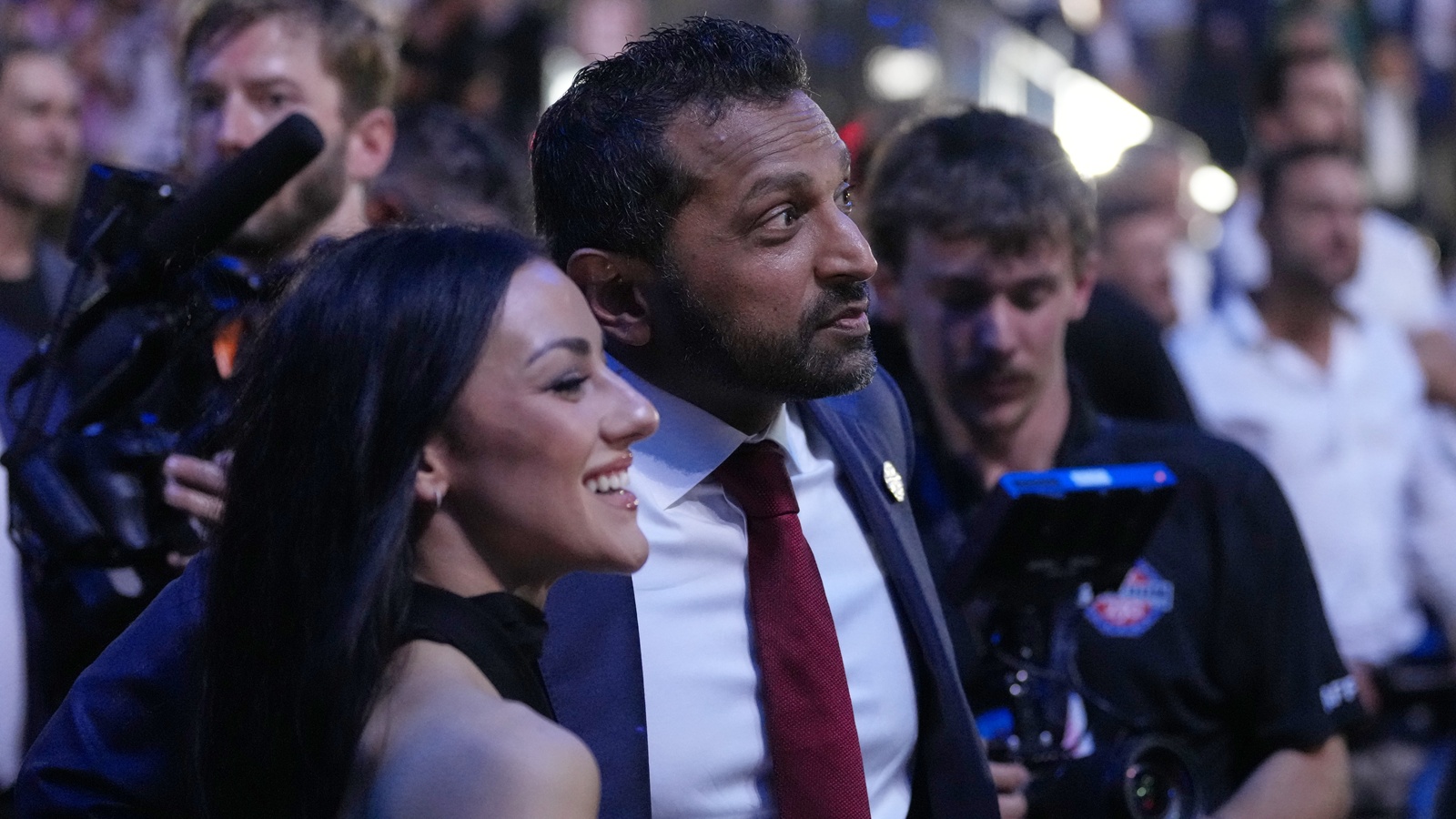
The bass does not merely vibrate in a room like this; it occupies the marrow. It enters through the soles of your sneakers, climbs your shins, and settles behind your ribs, keeping time with an artificial pulse shared by thousands.
Convention centers are strange, hollow cathedrals. For three hundred sixty-four days a year, they house forklifts, carpet rolls, and the quiet, sterile hum of industrial trade shows. But once or twice a year, they undergo a violent metamorphosis. The fluorescent grid overhead is swallowed by theatrical fog, laser arrays, and the collective body heat of a generation that has learned to translate its entire emotional vocabulary into TikTok audio snippets and limited-edition streetwear.
ComplexCon is designed to be a temple of cool. It is a sprawling bazaar where commerce and subculture perform an intricate, expensive dance. You go there to see and be seen, to trade $400 hoodies like currency, to brush shoulders with the architects of modern cool, and to pretend, if only for a weekend, that you belong to an elite caste defined entirely by aesthetic taste.
Then, the lights break.
Imagine the spatial physics of a stampede. It does not begin with a roar. It begins with a tilt. A sudden compression of air. A collective intake of breath that registers in the room before a single shout is thrown.
By the time the autumn air outside ComplexCon bit into the skin, four people were nursing injuries that would require medical attention. Police reports would later reduce the chaos to a sterile ledger: an altercation, a bloody brawl, four hurt, unconfirmed rumors swirling around rapper Lucki. The internet, starved for friction, immediately did what it does best. It flattened a terrifying human moment into a pixelated, looping two-second video clip. Out of context, stripped of sound, stripped of the sheer panic of being trapped in a human bottleneck, the footage became a Rorschach test for the digital age.
Was he the target? Was he the catalyst? Did security fail? Or did the fragile illusion of the festival environment simply crack under the weight of its own gravity?
To understand why a room full of people wearing overpriced sneakers can turn on itself in a heartbeat, you have to understand the modern alchemy of fame.
We live in an era where proximity is commodified. Platforms like
When the Bass Drops and the Floor Gives Way
celebs, entertainment, news
The bass does not just hit your chest; it owns it. At a festival like ComplexCon, the air is thick with a specific kind of electricity, a heavy cocktail of expensive cologne, fried food, brand-new sneakers still squeaking against concrete, and the collective adrenaline of thousands of people who all want to be in the exact same room. You can feel the floor vibrating through the soles of your shoes long before you see the stage. You surrender to it. You have to.
Then, the rhythm breaks.
Not the music. The room.
Crowds are strange, breathing organisms. They possess a terrifying momentum, a collective weight that can turn from a joyful surge into a blind panic in less time than it takes to blink. Imagine standing three rows deep from the barrier, the heat of hundreds of bodies pressed against your back, your arms pinned to your sides. You are safe, or you think you are safe, because the music is loud and the lights are blinding and the artist on stage is a deity in an oversized hoodie.
And then, a sudden, sharp tear in the fabric of the night.
Reports begin to trickle out, jagged and disjointed, like glass breaking in the dark. A video surfaces, jerky and illuminated by the harsh glare of smartphone screens, capturing a chaotic cluster of bodies colliding near the perimeter. Names start flying across timelines, whispered at first, then shouted. Lucki. The underground rap icon, the voice of late-night introspection and lean-soaked melodies, caught in the eye of a sudden, violent storm.
Four people injured. Police sirens cutting through the festival bass. Blood on the concrete where thousands of footsteps had danced just moments before.
We live in a culture that consumes chaos like fast food. We watch the ten-second clip on a glowing rectangle while sitting safely on our couches, looping the chaos, searching for a recognizable face, a thrown punch, a familiar jacket. We want to decode it. We want to point a finger, assign blame, and move on to the next feed item.
But consider what happens next to the people actually standing in that room.
Violence at a modern concert or cultural convergence is a profound betrayal. You buy a ticket to escape the weight of everyday anxiety, to lose yourself in a community of strangers who share your taste, your rhythm, your pulse. When the fighting starts, when fists replace lyrics and steel-toed boots meet asphalt, that sanctuary shatters permanently. Trust evaporates instantly.
The underlying reality of modern stardom is often obscured by the mythology we build around artists. We treat them as untouchable icons, avatars of cool who exist outside the messy, fragile physics of ordinary life. But Lucki, standing there in the middle of a shifting, hostile mass, is just a person surrounded by chaos. Fame does not make you bulletproof. It just makes you a bigger target for the unpredictable electricity of a crowd that has lost its mind.
Look closer at the footage. Look past the sensationalist headlines trying to squeeze clicks out of a tragedy. Look at the sheer, unfiltered panic in the eyes of the bystanders trying to carve a path to safety. Security guards, overmatched and overwhelmed, trying to stem a tide of bodies that no longer obeys gravity or reason.
This is the hidden tax of our collective obsession with live culture. We demand absolute accessibility. We want our favorite artists close enough to touch, performing in packed warehouses, convention centers, and pop-up venues where the infrastructure is often stretched to its absolute breaking point. We pack thousands of people into spaces designed for hundreds, grease the wheels with high-energy hype, and then express absolute shock when the pressure cooker finally blows its lid.
Four people went to a festival to hear their favorite songs. They left in ambulances or with bandages, their night ending in emergency rooms instead of afterparties. That is the cold math behind the glowing viral video.
The music eventually stops. The lights come up to reveal the discarded cups, the lost shoes, the dark stains on the ground that no amount of sweeping can immediately erase. The internet moves on to the next controversy within hours, chewing up the narrative and spitting out the bones.
Yet, long after the last camera has been put away and the headlines have faded into digital obscurity, the memory of that sudden fracture remains etched into the asphalt. It lingers in the minds of the people who were pinned against a barricade, wondering if the crush of the crowd would be the last thing they ever felt. It serves as a stark reminder that the culture we celebrate so fiercely has teeth, and sometimes, it bites back.