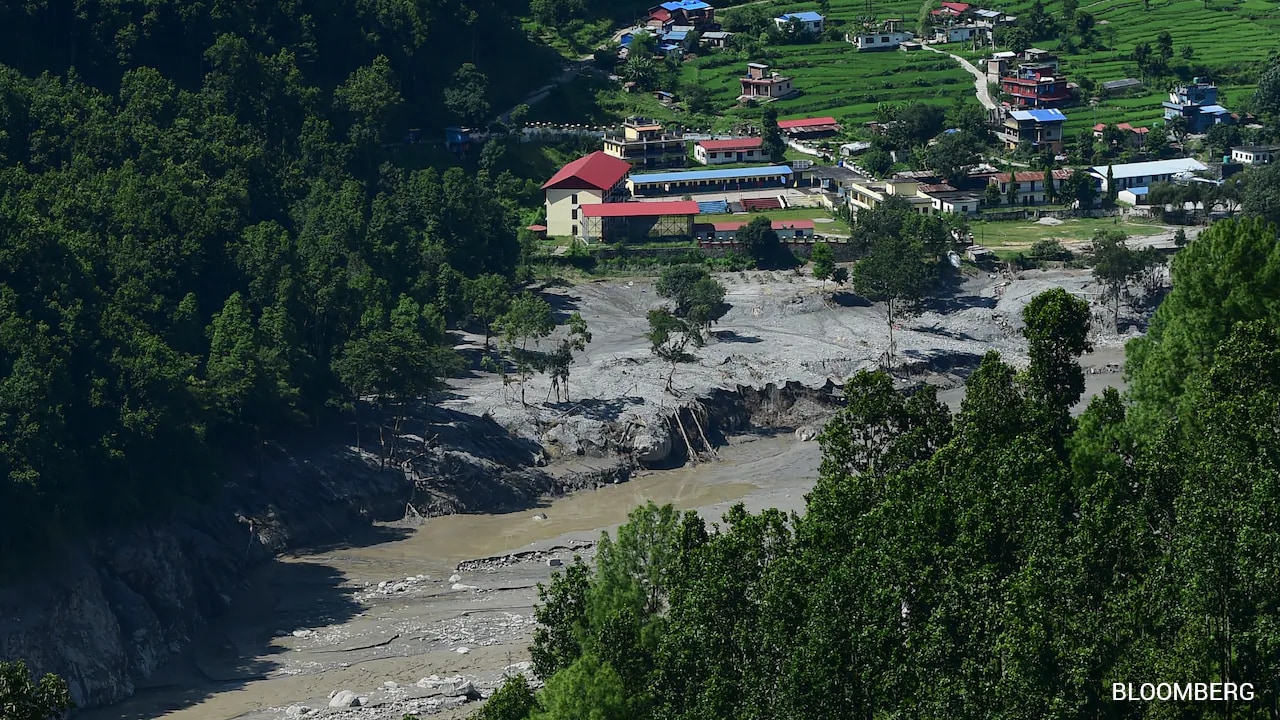
When a massive glacier collapse in the high Himalayas triggered a catastrophic flash flood, communities downstream had minutes—sometimes seconds—to run for their lives. The disaster, which left hundreds dead and thousands missing across Nepal and the Tibet Autonomous Region, laid bare a terrifying reality: the early warning systems protecting the roof of the world are failing. When water crosses international borders unchecked, red tape and missing hydrological data prove just as lethal as the rising tide itself.
If you look at how mountain disasters are handled, a glaring disconnect emerges between upstream capability and downstream vulnerability. China possesses advanced satellite monitoring and scientific resources managed by institutions like the Chinese Academy of Sciences. Nepal sits directly in the path of glacial melt and transboundary river surges, yet lacks real-time visibility into high-altitude weather events unfolding miles above its borders. When the disaster struck, official warnings from across the border arrived hours after torrents had already smashed through local settlements.
The Reality of Transboundary Blind Spots
Mountain communities shouldn't have to rely on informal phone calls or social media alerts when a glacial lake breaches. Following the catastrophe, blame bounced back and forth between local commentators and diplomatic channels. Some politicians claimed Beijing failed to sound the alarm, while Chinese officials pointed out that monitoring ice formations sitting at altitudes above 4,000 meters is an extraordinary logistical nightmare. Both arguments miss the broader systemic failure.
The core issue isn't just about finger-pointing; it's about the absence of automated, 10-minute interval data sharing. According to analyses by the U.S. Geological Survey and the Chengdu Institute of Mountain Hazards and Environment, the high-altitude collapse happened in seconds, transforming mountain slopes into destructive mudslides that traveled dozens of kilometers downstream almost instantly. When nature moves that fast, diplomatic emails and delayed committee meetings are completely useless.
Fixing the Himalayan Early Warning Gap
Nepal's Department of Hydrology and Meteorology has repeatedly pushed for robust, formalized data-sharing protocols similar to arrangements seen elsewhere in South Asia. Right now, agreements tend to focus on broad monsoon forecasts rather than granular, real-time metrics on river discharge rates, sudden ice avalanches, and glacial lake outflows.
To actually protect mountain populations, regional authorities need to implement specific operational changes immediately:
- Install automated, solar-powered hydrological stations directly on high-altitude transboundary rivers that feed into populated valleys.
- Mandate open-access, real-time telemetry pipelines between Chinese monitoring arrays and Nepal’s flood forecasting divisions.
- Shift disaster protocols away from reactive bureaucratic notifications toward automated sirens triggered directly by sudden drops in upstream water pressure or seismic ice shifts.
What This Means for Downstream Neighbors
This crisis isn't just an isolated tragedy for Nepal and Tibet. It serves as an urgent warning for other downstream nations like India and Bangladesh, which share massive river basins originating from the same volatile Tibetan Plateau. Treating river data as a sensitive state secret or a bargaining chip during political friction creates deadly vulnerabilities.
If governments continue to treat transboundary disaster management as an afterthought, climate change will routinely outpace diplomacy. Lives depend on whether authorities can turn high-level diplomatic agreements into functioning, automated warning systems before the next glacier gives way.