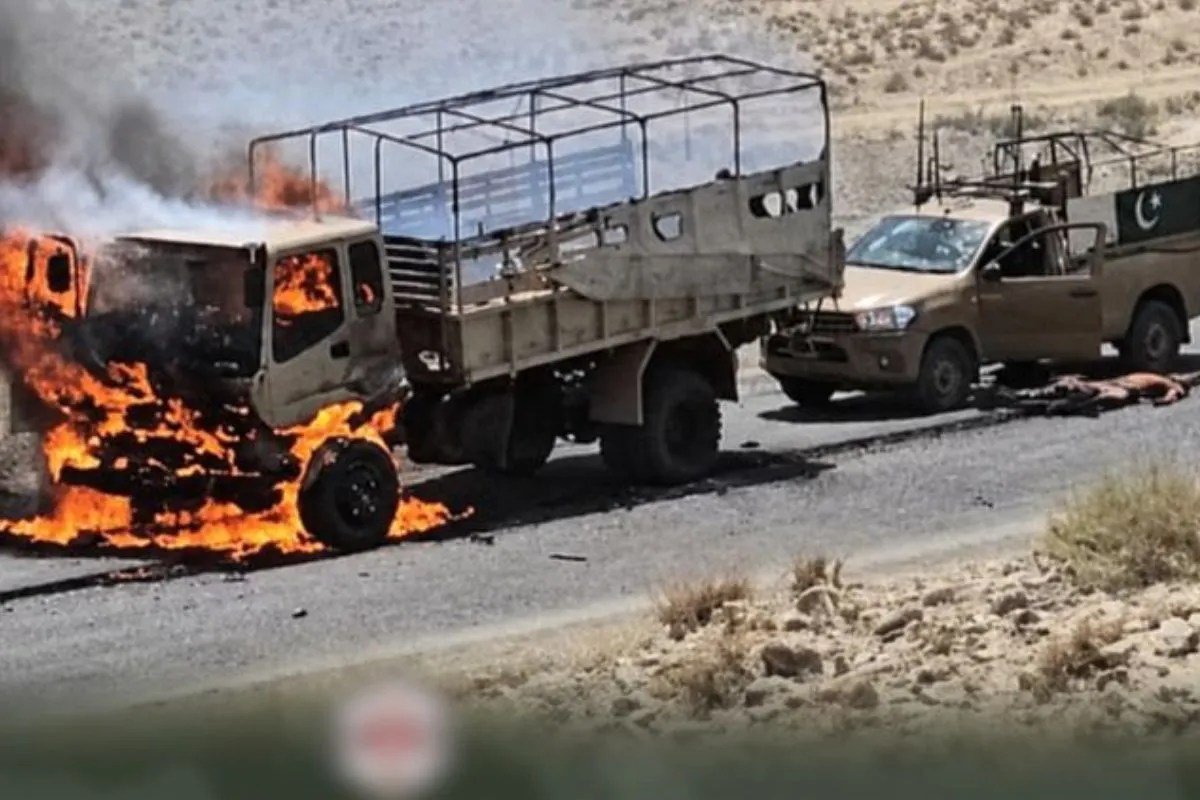
Nine days in pitch-black mud changes a person. When rescue workers pulled mechanical foreman Sanjay Sah and supervisor Kabir Maharjan from the Trishuli 3A hydropower tunnel, they defied every medical probability. Catastrophic flash floods, triggered by a glacier collapse along the border, had turned the mountain infrastructure into a tomb weeks prior. Yet, deep inside a 170-metre air pocket, two men breathed, waited, and stayed alive.
Most people write off survival after three days without water. Statistics say it is impossible. Reality, however, refuses to fit neatly into spreadsheets.
Inside the Trishuli 3A Ordeal
The disaster struck on August 26, sending walls of water, silt, and massive boulders crashing through valleys. At the Trishuli 3A project site, the damage was absolute. Entrances vanished under thick layers of debris. For nearly a week, heavy excavators clawed blindly at the blocked earth just to find where the tunnels began.
Inside the control room when the water hit, Sanjay Sah made a choice. Rather than bolting immediately, he tried to guide his colleagues to safety. That delay cost him his own exit. Trapped with a handful of others, he spent over 200 hours in total darkness.
How do you keep your mind from fracturing when the walls are made of mud and silence?
For Sah, the answer was routine and repetition. He spent his days chanting mantras and listening for the faint echoes of fellow survivors shouting through adjacent cavities. When the joint team of the Nepali Army and Armed Police Force finally broke through and heard human voices responding to their calls, the operation shifted from recovery to a desperate race against time.
Why This Changes the Search Operation
Roughly 900 workers remained missing across a dozen hydropower projects in Nepal following the floods, with an estimated 500 believed trapped deep inside subterranean networks. Before Friday's breakthrough, pessimism dominated official briefings. Heavy silt loads and mangled structural layouts made clearing every blocked passage seem like a multi-month engineering nightmare.
Finding Sah and Maharjan alive changes the tactical calculus entirely. It proves that sealed tunnel segments can form stable air pockets capable of sustaining human life well beyond the standard golden window of rescue.
Engineers and emergency teams have adapted quickly. Cross-referencing digital layout drawings shared through professional messaging networks and utilizing the precise memories of former plant employees, rescue units are pushing past initial blockages instead of assuming the worst.
When Sah was carried out on a rescuer's shoulder—caked in dried grey mud, blinking against the daylight—his very first question to the army officers wasn't about his injuries or food. He asked what day it was. He had lost track of time, but he hadn't lost his life.
Medical teams rushed both men to Kathmandu hospitals, where Maharjan faced intensive care treatment while Sah stabilized. Their survival has injected desperate momentum into an ongoing search effort across the Himalayas, reminding emergency crews that every blocked chamber still demands a careful ear pressed against the rock.