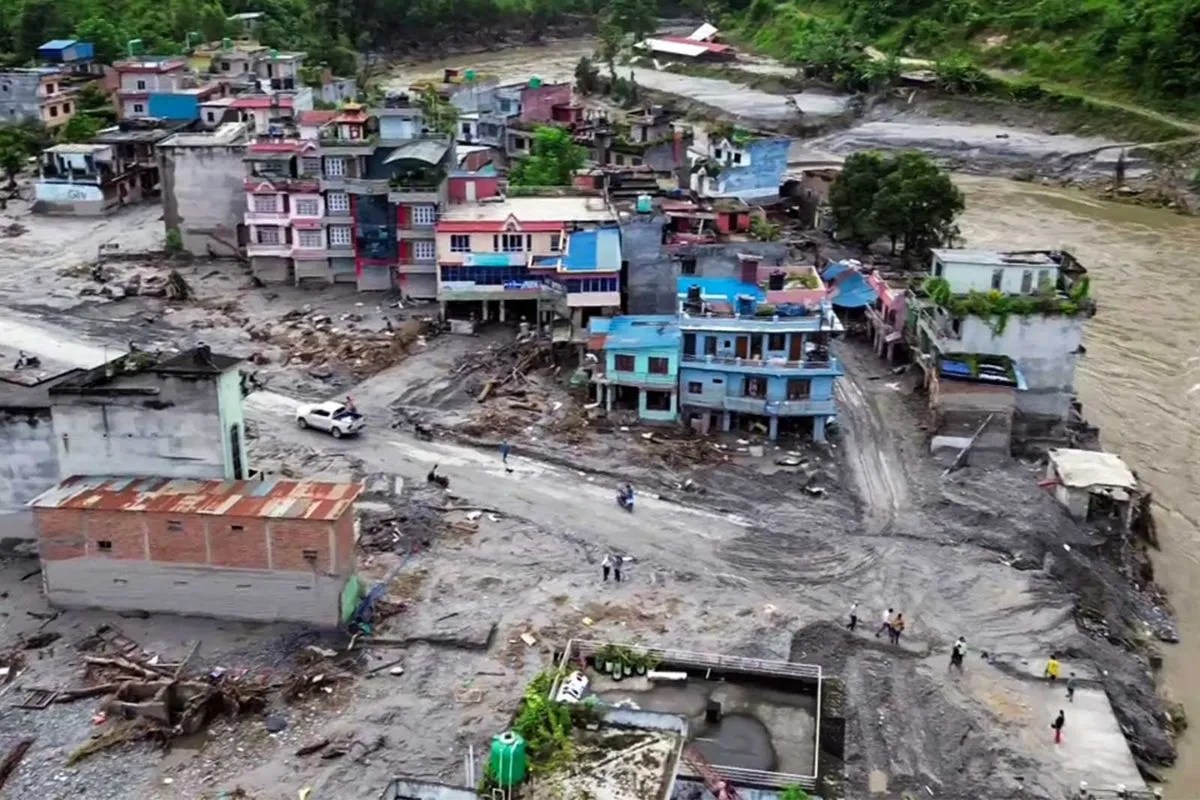
Living through erratic monsoon shifts and sudden weather alerts in South Asia teaches you one hard truth. When meteorological offices flash warnings about heavy rainfall, ignoring them is a gamble you usually lose. Following a severe sequence of natural disasters earlier this year, including devastating flash floods and rock-ice avalanches that displaced tens of thousands of residents, any fresh forecast of widespread rain across Nepal sends immediate shockwaves through vulnerable communities.
If you are tracking weather updates or planning travel through the Himalayan terrain, understanding these alerts can keep you out of harm's way. Let's break down what these recurring weather threats mean, which regions face the highest exposure, and how you can protect yourself.
Why Post-Disaster Rain Terrifies Local Communities
When ground soil is already saturated from previous deluges, it takes very little water to trigger fresh landslides. Parts of Nepal spent much of the year grappling with catastrophic debris flows, destroyed infrastructure, and displaced populations. Rivers like the Bhotekoshi and Budhi Gandaki have shown how quickly rising waters can wash away settlements and block major arteries.
When the Department of Hydrology and Meteorology flags districts for heavy rain, it is not just about getting wet. It is about slope stability, swollen river basins, and cut-off mountain roads.
High-Risk Zones and Vulnerable Districts
Weather systems interacting with moisture from the Bay of Bengal frequently target specific provinces. Historically, districts across Koshi, Madhesh, Bagmati, Gandaki, and Lumbini face the brunt of these atmospheric shifts.
- Hilly and Mountainous Slopes: Saturated soils make areas prone to sudden landslides that block vital trade and transit routes like the Prithvi Highway and BP Highway.
- Lowland Tarai Regions: Continuous heavy downpours rapidly swell rivers, leading to flash floods in flat terrain.
- High-Altitude Passes: Sudden snowstorms and rain in Himalayan districts complicate trekking routes and mountain transport.
People living near riverbanks or traveling through steep terrain need to treat these warnings as immediate cues for caution rather than background noise.
Practical Steps When a Rain Alert Hits
Meteorological warnings are only useful if you act on them. If you find yourself in a high-risk zone during an active weather advisory, keep a few critical rules in mind.
First, stop relying solely on casual glances at the sky. Weather patterns in the mountains shift in minutes. Check official updates directly from the Department of Hydrology and Meteorology before heading out.
Second, if you are traveling, avoid secondary mountain roads during peak rainfall hours. Major transport corridors frequently experience blockages from falling boulders and mudslides.
Third, if you are involved in agriculture, keep a close eye on your harvested crops. Farmers caught off guard by unseasonal rain often lose entire yields of paddy meant for drying. Move grains indoors immediately if a yellow or red alert is active in your district.
Pay attention to local advisories, keep emergency supplies handy, and never attempt to cross flooded streams or swollen local rivers. Staying safe requires respecting the unpredictability of the terrain.