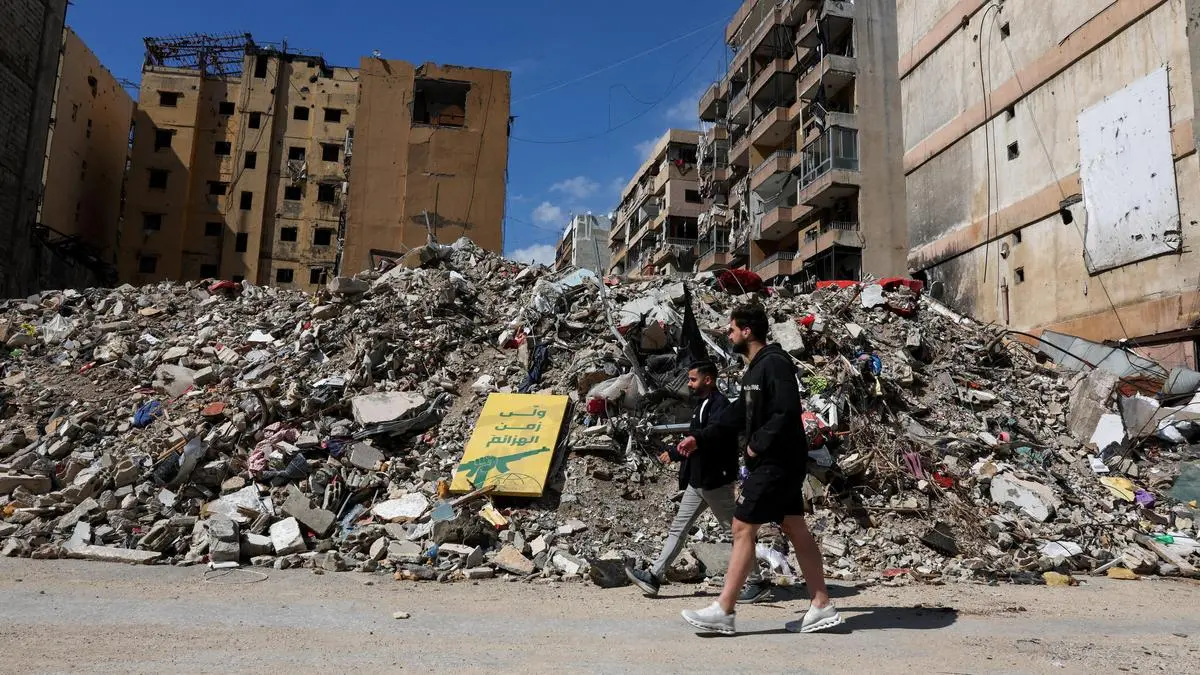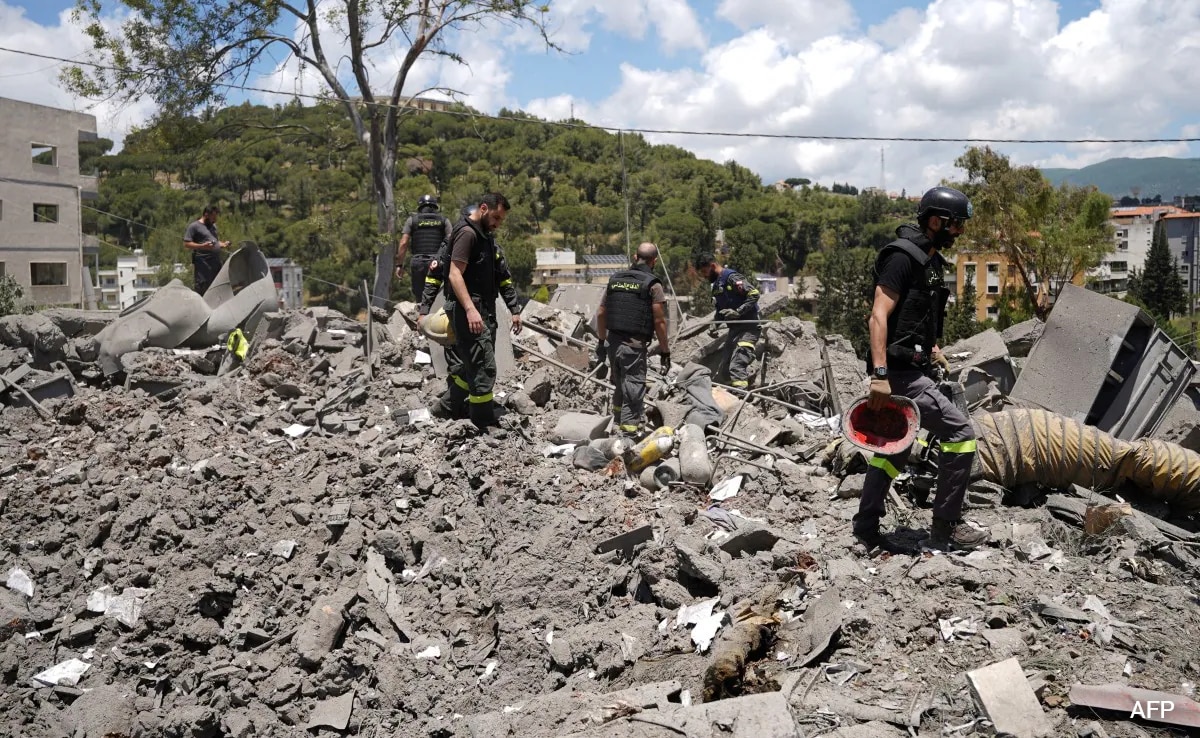
The fragile truce holding Gaza together just hit a wall. Benjamin Netanyahu openly admitted he ordered the Israeli military to seize control of 70% of the Gaza Strip. Speaking at a conference in an occupied West Bank settlement, the Israeli Prime Minister made no effort to hide his timeline or intentions. He confirmed that Israeli forces have already swallowed up 60% of the territory, pushing past the original boundaries established by last autumn's US-brokered ceasefire.
This isn't a minor border adjustment. It's a fundamental breakdown of the international agreements meant to stabilize the region. Netanyahu framed the expansion as a direct tactical operation to finish off what's left of Hamas. But on the ground, the reality looks much different. Squeezing millions of displaced people into an even smaller corner of an already devastated enclave isn't just a military strategy. It's a human catastrophe.
If you've been following the news, you know the October ceasefire was shaky from day one. Both sides traded blame for near-daily violations. But Netanyahu's latest declaration changes the calculus entirely. Israel isn't just defending a line anymore. It's actively moving it.
The Disappearing Yellow Line
To understand how we got here, you have to look at the layout of the October truce. The deal relied on a specific demarcation boundary known as the yellow line. This boundary split Gaza into two distinct zones. The Israeli army held roughly 50% to 53% of the territory, mostly along the eastern and northern borders, while Hamas retained control of the western half.
The transition to the second phase of that agreement was supposed to bring about the gradual disarmament of Hamas and a phased withdrawal of Israeli troops. Instead, the process stalled out completely. Israeli forces didn't pull back. They crept forward.
Over the last few months, the military systematically expanded its grip westward into the Hamas-controlled sectors. Netanyahu tracked this progress out loud. On May 15, he bragged that Israeli forces had reached 60% control. Now, the official directive is 70%.
What does that look like on the ground? It means a constantly expanding "no man's land" pushing deeper into western Gaza. The military claims the right to open fire on anyone entering these zones. According to data from Gaza's health ministry, more than 900 Palestinians have been killed since the ceasefire officially took effect. The UN considers these numbers reliable, and they paint a grim picture of a truce that exists only on paper.
Warlords and Local Militias Take the Lead
One of the most concerning developments in this recent push isn't just the movement of regular Israeli tanks. It's the use of proxy forces. UN briefings prepared for humanitarian agencies show that Israeli-backed armed militias are now acting as shock troops along the advancing frontline.
In the northern district of Jabalia, a militia run by a local Gaza warlord named Ashraf al-Mansi has been advancing west of the yellow line. These groups do the dirty work of clearing out neighborhoods. They show up at shelters and homes, telling residents to vacate immediately or face the consequences.
For families living near Deir al-Balah in the south, the experience is identical. Local residents report being forced out of their homes not by uniform-wearing soldiers, but by armed men working in tandem with the Israeli military's broader goals. This strategy offers the political echelon a layer of deniability while steadily clearing out the land Netanyahu wants to control.
The Strategy of Forced Displacement
While Netanyahu focuses on the military objective of squeezing Hamas, his Defense Minister, Israel Katz, dropped all pretense about the long-term vision for the population. Katz openly discussed a plan for what the government calls "voluntary migration" from the Gaza Strip.
Human rights organizations and international observers call it something else: ethnic cleansing.
If Israel permanently occupies 70% of the land, the math becomes terrifying for the civilians stuck inside. Around 2.2 million people live in Gaza. They've already survived years of bombardment and multiple rounds of displacement. If the military swallows up nearly three-quarters of the strip, those millions of people will be forced to live in less than a third of the original territory.
Imagine squeezing the entire population of a major metropolis into a handful of dense, destroyed neighborhoods with no functioning infrastructure, no clean water, and constant drone surveillance overhead. It makes life inside Gaza completely intolerable. When life becomes impossible, leaving becomes the only choice left for survival. That seems to be the exact goal.
Where Does the Peace Plan Stand Now
Netanyahu’s announcement doesn't just break the local truce; it completely upends international diplomatic efforts. The expansion violates the UN Security Council resolutions that endorsed the October ceasefire. It also flies directly in the face of Donald Trump’s 20-point peace plan, which explicitly used the yellow line as a foundational component for ongoing negotiations.
The political timing here isn't a coincidence. Netanyahu is fighting for his political survival with an election looming in the coming months. He's facing massive internal pressure from far-right coalition partners who never wanted a ceasefire in the first place. By taking a hardline stance in Gaza, alongside launching heavy military operations and expanding security zones in southern Lebanon, Netanyahu is playing directly to his nationalist base.
For the international community, the next steps are critical. Relying on the language of a dead ceasefire won't protect the millions of people trapped in western Gaza. Aid organizations operating on the ground are already re-mapping their logistics, preparing for another massive wave of displacement as the new 70% boundary takes effect.
Watch the movement around Khan Younis and the western camps of Jabalia over the next few days. If Israeli armor continues moving west, the remaining humanitarian safe zones will shrink to nothing. The international community needs to pivot from preserving a failed truce to directly addressing the forced displacement happening right in front of their eyes.