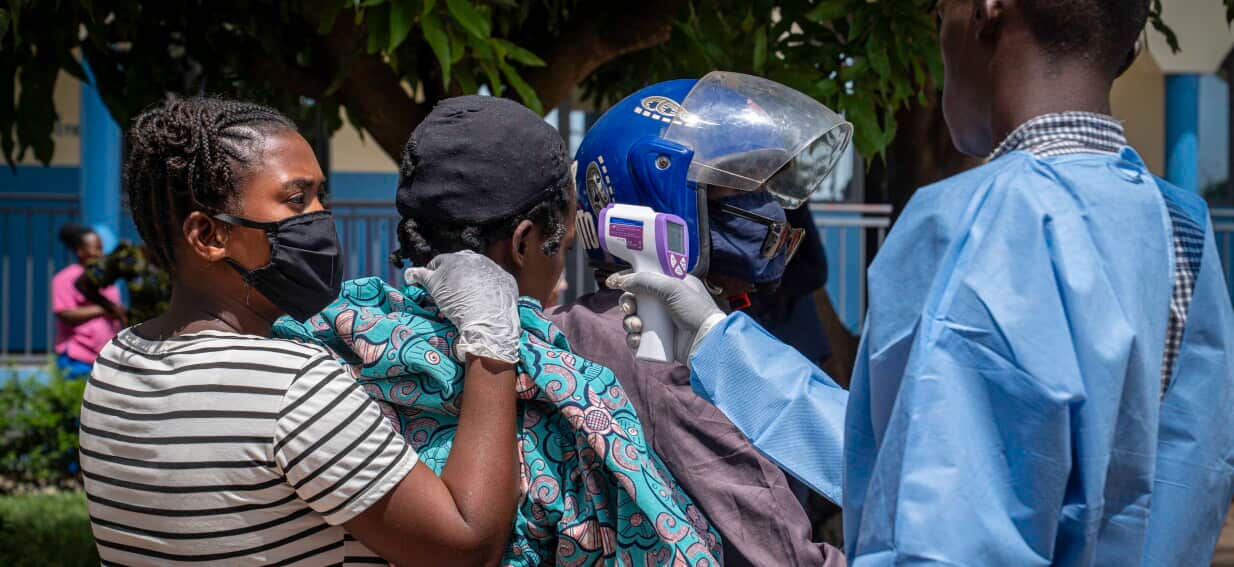
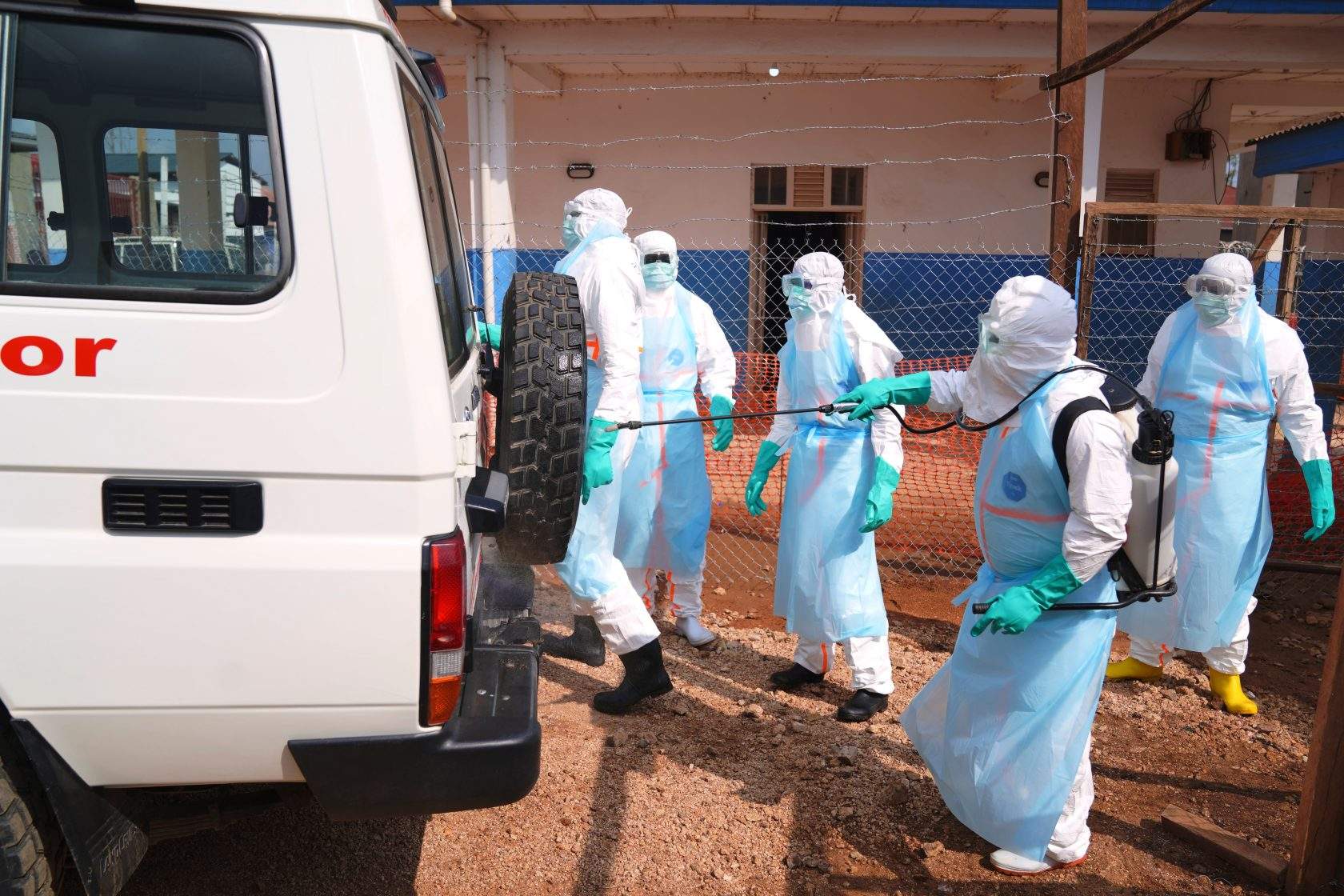
When an epidemic shatters records in a matter of weeks, standard medical responses fall short. The DR Congo Ebola death toll has rocketed past 2,000, signaling a terrifying acceleration that health officials are struggling to outrun.
If you are wondering why this outbreak feels different, the answer lies in its velocity. Health authorities formally declared the outbreak on May 15, yet genetic sequencing data proves the pathogen was already circulating undetected as early as February. By the time responders mobilized, the virus had a multi-month head start.
The Speed of the Transmission
Numbers tell a harsh story. Confirmed cases have climbed to 4,381, yielding a brutal case fatality rate of 45.9%. It took nine agonizing weeks for the death toll to hit the first 1,000 mark. It took just three additional weeks to double that number.
Africa CDC Director General Jean Kaseya pointed out that the current trajectory is rapidly outpacing historical baselines. The pathogen is moving faster than the 2014-2016 West Africa outbreak in terms of sheer early-stage momentum.
Ituri Province remains the fierce epicenter of the crisis, with infections spilling across North Kivu, South Kivu, Haut-Uele, and Tshopo. Over fifty health zones are now impacted.
Why This Strain Is Harder to Fight
Unlike previous flare-ups driven by the Zaire ebolavirus—which benefits from established vaccines and proven treatments—this epidemic is fueled by the Bundibugyo virus strain. There are currently no approved vaccines or targeted antiviral treatments specifically licensed for this strain.
Doctors are forced to rely entirely on basic supportive care. Managing dehydration and treating immediate complications without a silver-bullet pharmaceutical leaves medical teams fighting with one hand tied behind their backs.
World Health Organization regional officials admit a sobering reality. Responders are simply chasing the virus. The virus is ahead of everyone.
The Deadly Gap Outside Treatment Centers
Logistical hurdles compound the clinical challenges. Roughly 60% to 70% of deaths are occurring outside official treatment centers. People are dying at home or in communities before they ever reach professional care.
Mistrust runs deep. Fear, misinformation, and historical skepticism keep infected individuals away from isolation units. Armed violence and difficult infrastructure further isolate entire villages.
Health ministers warn that the peak has not arrived yet. Containing the damage requires an immediate influx of resources, targeted community engagement, and rapid logistical support to turn the tide before the numbers climb higher still.