Washington is redrawing the energy map of South America. Two U.S. officials confirmed that North American Blue Energy Partners (NABEP) is taking over strategic Venezuelan oilfields previously controlled by Chinese and Russian firms. This move isn't just about corporate shuffling. It marks a total rewrite of geopolitical power lines in the oil sector.
If you've been watching global crude markets, you know foreign rivals spent years embedding themselves into Venezuela's upstream infrastructure while Western majors sat sidelined. Now, that architectural layout is breaking down. NABEP, backed by American interests and managed by Venezuelan businessman Alejandro Betancourt alongside oil magnate Harry Sargeant, is stepping into the driver's seat. Don't miss our earlier article on this related article.
Inside the NABEP Deal and What Washington Actually Gets
The scale here is massive. President Donald Trump recently announced that the U.S. secured access to roughly 64 billion barrels of Venezuela's proven reserves through private sector partnerships. Under this arrangement, NABEP is set to control 17 total projects in the country, featuring 14 newly granted contracts.
The structural terms give the U.S. government direct operational levers. Washington holds a 35% equity stake in NABEP alongside preferential access to 20% of production at cost. On top of that, the U.S. State Department retains a right of first refusal for the remaining 80% of output, while American citizens must make up the majority of the board under U.S. veto power. To read more about the history here, The Motley Fool offers an informative summary.
This setup effectively pushes out competing state-backed entities. Five of the newly assigned fields were previously run by Chinese companies under Nicolas Maduro's administration, including China National Petroleum Corp and Sinopec, alongside China Concord Resources—which faced U.S. sanctions back in 2019. A separate field was tied to Russian operations, while other projects trace back to affiliates of Alex Saab and relatives of Maduro's inner circle.
Redirecting Crude Back to U.S. Refineries
For decades, heavy sour crude from Venezuela flowed east or remained trapped under heavy sanctions. Officials note that this transition instantly reroutes supply lines. Instead of barrels heading to Asia to feed foreign competitors, the objective is feeding refineries along the U.S. Gulf Coast.
Refiners in Texas and Louisiana desperately need heavy crude blends to optimize their processing units. Venezuela's extra-heavy oil from the Orinoco Belt matches what those Gulf Coast facilities were built to handle. By routing production back to American shores, the White House aims to secure domestic supply while choking off revenue streams that previously supported sanctioned nations.
The Legal and Operational Hurdles Ahead
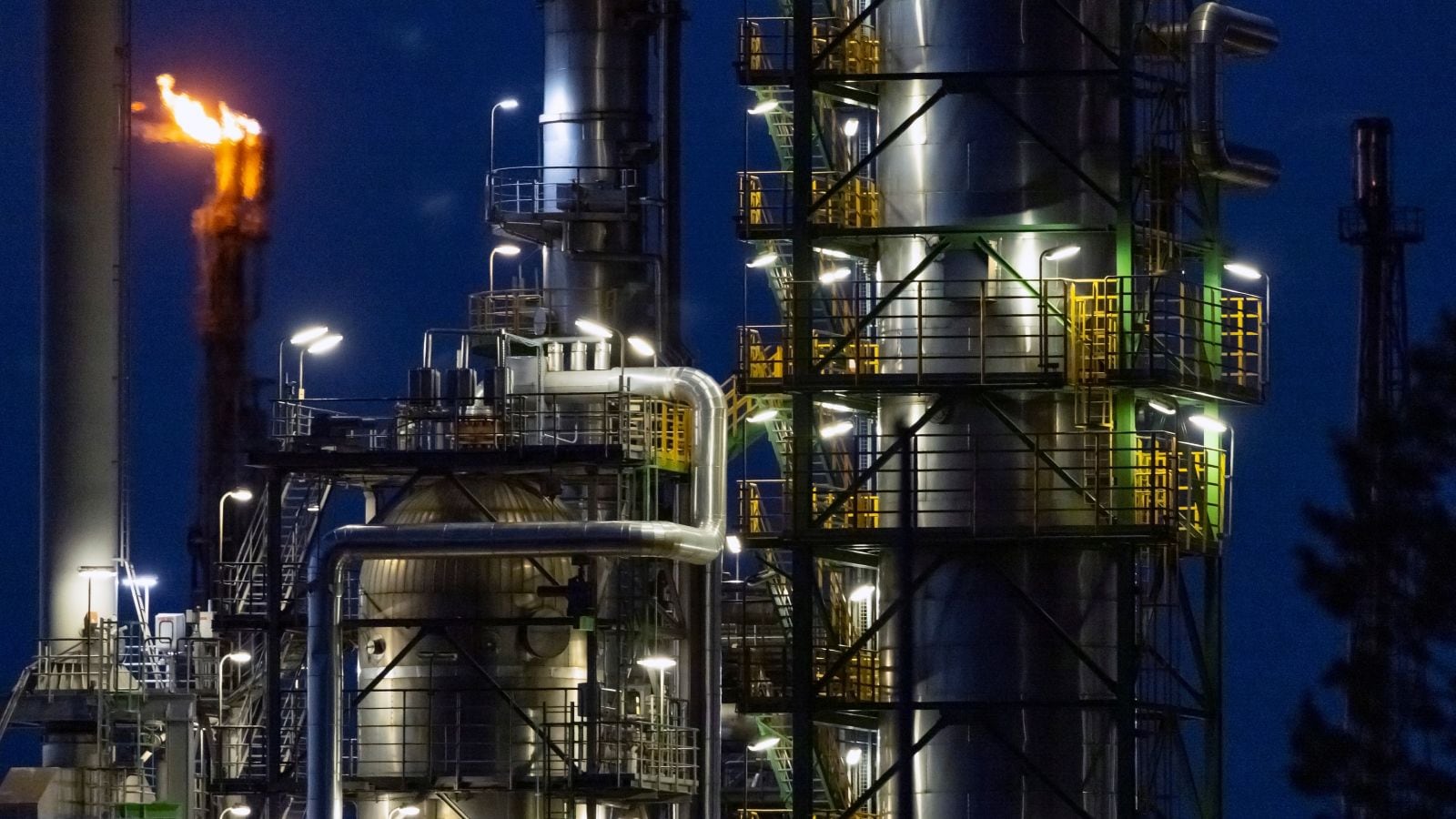
Moving a headline agreement on paper into actual physical barrels flowing out of Lake Maracaibo or the Orinoco basin is an entirely different battle. Venezuela's physical infrastructure has suffered from years of underinvestment, deferred maintenance, and severe power instability. Pumping oil isn't just about signing contracts; it requires working diluents, functional pipelines, and stable export terminals.
Displaced operators and legal entities won't vanish quietly either. Past interventions show that international arbitration claims and contractual disputes follow fast behind asset reallocations. NABEP and its backers face a heavy lift to restore production capacity while navigating lingering constitutional questions around Venezuela's broader political transition and negotiations involving the 2015 National Assembly.
Watch the tanker tracking data and crude differentials over the coming months. Physical export volumes will tell the real story of whether this energy pivot translates into barrels on the water or remains trapped in political rhetoric.