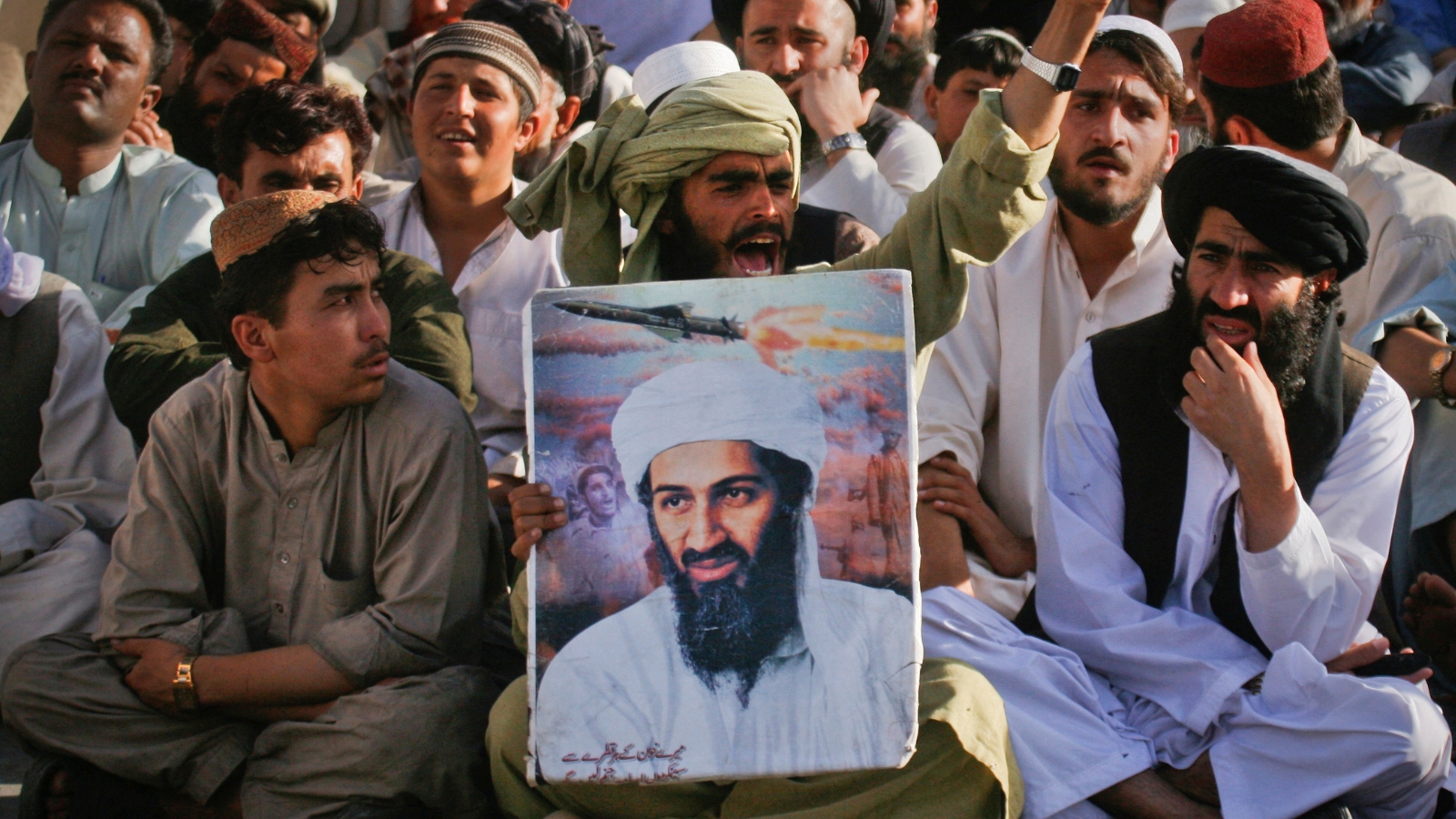
For twenty-five years, people have argued about what Washington knew before the towers fell. Now, the Central Intelligence Agency has dropped 71 President's Daily Briefs spanning from early 1998 to September 12, 2001. It's the largest single release of its kind. Forget the talking points. The raw documents show an intelligence community drowning in warnings, chasing ghosts, and failing to connect dots that now look glaringly obvious.
The narrative that nobody saw this coming is flat-out wrong. These papers prove the opposite. Analysts tracked Osama bin Laden relentlessly. They knew his mindset. They knew his geography. They even knew his methods.
The Warnings Started Years Early
If you think the threat materialised in the summer of 2001, look at the timeline. Back in July 1998, a brief carried a stark title: Reports That Bin Ladin is Planning Attacks Inside the US. Another from September 1998 explicitly warned that al-Qaeda might fly an explosive-laden commercial aircraft into an American city, pinpointing Washington as a primary target.
Think about that. Three years before the attacks, the math was already on paper.
The intelligence apparatus wasn't blind; it was overwhelmed. Every single week brought a fresh flood of chatter, threat streams, and unverified tips from informants. Analysts sat in Washington trying to separate actual operational plans from noise. When you have a hundred high-priority threats coming in at once, individual signals tend to flatten out.
Tracking Unconventional Weapons
The files also expose an obsession with non-conventional threats that overshadowed low-tech plotting. Intelligence officers spent massive amounts of energy investigating whether al-Qaeda could acquire chemical, biological, or radiological materials.
Assessments from early 2001 focused heavily on bin Laden's pursuit of dirty bombs and crude biological agents. Analysts worried about poisons and explosives enhanced with radiation. Terrorists wanting to build a radioactive weapon naturally draws more immediate panic than extremists learning how to pilot domestic airplanes.
When leadership worries about weapons of mass destruction, a group booking flight simulator training looks like a secondary problem. That psychological bias shaped how decisions got made at the top.
The Taliban Barrier
Mullah Omar complicates the entire historical record. The declassified briefs detail how deeply embedded bin Laden was within Afghanistan and why moving him proved nearly impossible. The Taliban owed him literal debts from the Soviet-Afghan war. More practically, the regime relied heavily on drug trafficking revenue and financial backing tied into extremist networks.
US intelligence saw this friction clearly. Briefers noted that bin Laden often manipulated Taliban leadership, telling them he had no immediate plans to strike the West while simultaneously plotting operations. Omar protected him out of a mix of ideological loyalty, shared history, and financial survival. Diplomatic pressure didn't stand a chance against those dynamics.
Why the System Stalled
Having information isn't the same as stopping a plot. The fundamental flaw laid bare by these documents is structural fragmentation.
- Domestic agencies kept separate files from foreign intelligence collectors.
- Information arrived in fragments, often stripped of context or timing.
- Source reliability varied wildly, forcing analysts to treat credible plots with the same skepticism as fabricated tips.
A July 2001 brief noted that a specific bin Laden operation had hit delays, but others remained active. An August report praised al-Qaeda's operational flexibility, highlighting how decentralized cells could choose their own timing without tipping off central communications. The architecture of the network protected it against traditional surveillance.
What the Day-After File Shows
The collection includes one document written after the disaster: a situation report delivered to the White House roughly twenty hours after the first plane hit. It confirms that extremists across Afghanistan and the Persian Gulf possessed prior knowledge that an operation was imminent. Within those circles, the concept of a major strike against America had baked into common knowledge.
Transparency matters, but these papers don't completely rewrite history. They confirm what historians and the 9/11 Commission suspected for decades. The United States government possessed thousands of puzzle pieces. No single analyst held the box top to see the completed picture until it was far too late.
Review these primary sources directly through the CIA archives if you want to understand the exact wording security officials read over their morning coffee. Look past the redactions. The real failure wasn't a lack of warning; it was a failure of imagination when facing an enemy willing to turn domestic transit into weapons.


