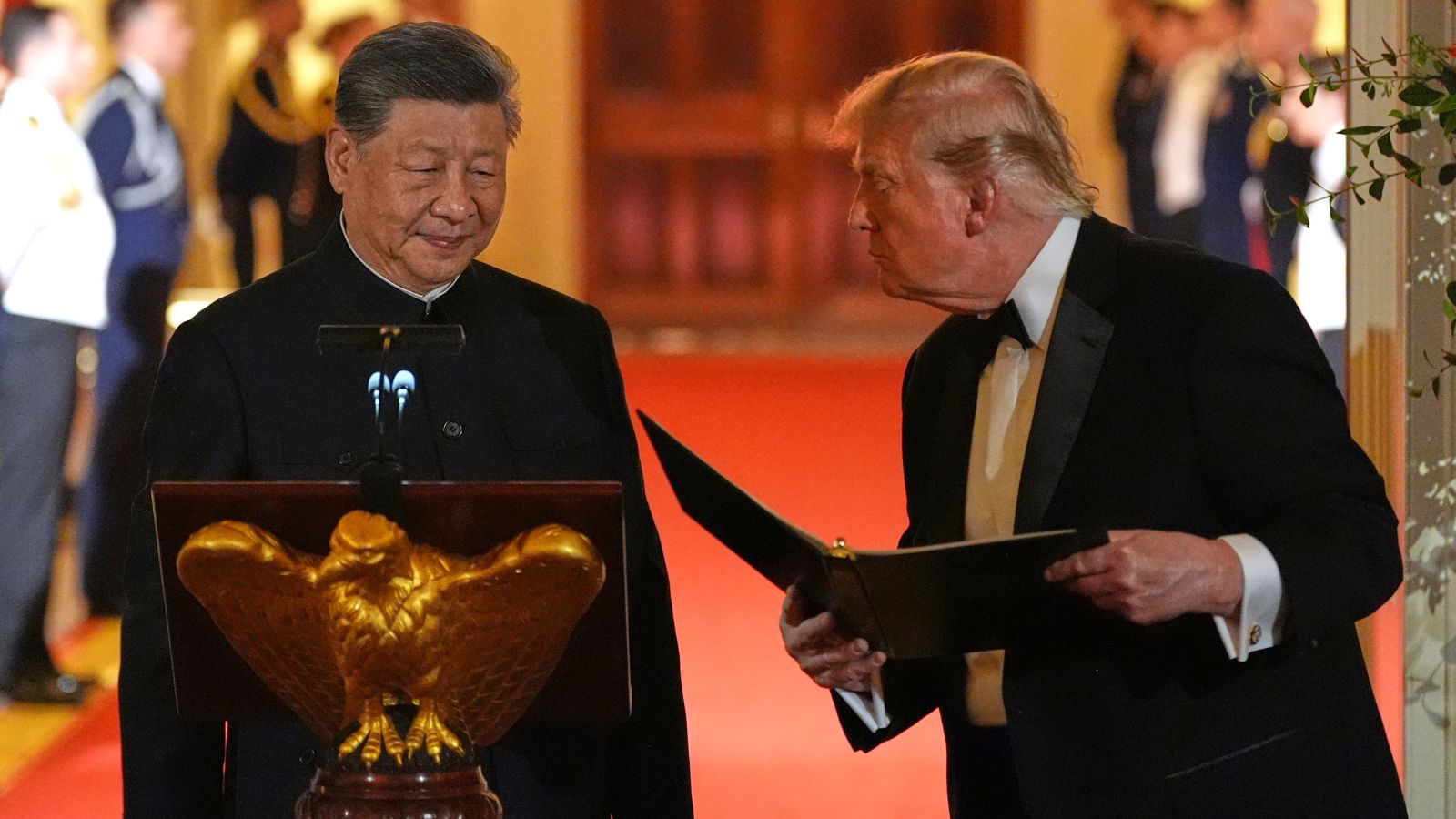
Crystal chandeliers do not care about trade deficits. They do not tremble over currency manipulation, nor do they hold opinions on maritime boundaries in the South China Sea. On a crisp autumn evening inside the White House, those lights simply rained illumination over two hundred people who held the fragile balance of the modern world in their cupped hands.
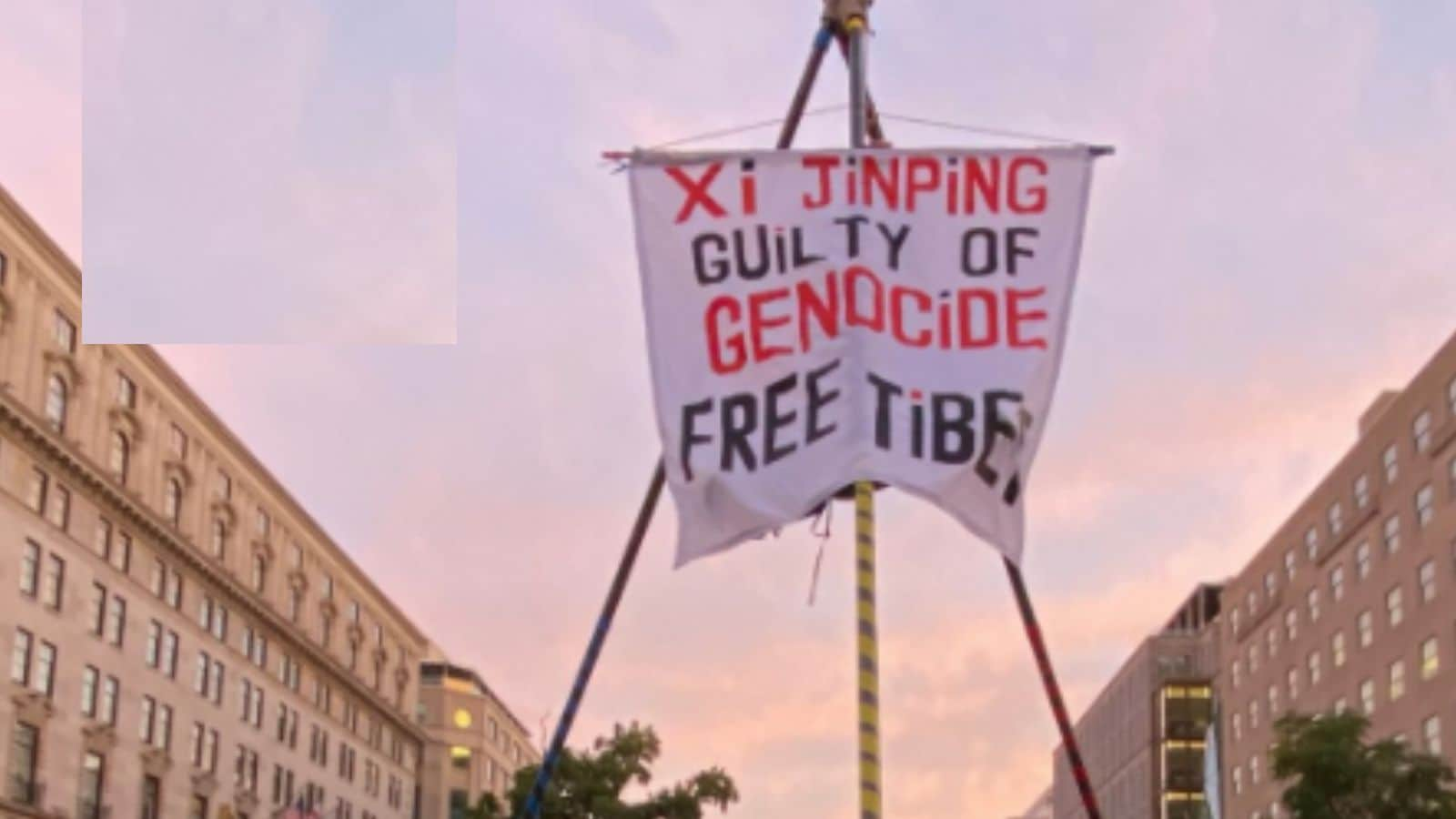
Silver gleamed. Champagne chilled. Outside the iron gates, protesters chanted slogans into megaphones, their voices muffled by thick, bullet-resistant glass. Inside, history wore custom-tailored Brioni and silk floor-length gowns. You might also find this similar story insightful: Italy is Shuffling Deck Chairs on the Titanic While Schools Collapse.
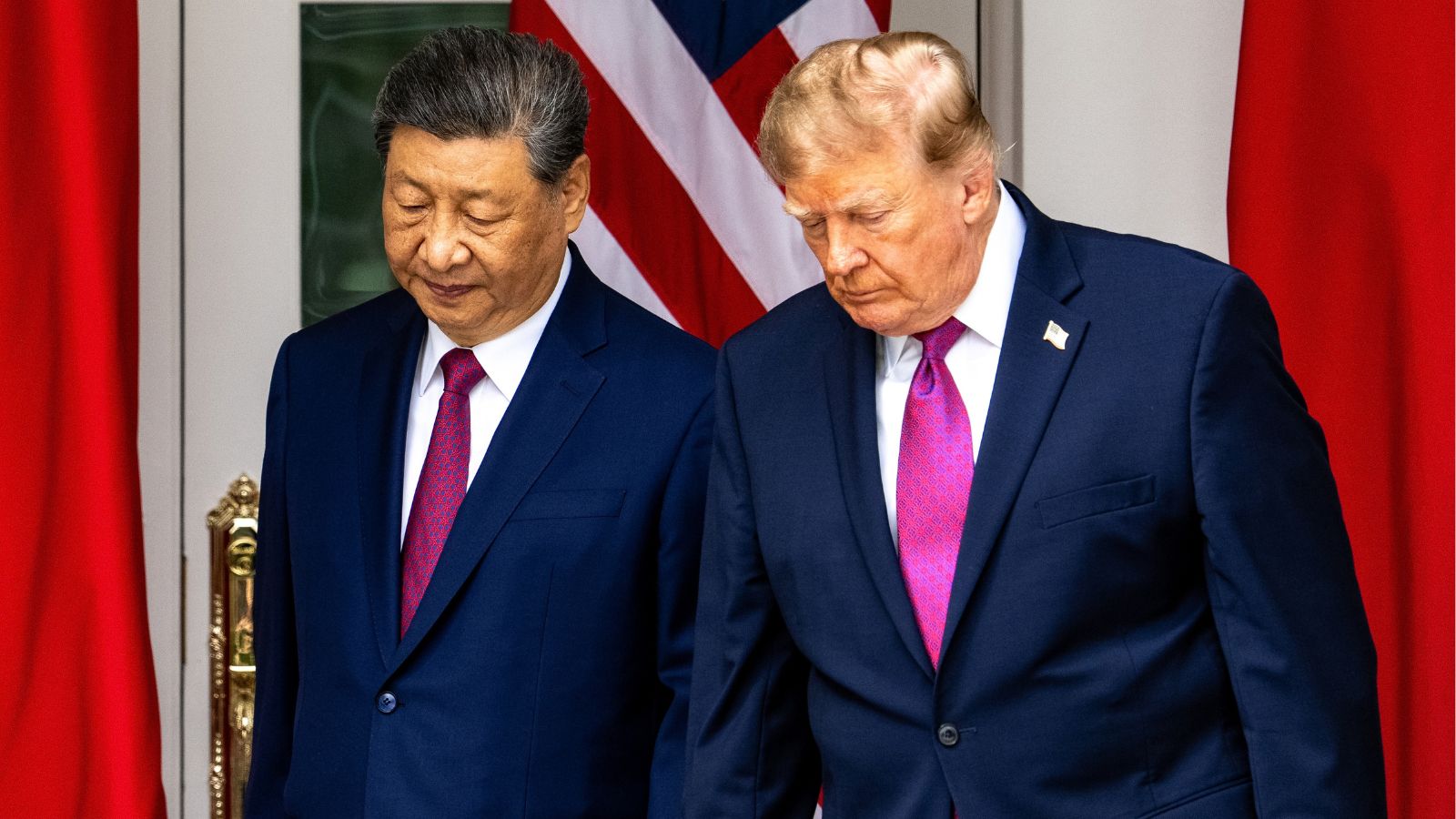
Xi Jinping had come to Washington. It was September 2015. President Barack Obama and First Lady Michelle Obama stood in the Grand Foyer, executing the timeless choreography of American statecraft. This was not merely a dinner. It was a high-stakes theatrical production where every seat at every table telegraphed a message. Who sat at the head table? Who was relegated to the periphery near the kitchen doors? In the strange, insular ecosystem of global diplomacy, seating charts are poetry written in power dynamics.
Consider what happens when superpowers break bread. As discussed in detailed reports by NPR, the effects are widespread.
Every fork lifted is scrutinized by intelligence analysts in Langley and Beijing. Every smile captured by a pool photographer is parsed for micro-expressions. Is Xi leaning in? Does Obama look tired? The guest list itself was a masterclass in calculated signaling, bringing together captains of industry, Silicon Valley titans, Hollywood executives, and seasoned diplomats to stare across the china plates at one another.
Among them walked Tim Cook, Apple chief executive, whose supply chains bound the two economies together with invisible threads of silicon and aluminum. Mark Zuckerberg was there too, navigating the room with the awkward posture of a digital emperor trying to master the analog rituals of state. Jeffrey Katzenberg mingled near the orchids. Diplomats like Henry Kissinger, ghosts of past rapprochements, moved through the crowd like elder statesmen surveying the kingdom they helped construct.
They came to eat Maine lobster and herb-crusted lamb. But mostly, they came to breathe the same air, testing whether the tectonic plates of the global order could shift without grinding into dust.
There is a strange loneliness to absolute power. When you walk through a room filled with billionaires, cabinet secretaries, and tech monopolists, you are surrounded by people who have stopped hearing the word no. Yet, under the White House tent that night, a heavy quiet hung over the room between the clinking of glasses. Everyone knew the stakes. The rise of China was no longer a distant academic projection or a headline buried in financial sections. It was here, wearing a dark suit, speaking through an interpreter, sipping American wine.
The menu was American-inspired with subtle nods to Chinese culinary heritage, curated by celebrity chef Marcus Samuelsson. It was designed to bridge divides through the universal language of flavor. Yet, taste buds cannot dissolve tariffs.
Down the long tables, conversations drifted from corporate mergers to cyber espionage, though never quite above a murmur. A Hollywood mogul might find himself seated next to a senior Chinese trade official, forced to find common ground between box office returns in Shanghai and intellectual property laws in California. These encounters look effortless on television. In reality, they are exercises in high-wire tension. One clumsy joke, one misconstrued idiom, and the diplomatic air turns as cold as the ice sculptures.
History is often taught as a sequence of grand, bloodless dates. 1776. 1914. 1945. We forget that history is lived by human beings with dry throats, sweating palms, and sore feet from standing in patent leather shoes for hours.
Picture a hypothetical junior policy advisor stationed in the West Wing that evening. Let us call him David. David spent three weeks verifying the phonetic spelling of visiting delegates' names, losing sleep over whether a misplaced honorific might trigger a diplomatic snub. When the doors finally opened and the guests began to file in, David stood behind a towering column, clutching a clipboard like a shield. He didn't care about the lobster. He cared that the teleprompter worked, that the security detail remained invisible, and that the fragile illusion of harmony held together for just four more hours.
That is the hidden engine of international relations. Not just grand strategists drawing lines on maps, but exhausted staffers fueled by lukewarm coffee, praying that nothing breaks.
The guest list read like a census of global ambition. You had Satya Nadella of Microsoft alongside Susan Rice and John Kerry. You had artists, musicians, and philanthropists, each included to project a specific image of American pluralism. Diversity meets might. Soft power wrapped in hard realities.
When the speeches finally began, the tone shifted from polite small talk to careful positioning. Obama spoke of constructive cooperation and managing differences. Xi spoke of mutual respect and win-win outcomes. The words were diplomatic armor, polished over months of backroom negotiations. They were meant to reassure nervous markets and wary citizens watching from home.
Yet, as the night wound down and the heavy oak doors swung open to let the crisp night air rush in, a different reality set in.
The guests stepped out into the humid Washington night, sliding into the leather-lined interiors of waiting black SUVs. The tail lights bled red against the wet pavement. Within hours, the banquet hall would be stripped bare, the silver polished, the rented china packed away into crates. The ephemeral kingdom built under the White House tent would vanish as if it had never been.
What remains after the state dinner ends?
Not the lobster. Not the champagne. Not even the glossy photographs of world leaders smiling under chandeliers. What remains is the slow, grinding work of coexistence. The realization that giants must share the room, whether they like the company or not.
The security gates closed. The protesters packed up their megaphones and drifted into the subway stations. Across the Pacific, morning was already breaking over the skyscrapers of Shanghai, where a billion people woke up to go to work in the world these few hundred people were trying so desperately not to break.