Time does not always march forward. Sometimes, in the window
The Long Wait in the Shadow of the Red Fort
news
Note: This story bridges news and lifestyle, focusing on human endurance.
Calendars do not measure time in a cell. A cell measures time in the slow, rhythmic dripping of a leaky pipe, the shifting angle of a dust-mote-filled shaft of sunlight, and the heavy, metallic clank of a bolt sliding home. Nine years. That is three thousand two hundred and eighty-five mornings waking up to walls that neither age nor change, wondering if the outside world has forgotten your name, your face, or the sound of your voice.
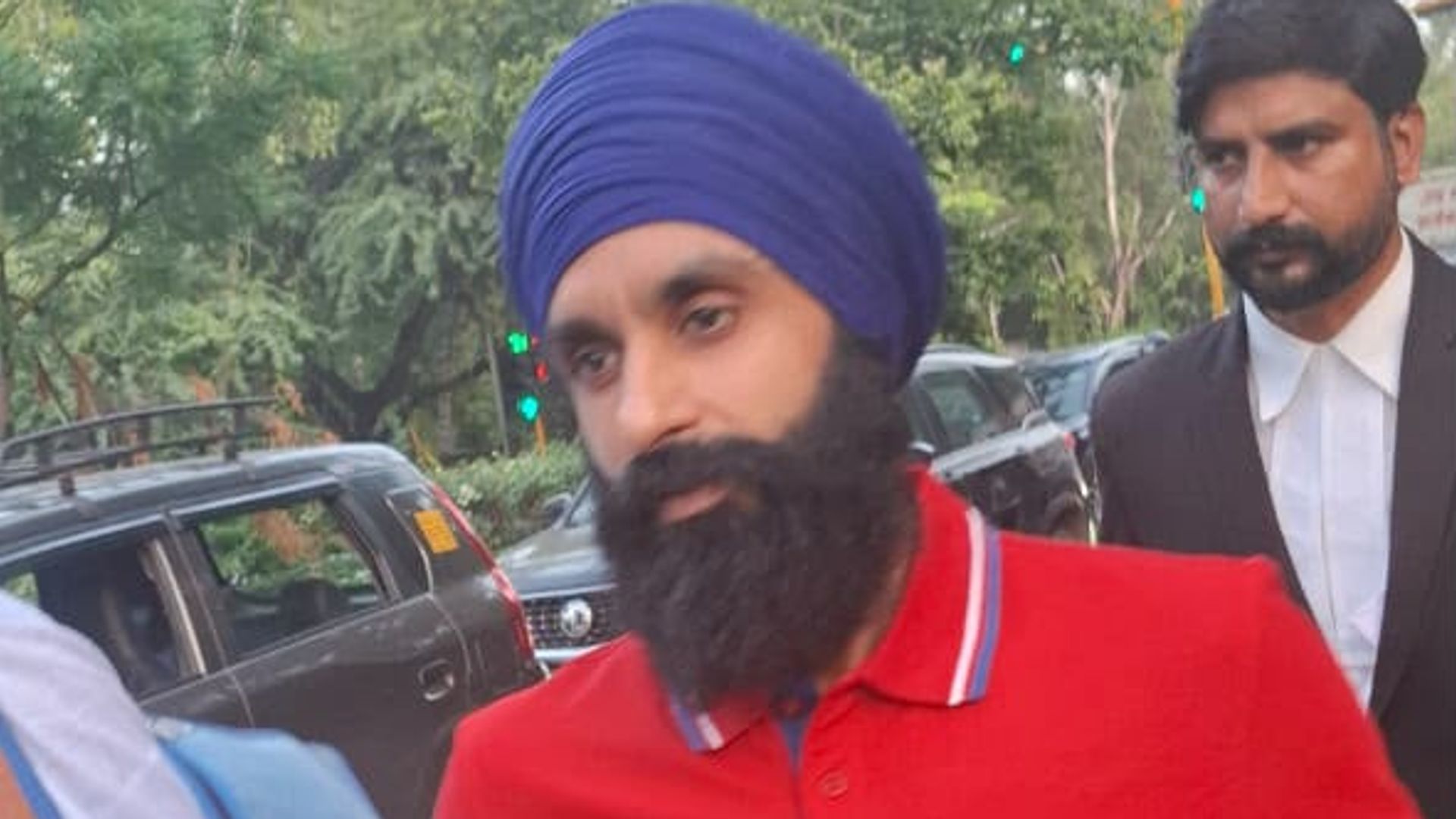
For Jagtar Singh Johal, a British national, those years settled over him like a shroud in an Indian prison. Arrested back in 2017 during a trip for his wedding, his life was suddenly partitioned into a before and an after. The details of his case drifted through the international press like distant static—legal filings, bureaucratic delays, court dates postponed, whispered diplomatic negotiations behind closed doors. Headlines summarized his existence into neat, bloodless metrics: "Briton jailed in India for nine years."
Numbers are comfortable. Numbers let us scroll past the tragedy. But behind that statistic is a human being who missed nearly a decade of living.
Consider what happens next in a life put on pause.
When a person is locked away for that long, the world outside does not wait; it sprints. Streets change names. Technology morphs into something unrecognizable. Friends marry, have children, grow old. Parents age prematurely, their hair turning to ash while they fight foreign legal battles from thousands of miles away, armed with little more than hope and petitions. For the prisoner, time turns into a flat circle. Every day is a carbon copy of the last, save for the erosion of hope.
Rights groups had long raised the alarm, pointing to the agonizing stretch of pre-trial detention and the grim conditions of a penal system strained to its absolute breaking point. International scrutiny flickered like a dying candle, catching the attention of lawmakers in London, human rights advocates in Geneva, and family members who refused to let the silence swallow him whole. Campaigners argued that justice delayed is not merely justice denied—it is a quiet, slow-motion erasure.
And then, the anchor finally slipped.
Bail. A word that sounds weightless, yet carries the force of a tectonic shift.
When the news broke of his release on bail, it did not arrive with a cinematic explosion of confetti or a triumphant brass band. Real life rarely works that way. It came through the rustle of court papers, the hurried whispers of legal counsel, and the cautious, trembling breath of a family bracing themselves for a reunion they had almost stopped daring to dream about.
Walking out of those gates does not mean the story is over. The physical walls may vanish, but the internal architecture of captivity lingers. How do you re-enter a world that has kept spinning without you? How do you look at an open horizon when your eyes have adjusted to the gloom of concrete corners?
The paperwork will clear. The flights will be booked. But the nine years carved out of a man's existence cannot be refunded by any court on earth. They remain suspended in the air, a stark reminder of the fragile boundary between ordinary life and extraordinary endurance, and the immense, quiet weight of what it means to finally step back into the sun.


