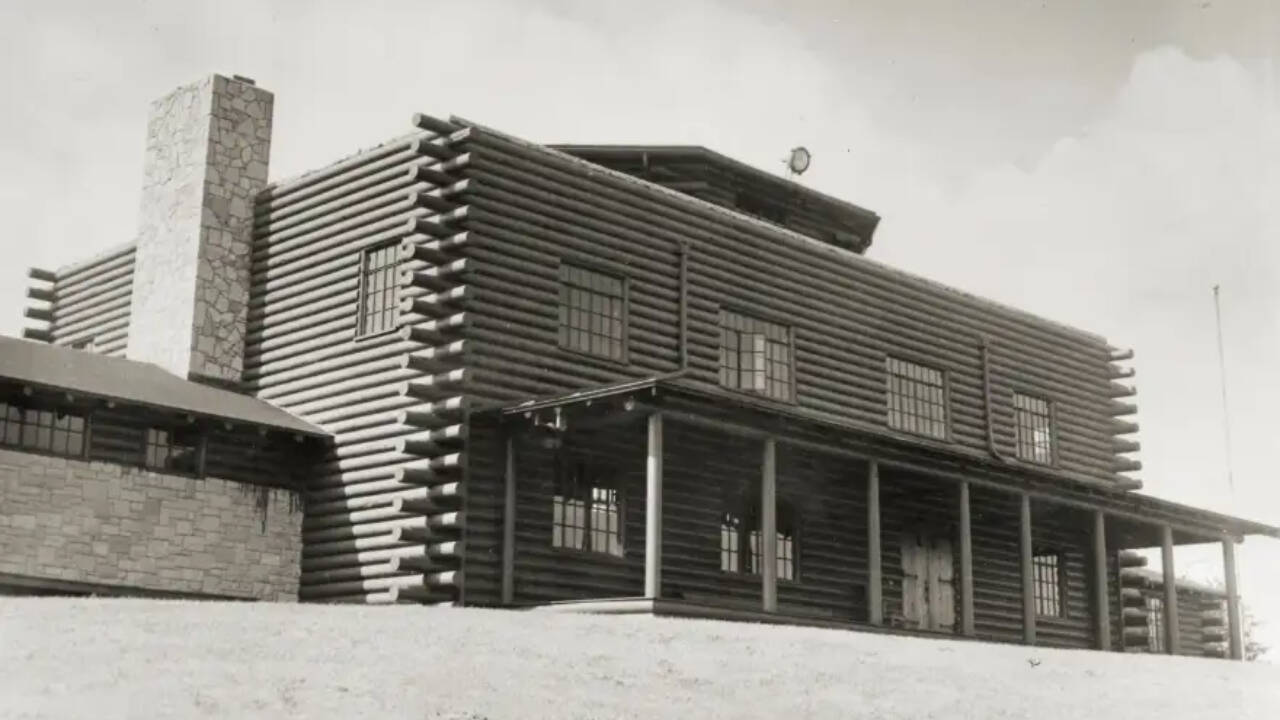
Everyone loves a good comeback story. The romantic public laps up the narrative of a fallen architectural icon rising from the ashes, complete with a dusty time capsule pulled from the floorboards like Excalibur from the stone. Travel media outlets are tripping over themselves to celebrate the revival of the Indiana Dunes lodge project, framing a half-century absence as a heroic endurance test.
It is not a triumph. It is a symptom of an industry suffering from a catastrophic lack of imagination.
I have spent two decades watching real estate developers and hospitality boards hemorrhage capital trying to resurrect ghosts. They mistake sentimentality for market demand. They assume that because people remember a place fondly from childhood road trips, they will pay modern resort prices to sleep in a glorified historical reenactment.
The Fallacy of the Half Century Gap
The lazy consensus in the travel press treats the fifty-year dormancy of the Indiana Dunes accommodation project as a tragedy of time. The common narrative blames bureaucratic red tape, shifting state park priorities, and environmental pushback.
That framing ignores the economic reality. The lodge closed in the first place because the math stopped working. Publicly owned park lodgings built in mid-century midwestern America operated under a vastly different economic model. They relied on heavy state subsidization, cheap construction standards of the era, and captive domestic tourists who had fewer choices before budget airlines democratized international travel.
Leaving a prime piece of shoreline vacant for fifty years is not preservation. It is economic abandonment masked as environmental stewardship. When a hotel sits shuttered for five decades, the surrounding ecosystem evolves. The park changes. Local tourism patterns mature. Dropping a multi-million-dollar modern lodge into that changed dynamic under the banner of heritage tourism creates an immediate friction point between nostalgic fantasy and modern visitor expectations.
Imagine a scenario where a private developer builds a sleek, minimalist eco-pod compound instead of a traditional resort hotel. The outcry would be deafening from the heritage preservation crowd. Yet, those minimalist pods would align with how modern travelers actually interact with fragile natural environments. They want low-impact, high-efficiency immersion. They do not want a grand lobby wrapped in faux-historical timber panels trying to look like it belongs in 1974.
The Time Capsule Trap
Let us address the time capsule gimmick found during the renovation. Reporters love a time capsule because it requires zero analytical thinking. You dig up some rusted keys, a pristine brochure, and a local newspaper from the Nixon administration, and you have instant copy.
It acts as emotional sleight-of-hand. It distracts the public from asking the hard questions about room rates, operational subsidies, and long-term environmental carrying capacity.
Nostalgia is a terrible business plan. People visit the past for free in their memories; they expect to pay for premium comfort in the present. If the core value proposition of your new resort relies on what used to stand there fifty years ago, you have already admitted your product cannot stand on its own merits today.
Look at the numbers behind state park hospitality concessions. High construction costs driven by modern environmental compliance mean that capital expenditure per room is astronomical. To service that debt, operators must push nightly rates to levels that alienate the very families the state parks are mandated to serve. You end up with a luxury facility sitting inside a public park, catering to a demographic that could easily afford a weekend in Michigan or Wisconsin.
The Real Environmental Cost
The loudest proponents of these park lodge revivals usually wrap themselves in green rhetoric. They talk about sustainable tourism and connecting urban populations to nature.
Let us be brutally honest about what happens when you drop a massive hospitality footprint into a sensitive dune ecosystem. Dunes are dynamic, fragile environments. They shift. They erode. Paving access roads, installing commercial-grade plumbing, and managing high-density human traffic require aggressive engineering interventions that fight nature rather than respect it.
True ecological stewardship means restricting human intrusion, not building multi-story monuments to overnight stays right next to the shoreline. If the goal is truly to increase access to the Indiana Dunes, the state should have invested that capital into transit connectivity from Chicago and Gary. Build high-speed rail links. Upgrade day-use facilities, boardwalks, and interpretive centers. Let people experience the park deeply during the day, and let them sleep in the surrounding towns where commercial infrastructure already exists.
Instead, we get a lodge. We get a concentrated pocket of urban-density waste management dumped into a natural sanctuary.
Dismantling the Competitor's Playbook
When analyzing typical coverage of this reopening, notice the complete absence of financial accountability. The articles never ask who is carrying the financial risk if occupancy rates drop during off-peak winter months. They never question whether public land should be leveraged for private hospitality profits under the guise of regional economic development.
I have watched tourism boards blow millions on vanity projects that look great in a press release and bleed red ink for a decade. They rely on the sunk cost fallacy and civic pride to keep the lights on.
The defense is always the same: it brings jobs. But we need to interrogate the quality of those jobs. Seasonal hospitality work in regional parks rarely creates generational economic mobility. It creates low-wage service positions dependent on seasonal weather patterns, leaving workers scrambling for hours when the lake winds turn bitter in November.
What They Should Have Done
If we are going to build inside our national and state parks, we need to abandon the nineteenth-century resort model.
- Decentralize accommodation: Spread low-impact cabins or tent platforms across a wider corridor rather than concentrating mass volume in a single monolithic structure.
- Prioritize transit over parking: Spend the concrete budget on electric shuttle loops that keep cars completely out of the core park zones.
- Radical transparency: Publish the 30-year financial projections so taxpayers know whether they are subsidizing a luxury getaway or a genuine public asset.
The Indiana Dunes lodge reopening is a masterclass in looking backward while pretending to innovate. It trades on the cheap currency of nostalgia because the creators lacked the courage to build something entirely new for the twenty-first century.
Stop cheering for architectural ghosts. Demand better from the spaces that belong to all of us.


