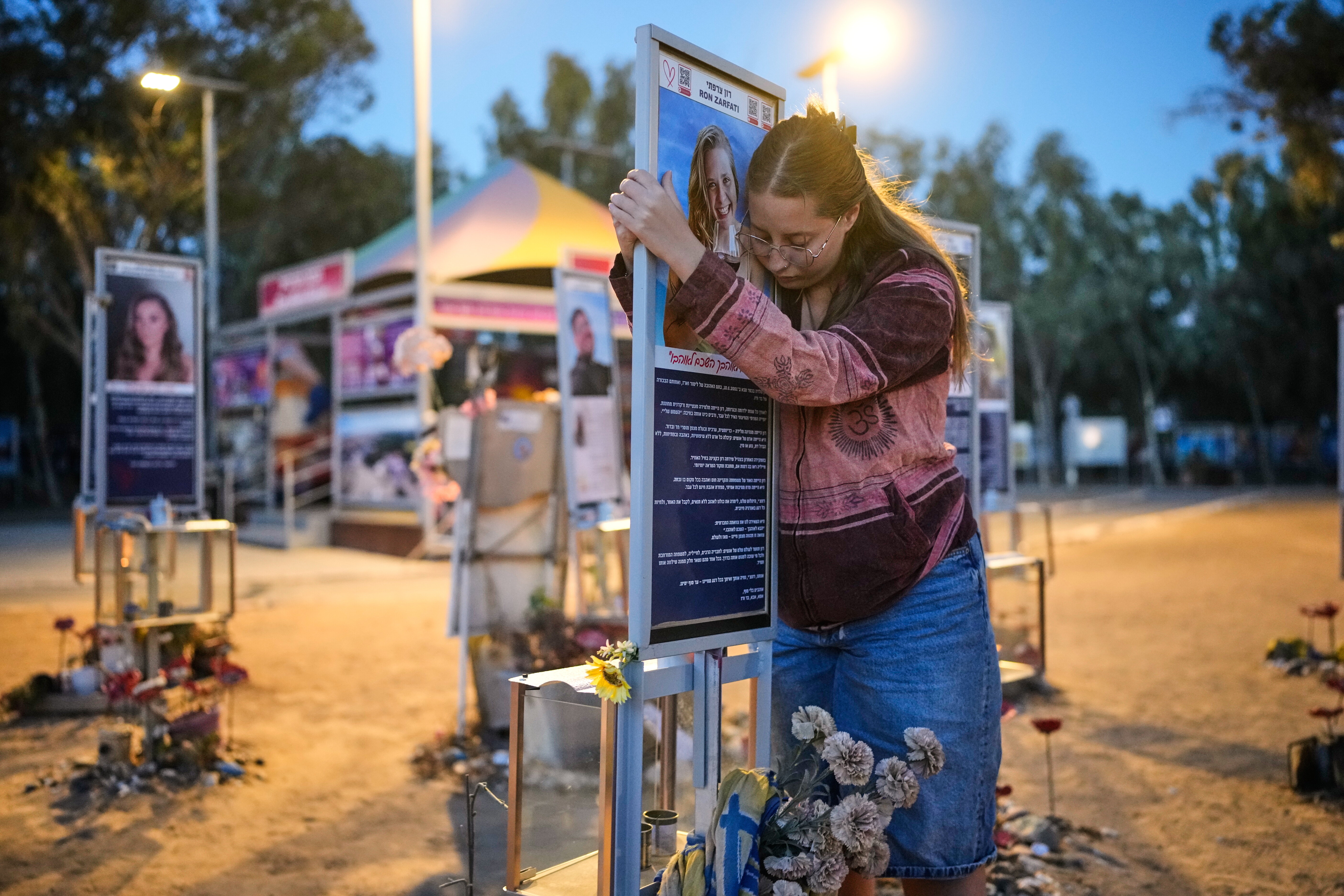
Walk down Rothschild Boulevard in Tel Aviv or sit in a crowded cafe in West Jerusalem today, and you'll feel an unmistakable tension hanging in the air. Before October 7, 2023, Israel was tearing itself apart over judicial reform, secular versus religious identity, and the future of its democracy. Then Hamas breached the Gaza border fence, murdered roughly 1,200 people, and took 251 hostages. Overnight, the internal debate didn't vanish—it mutated into something much darker, driven by raw survival instinct and a profound sense of betrayal.
If you want to understand how October 7 reshaped Israel, you can't just look at military maps or casualty counts. You have to look at the psychological earthquake that dismantled the Israeli peace camp, mainstreamed once-fringe ultranationalist ideas, and left millions of citizens questioning whether coexistence is even possible in their lifetimes. You might also find this connected coverage interesting: The Structural Failure of Political Genealogy and Cultural Identity Claims.
The Death of the Old Security Consensus
For decades, Israeli politics operated on a predictable spectrum. The left argued that trading land for peace was the only way to guarantee long-term security, while the right insisted on managing the conflict through deterrence, economic incentives, and technological superiority.
October 7 obliterated both theories in a single morning. As extensively documented in detailed reports by The New York Times, the effects are worth noting.
When Hamas fighters overran kibbutzim like Be'eri and Nir Oz—communities filled with lifelong peace activists who regularly drove sick Palestinians from Gaza to Israeli hospitals—the psychological blow to the Israeli left was fatal. Many survivors openly admitted they could no longer recognize the worldview they had spent their lives defending. At the same time, Benjamin Netanyahu’s long-standing doctrine of "containment"—allowing Qatari cash into Gaza to keep Hamas quiet while sidelining the Palestinian Authority—collapsed in flames.
Polling from the Israel Democracy Institute in the months following the attack revealed a staggering shift. Support for a two-state solution among Jewish Israelis plummeted to historic lows, dropping below 25 percent in several surveys. This wasn't necessarily because Israelis suddenly fell in love with right-wing ideology. It was pure, unadulterated trauma. When people believe their neighbors want to slaughter them, abstract diplomatic frameworks sound like suicide pacts.
How Fear Powered the Far Right
In moments of existential terror, voters rarely run toward nuance. They run toward whoever promises the biggest stick.
This dynamic handed immense leverage to figures who used to sit on the absolute margins of Israeli society. Men like National Security Minister Itamar Ben-Gvir and Finance Minister Bezalel Smotrich—politicians once shunned even by mainstream Likud members—suddenly found their rhetoric echoed in everyday living rooms.
Consider what happened with gun ownership. Prior to October 7, Israel maintained strict gun control laws, with roughly 150,000 licensed civilian firearm owners nationwide. Within weeks of the attack, Ben-Gvir’s ministry dramatically loosened eligibility criteria. Hundreds of thousands of applications flooded in. Long lines formed outside shooting ranges from Haifa to Beersheba as teachers, software engineers, and parents rushed to arm themselves.
The logic was simple. The state had failed to show up for hours on October 7, so citizens decided they would never rely solely on the military again.
The Normalization of Maximalist Rhetoric
Alongside the surge in private weapons came a sharp hardening of political speech. Ideas that would have triggered international outrage and domestic political suicide a few years ago entered mainstream discourse:
- Rebuilding Gaza settlements: In January 2024, a major conference in Jerusalem titled "Settlement Brings Security" drew thousands of attendees, including nearly a dozen cabinet ministers and Knesset members, calling for the re-establishment of Jewish communities inside the Gaza Strip—nearly two decades after Ariel Sharon’s 2005 disengagement.
- Skepticism toward international institutions: Organizations like UNRWA, the International Court of Justice, and even traditional Western allies came to be viewed by large segments of the Israeli public not as neutral arbiters, but as hostile actors blind to Israeli suffering.
- Uncompromising military posture: Polling consistently showed overwhelming Jewish Israeli support for intense military operations in Gaza, even as civilian casualties mounted and global condemnation grew louder.
Honestly, talking to everyday Israelis during this period reveals a massive disconnect between how the outside world views the country and how Israelis experience their own reality. Abroad, critics saw an increasingly aggressive, right-wing state. Inside Israel, citizens saw themselves as fighting a war of self-defense against enemies on seven fronts—Gaza, Lebanon, Syria, Iraq, Yemen, the West Bank, and Iran.
The Paradox of Benjamin Netanyahu
Here is the weirdest part of post-October 7 Israeli politics, and the thing most outside observers get completely wrong. While the Israeli public moved sharply to the right on security and the Palestinian question, they simultaneously turned fiercely against the right-wing leader who oversaw the disaster.
Benjamin Netanyahu built his entire political brand on being "Mr. Security." October 7 happened on his watch. Throughout 2024 and into 2025 and 2026, polls repeatedly showed that if elections were held, Netanyahu’s Likud party would lose substantial ground, and a clear majority of Israelis wanted him to resign once the immediate fighting subsided.
Yet Netanyahu survived. Why? Because the right-wing bloc knew that bringing down the government would hand power to centrist rivals like Benny Gantz or Yair Lapid, potentially inviting American pressure to make concessions on Gaza or a future Palestinian state. Fear kept the coalition glued together, even as public trust in the government’s competence sat near rock bottom.
A Society Divided Over Sacrifice and Identity
Beneath the united front presented during the initial military mobilization, deep societal fractures widened into chasms. You can't mobilize over 300,000 reservists—pulling fathers, mothers, students, and tech workers out of the economy for months on end—without exposing every unfairness in the system.
The sharpest flashpoint became the ultra-Orthodox (Haredi) military draft exemption. For decades, successive governments kicked this can down the road, allowing tens of thousands of yeshiva students to avoid mandatory military service while secular and national-religious Israelis carried the burden.
After October 7, with hundreds of soldiers killed and thousands wounded, that arrangement became intolerable to the mainstream public. When Israel's High Court of Justice ruled in June 2024 that the state had no legal basis to continue exempting Haredi men from the draft, it triggered a political crisis that pitted secular right-wingers against their ultra-Orthodox coalition partners.
At the same time, Arab citizens of Israel—who make up roughly 20 percent of the population—found themselves walking an impossible tightrope. Despite widespread fears of a repeat of the May 2021 intercommunal riots, Arab Israeli cities remained largely calm. Many Arab doctors, nurses, and bus drivers kept the country running during the worst days of the crisis. Still, a wave of police crackdowns on social media posts deemed sympathetic to Gaza created a chilling effect, leaving many Palestinian citizens of Israel feeling alienated, watched, and politically homeless.
Economic Fallout and the Brain Drain Question
War isn't just fought with tanks; it's fought with balance sheets. Israel entered October 2023 with a thriving high-tech sector that accounted for roughly 20 percent of its GDP and over half of its exports. The prolonged multi-front conflict with Hamas and Hezbollah put immense strain on that engine.
Credit rating agencies like Moody’s, S&P, and Fitch downgraded Israel's sovereign debt rating for the first time in history, citing prolonged geopolitical risk and ballooning defense spending. Tens of thousands of residents evacuated from northern border towns like Kiryat Shmona due to Hezbollah rocket fire remained displaced for well over a year, turning thriving agricultural and tourist communities into ghost towns.
More quietly, a different kind of shift began happening among Israel’s educated elite. Surveys conducted by Israeli universities and medical associations pointed to growing anxiety among doctors, academics, and tech founders about the country's long-term trajectory. While mass emigration hasn't emptied the country, the conversation around obtaining a second passport or relocating abroad stopped being taboo in Tel Aviv coffee shops.
What Comes Next for a Transformed Nation
If you're trying to track where Israel goes from here, stop looking for a return to the pre-October 7 status quo. That country doesn't exist anymore.
The trauma of October 7 has baked a deep skepticism of diplomatic promises into the Israeli DNA for at least a generation. Any future leader—whether from the right, center, or whatever remains of the left—will have to operate within a electorate that prioritizes immediate physical security over international approval.
To follow this story intelligently, watch three concrete indicators over the coming months rather than getting distracted by daily political theater:
- The Fate of the Judicial Overhaul and State Commission of Inquiry: Watch whether the government establishes an independent state commission of inquiry into the failures of October 7. How Israel investigates its own worst intelligence and military failure will determine whether democratic accountability survives the trauma.
- Demographic Shifts in the IDF Officer Corps: Notice who is leading combat units today. A growing percentage of junior and mid-level officers come from the religious-Zionist community, many of whom live in West Bank settlements. Their worldview will shape Israeli military doctrine for the next twenty years.
- Regional Normalization vs. Domestic Coalition Politics: Pay close attention to negotiations involving Saudi Arabia and the United States. The ultimate test for Israeli politics is whether the promise of a regional security architecture against Iran is strong enough to overcome domestic far-right resistance to any diplomatic horizon for the Palestinians.
October 7 didn't invent Israel's rightward drift, its social divisions, or its deep-seated insecurities. It acted as an accelerant, burning away decades of political illusions and leaving behind a harder, more skeptical, and fiercely self-reliant nation still trying to figure out how to live safely in a neighborhood it no longer trusts.