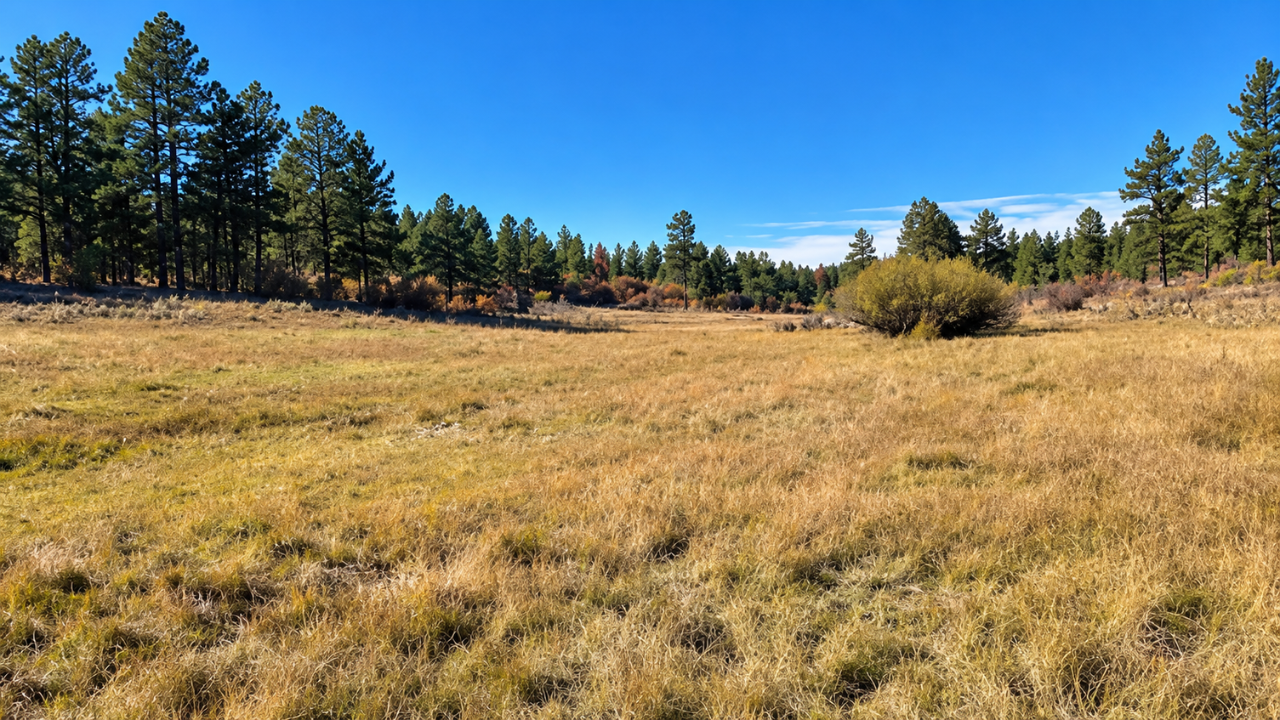
Land development moves fast, but family heritage runs deeper. When a single family holds onto a piece of the American West for nine decades, you pay attention. Ute Ranch in western Montrose County, Colorado, spans 684 rugged acres. Instead of cashing out to developers, owner Kathy Cooper recently locked in its future through a permanent conservation easement with the Colorado Cattlemen's Agricultural Land Trust.
Most people look at a massive plot of land and see dollar signs or subdivision potential. Cooper saw her childhood memories, her grandparents' sweat, and a vital ecosystem that needed defense. This choice highlights a growing trend among multi-generational landowners who refuse to let modern sprawl chew up historic open spaces.
The History Beneath the Soil
You can't understand Ute Ranch without looking at its past. Before it was a quiet family sanctuary, the property acted as a working hub for the region. Parts of the historic site served as a U.S. Forest Service ranger station, a local postmaster's station, and a seasonal cow camp.
The land carries physical proof of these different eras. Scattered across the 684 acres, you'll find an old rustic cabin, a weathered barn, corrals, a bunkhouse, a shed, and remnants of the earliest homesteads. It's a living archive. When a property hosts everything from early postal carriers to federal forest rangers, it stops being just private property. It becomes a community anchor.
Keeping a place like this intact takes real work. Cooper didn't just lock the gates and walk away. The land stays productive, supporting irrigated hay meadows, a reservoir, livestock infrastructure, and grazing arrangements with neighbors like the Galley family. Agriculture and conservation don't have to fight each other. Here, they keep each other alive.
How Conservation Easements Actually Work
People often misunderstand how conservation easements operate. They assume you lose your property or hand your keys over to the state. That's entirely false.
Cooper still owns Ute Ranch. She can pass it down, live on it, or sell it. What changes is the legal DNA of the deed. A conservation easement places permanent restrictions on intensive commercial development. You can run cattle, grow hay, and fix fences, but you can't bulldoze the meadows to build strip malls or luxury housing blocks.
To make this practical, the agreement carves out specific building envelopes covering about 7.5 acres. This lets existing structures and essential agricultural operations function normally while the remaining bulk of the 684 acres stays pristine. Financial backing also helps make these deals happen. Organizations like Great Outdoors Colorado provided funding through Keep It Colorado's Transaction Cost Assistance Program to cover the heavy legal and administrative expenses.
Why Multi-Generational Land Stewardship Matters
Protecting open space protects wildlife habitats, water resources, and local watersheds. When historic ranches get sliced into five-acre luxury lots, wildlife corridors fragment and natural water systems get choked off by asphalt.
Cooper called Ute Ranch her ultimate "happy place". More importantly, her decision lifts a heavy burden off future generations. Her descendants won't have to sit around a table and fight over whether to sell the family land to developers. The choice is already made permanent by law.
If you own land or care about preserving historic working landscapes in the West, look into local land trusts. Reach out to state organizations like the Colorado Cattlemen's Agricultural Land Trust or equivalent groups in your region. Ask about conservation easements early. Do the legal groundwork before outside pressures make the decision for you.