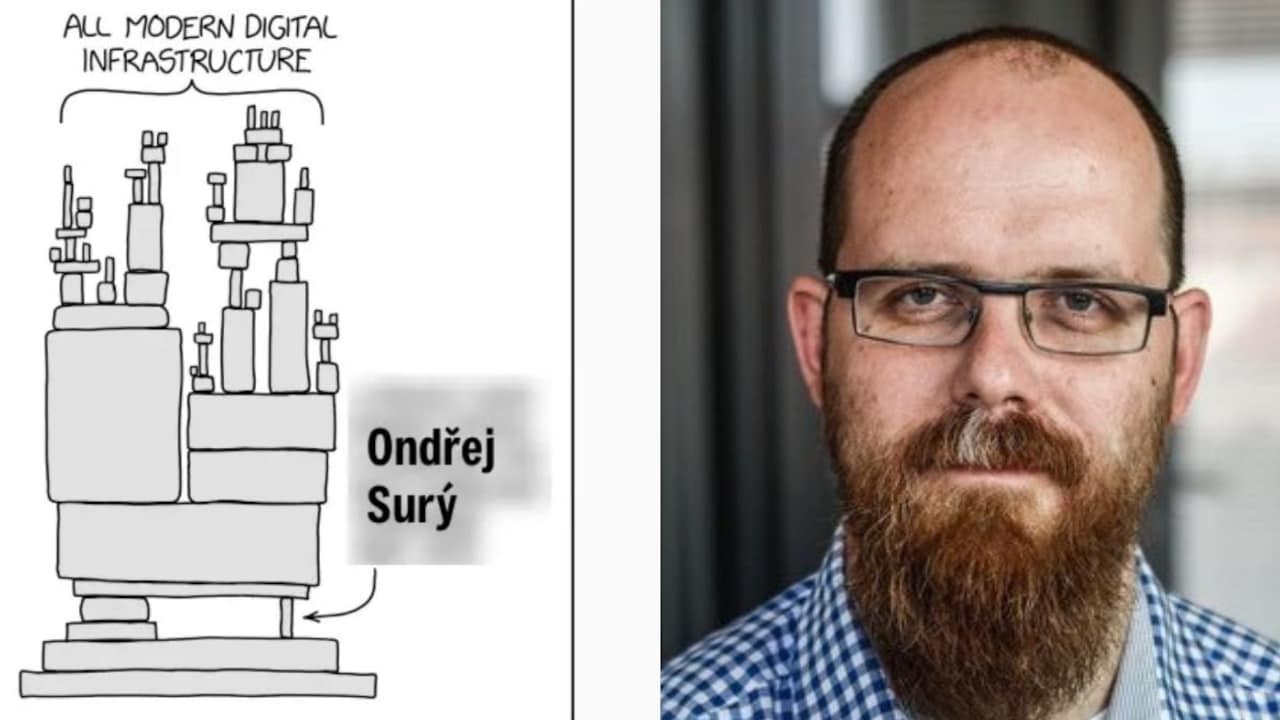
One engineer did not save the internet. Calling Ondřej Surý a single-handed savior during the October 2026 PHP2Shell crisis is lazy storytelling that flatters headlines and leaves engineering teams exposed.
Yes, Surý shipped patched Debian and Ubuntu builds across PHP branches fast. Yes, his work matters. Treating one maintainer as a shield against two critical remote code execution flaws—CVE-2026-109618 and CVE-2026-109619, both rated 9.2 on CVSS v4.0—is a dangerous delusion.
The popular narrative paints a neat fairy tale: a lone Czech engineer steps up, bakes source code into packages, and stops the web from burning. That version sells clicks. It also hides every structural failure that turned a pair of memory bugs into a global panic.
The Lazy Consensus Around "One Man Saved the Web"
Hero narratives feel good because they turn messy supply-chain engineering into a movie plot. Security researchers found and verified the flaws. The PHP Foundation and its security team coordinated disclosure and shipped fixes for supported branches—8.2.35, 8.3.36, 8.4.27, and 8.5.12—while providing minimal source backports for 7.4, 8.0, and 8.1. Linux distributions like Debian and Ubuntu issued security advisories and backports, and commercial LTS vendors pushed builds for older runtimes.
Surý’s repositories at deb.sury.org and the ondrej/php PPA are heavily relied upon for coinstallable PHP versions on Debian and Ubuntu. When an urgent patch lands, having fast, familiar APT packages saves time.
Credit belongs where credit is earned. Credit stops short of inventing superpowers.
Surý himself has pointed out that he does not run PHP on his own systems and that much of his packaging workflow is automated. He also made a sharper point than most coverage bothered to quote: infrastructure gets treated as free and infinite until something breaks, and underfunded open-source maintainers carry disproportionate expectations.
Calling a package maintainer a savior confuses patch distribution with production safety. A repository can host a fixed
.debfile at noon while hundreds of thousands of servers remain vulnerable at midnight because nobody upgraded the runtime, restarted PHP-FPM, or retired dead code.
Where the "PHPocalypse" Panic Actually Came From
Articles hyping "PHPocalypse" love throwing around big numbers—such as PHP powering a huge share of the web and exploit attempts spiking rapidly after disclosure. Those stats describe scale, not automatic doom.
CVE-2026-109618 stems from memory corruption during out-of-memory exception handling, and CVE-2026-109619 involves a use-after-free condition. Both carry high severity because remote code execution without authentication is catastrophic if triggered. Still, a vulnerability in an engine is not an instant takeover of every site running that language.
Exploitability depends on execution paths, server configuration, exposure, and patch velocity. In real incidents, the biggest threat isn't that a patch doesn't exist for a day. The biggest threat is organizations running abandoned branches with zero upgrade path.
The Real Villain Is Technical Debt Disguised as "Stability"
I have watched engineering teams burn millions across rewrites, emergency war rooms, and audit scrambles because they treated "it hasn't crashed yet" as a lifecycle strategy. Leadership loves saying a legacy app is "rock solid." Usually that means nobody has touched the runtime in four years, half the dependencies are unmaintained, and the original author left in 2021.
When a 9.2 RCE hits, those teams discover the bill came due with interest. Upgrading a modern PHP minor version is often routine. Jumping across multiple major or end-of-life branches under live exploit pressure is a high-wire act without a net.
Consider a thought experiment. Imagine a scenario where a mid-sized e-commerce company runs PHP 7.4 on an aging container image because a core plugin refuses to run on anything newer. Upstream support for PHP 7.4 ended back in November 2022. During PHP2Shell, the project offered a minimal source backport for 7.4, not a full-featured ongoing support branch, and standard public container images for ancient branches are not being rebuilt like active releases. Even if a third-party repository offers a package for your OS, your custom build or frozen base image might not pull it automatically. Suddenly a "free" shortcut costs weeks of frantic triage.
Redefining the Question Teams Should Actually Ask
Most operators searching for PHP2Shell fixes ask the wrong question: "Did Ondřej Surý push the patch yet?"
The right question is: "Why does my survival depend on a volunteer repository or a dead PHP branch in the first place?"
Here is how common search questions stack up against reality:
| Common Question | Flawed Premise or Partial Truth | Brutally Honest Answer |
|---|---|---|
| "Did Ondřej Surý patch PHP2Shell?" | Treats one maintainer's repo as the sole source of truth across all distros and containers. | He shipped updates across supported branches and backports on his repos, but your OS vendor, container base, and deployment pipeline determine what actually runs. |
| "Can I stay on PHP 7.4 or 8.0 if I get a security backport?" | Assumes a single patch equals a supported runtime. | Minimal backports address specific flaws; they do not restore full upstream maintenance or fix every lurking bug on an end-of-life branch. |
"Is my server patched once apt finishes?" |
Confuses package installation with active process execution. | Long-running workers and daemons—like php-fpm or Apache—must reload or restart to use updated binaries. |
What Real Resilience Looks Like (And Where My Approach Hurts)
Heavy hitters in systems and security engineering—from Linux distribution security teams to DNS and infrastructure leaders like those at the Internet Systems Consortium—repeat a simple rule: patch distribution is a relay race, not a solo sprint. Upstream maintainers write the fix, packagers build artifacts, distros vet and ship advisories, and operators deploy and verify.
If you want less drama during the next high-severity CVE, stop treating upgrades like a once-a-decade migration event:
- Stay on actively supported upstream branches. Track PHP's release lifecycle and move steadily rather than waiting for an emergency forced march.
- Audit your exact artifact provenance. Know whether you get packages from Debian or Ubuntu official repos,
deb.sury.org, Red Hat, or an LTS provider, and verify actual installed revisions—not just version strings. - Automate rollout and verify running processes. Test upgrades in staging, deploy fast, and confirm workers actually restarted.
- Fund the infrastructure you depend on. If your revenue relies on open-source tooling or packaging ecosystems, budget for sponsorships or commercial support instead of acting surprised when maintainers burn out.
There is a real downside to pushing aggressive, continuous upgrades. Moving faster can break legacy extensions, expose sloppy tests, or trigger regressions in code that nobody bothered to modernize. Staying frozen feels safer in the short term—until a critical vulnerability forces a messy change on someone else's clock.
Stop worshipping accidental saviors. Fix your upgrade pipeline before the next zero-day decides your schedule for you.


