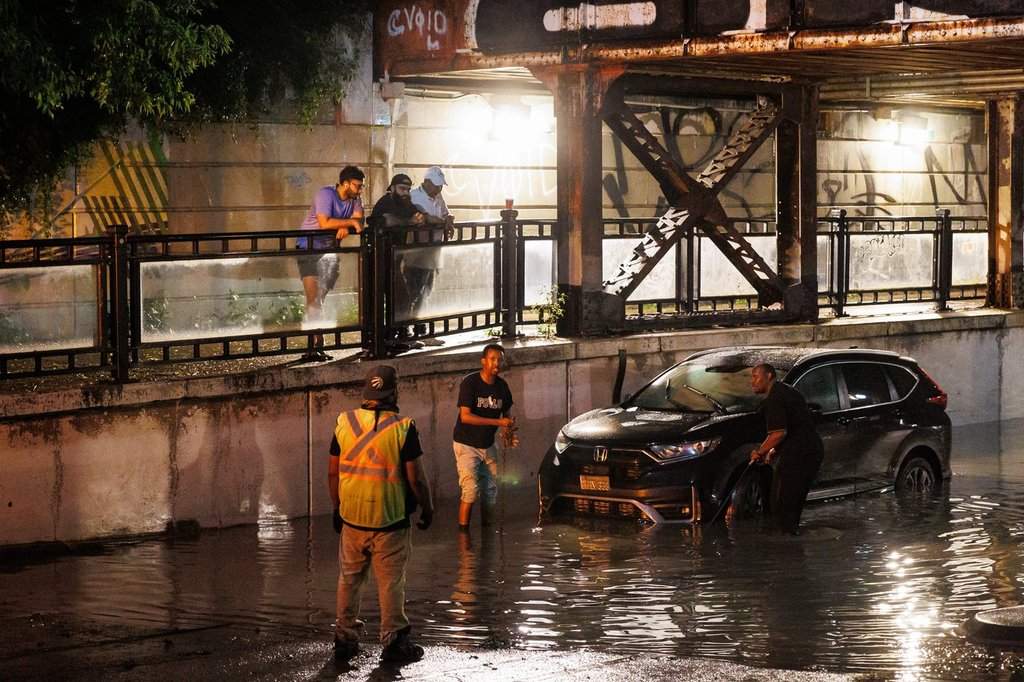
Dark skies opened up over southern Ontario and dropped more than 100 millimetres of rain in a matter of hours, turning major roadways into rushing rivers and leaving communities scrambling. If you live anywhere near the Greater Toronto Area, you already know the chaos. Torrential downpours, ping-pong-sized hail, and fierce winds battered homes, ripped up trees, and triggered the second-highest single-day call volume in Toronto Fire history. Only the infamous 2013 ice storm brought more operational stress to emergency crews.
Right now, the heavy rain has stopped, but the real work has just begun. Cleanup crews are clearing debris, power utilities are working around the clock to turn the lights back on, and homeowners are left assessing flooded basements and dented roofs.
Dealing With the Aftermath on the Ground
City officials have labeled this a 100-year storm, and looking at the damage, that description isn't an exaggeration. Downbursts ripped through neighborhoods, tearing down utility lines and splintering mature trees. Structures like the 50,000-capacity Rogers Stadium in Toronto's north end suffered major structural damage, with bleachers and grandstands partially collapsing under intense wind gusts.
Streets like the Don Valley Parkway and sections of Yonge Street flooded completely during the Wednesday afternoon rush hour, trapping drivers and forcing emergency responders into water rescues under submerged underpasses. Industrial zones like Vaughan turned into lakes, submerging delivery trucks and transit buses.
If you are stepping outside to inspect your property today, watch out for downed power lines tangled in debris. Crews are moving fast, but live wires remain a serious hazard in many pockets of the city.
Navigating Property Damage and Insurance Claims
Basement flooding is the main headache for thousands of property owners this week. When stormwater backs up through sewer lines or pours over window wells, panic usually sets in.
Don't touch standing water if electrical outlets are submerged. Turn off your main breaker if it is safe to access. Document everything before you start throwing ruined drywall or furniture away. Take high-resolution photos and videos of the high-water marks, damaged appliances, and structural impacts. Insurance adjusters will need that proof to process claims quickly.
Call your provider immediately. Most policies have strict windows for reporting water and wind damage. Be prepared for a wait, because adjusters across southern Ontario are currently flooded with thousands of identical claims.
Getting Back to Normal Before the Weekend
Municipal workers face a tight deadline. With the Labour Day long weekend right around the corner, the goal is to get parks, public pools, and beaches cleared and deemed safe before holiday crowds head outdoors. Transit systems are largely back on schedule and major highways have reopened, but local neighbourhood cleanup will take days.
Check on your neighbours, especially elderly residents who might still be stuck without power or dealing with flooded lower levels. Clear leaves and debris away from your local storm drains if you see them clogging up, because scattered showers could easily trigger localized pooling all over again. Take pictures of your property damage, contact your insurer today, and stay clear of downed branches wrapped in utility cables.



.png?width=1200&auto=webp&trim=0%2C0%2C0%2C0)