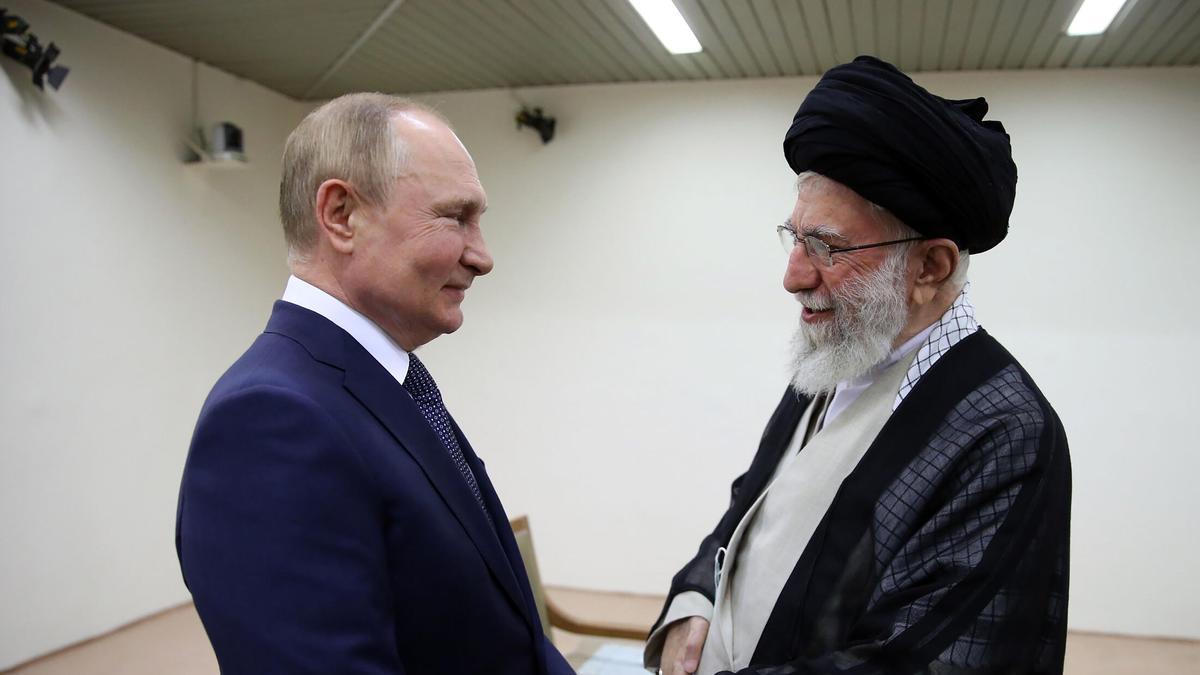
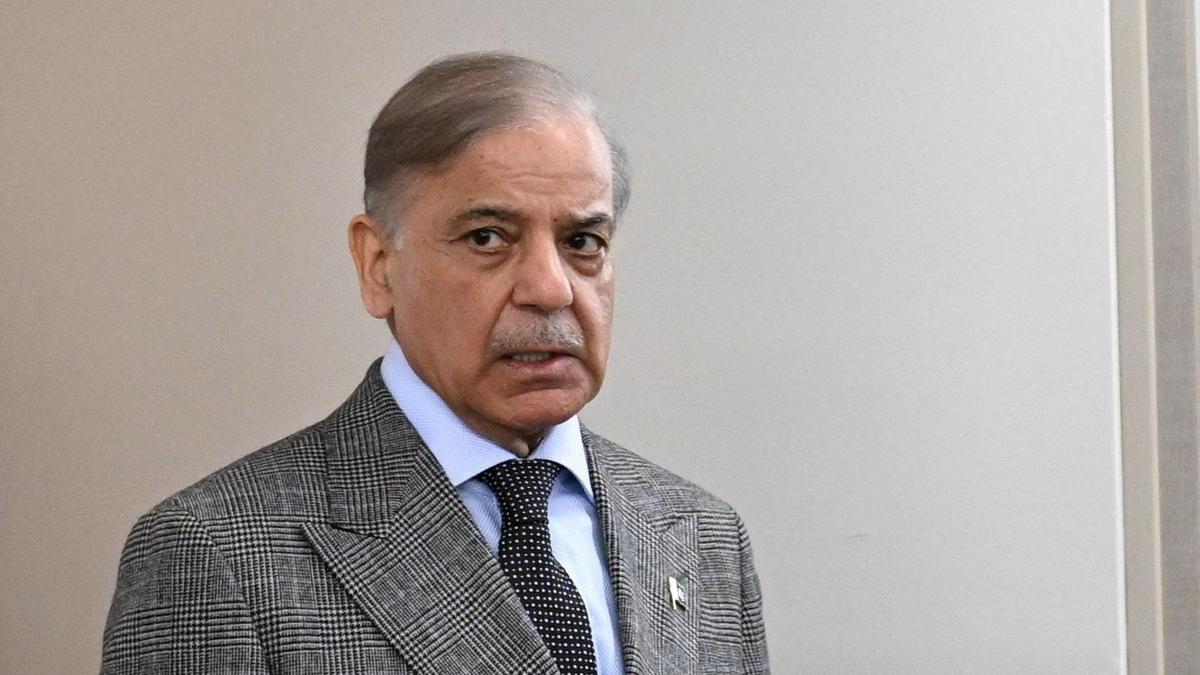
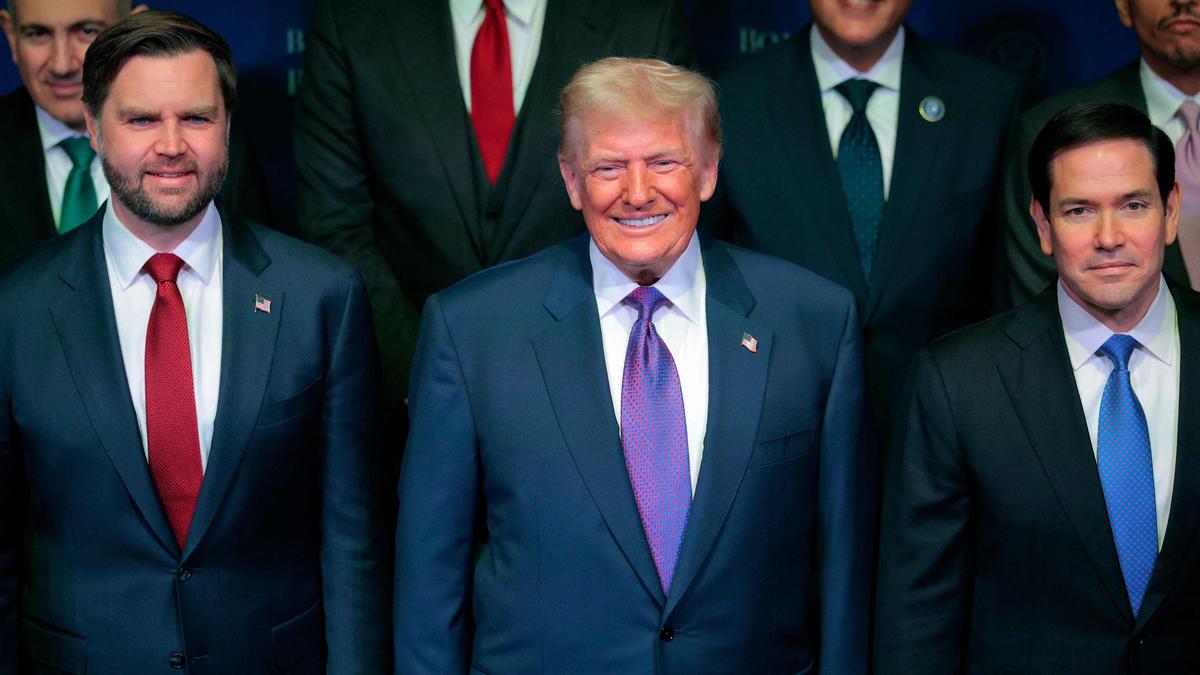
The consensus among the beltway stenographers is that the joint US-Israeli strikes on Iran represent a "decisive blow" to Tehran's nuclear ambitions. They are marveling at the B-2 stealth runs and the "surgical" decapitation of the Islamic Republic’s leadership, including the reported death of Ayatollah Ali Khamenei. They see a regime on the ropes and a region on the verge of "liberation."
They are catastrophically wrong. For a deeper dive into similar topics, we suggest: this related article.
What we are witnessing isn't the beginning of a democratic Iranian spring; it is the definitive collapse of the Western-led security order in the Middle East. By shifting the objective from containment to overt regime change through "Operation Epic Fury," the Trump administration has not ended a threat—it has decentralized a nightmare. I have watched this movie before, from Tripoli to Baghdad, and the ending never changes. Only this time, the stakes include the literal lifeblood of the global economy and a cornered nation with 400 kilograms of 60% enriched uranium that we have now lost track of.
The Decapitation Myth
The media is obsessed with the removal of the head. They think that killing the Supreme Leader and top IRGC brass like Mohammad Pakpour creates a power vacuum that the "people" will fill with Western-friendly ideals. This is tactical brilliance masking strategic idiocy. To get more context on this topic, in-depth reporting is available at NBC News.
In reality, decapitation strikes against a highly ideologically driven, bureaucratic military state like Iran don't lead to collapse; they lead to radicalization and the "hydra effect." When you remove the traditional clerical guardrails—as flawed as they were—you hand the keys to the mid-level IRGC commanders who have been itching for a full-scale regional conflagration for decades. These are the men currently launching the "sixth wave" of drone strikes against US bases in Kuwait and Bahrain. They aren't mourning; they are unburdened.
The Strait of Hormuz is the Real Front Line
While the Pentagon brags about "razing" missile facilities to the ground, the only metric that actually matters for the average citizen is $100-a-barrel oil. The IRGC’s warning to tankers in the Strait of Hormuz isn't a bluff—it's an existential necessity.
If Iran cannot export its oil, nobody in the Gulf will. The 13% spike in Brent crude in a single morning is just a trailer for the main feature. We are looking at a scenario where 15 million barrels of oil a day are held hostage by a "decentralized" Iranian navy using asymmetric swarming tactics that billion-dollar US destroyers are poorly equipped to handle.
The Proliferation Paradox
The most dangerous misconception is that these strikes have "solved" the nuclear problem.
- Fact: Kinetic strikes on hardened facilities like Parchin or Isfahan rarely destroy the intellectual capital or the raw fissile material.
- The Reality: By attacking the Iranian state directly, we have removed every single incentive for them not to break out.
Imagine a scenario where the remaining Iranian nuclear scientists, now fearing for their lives and seeing their government dismantled, decide that a "dirty bomb" or a hidden, rapidly assembled warhead is their only remaining insurance policy. We have traded a monitored, albeit problematic, nuclear program for an unmonitored, desperate, and mobile one. The IAEA is calling special sessions in Vienna, but they are shouting into a hurricane. The leverage is gone.
The Failure of "Maximum Pressure" 2.0
The administration argues that diplomacy was "exhausted." I’ve spent years analyzing these negotiations, and the truth is that the US walked away from the table in Geneva because it wanted a total surrender, not a deal. You cannot negotiate with a gun to the other party's head and then express surprise when they pull their own trigger.
The "People Also Ask" sections on search engines are currently flooded with queries about whether this will lead to a draft or a global depression. The honest answer is that we have entered a period of "unmanaged escalation." Unlike the June 2025 skirmish, there is no obvious off-ramp. When your stated goal is to "annihilate" a regional power, you commit yourself to a multi-year occupation or a permanent state of war.
The Cost of "Success"
The "victory" being sold today is a facade. Even if the US and Israel "succeed" in toppling the current regime, they inherit a fractured nation of 85 million people, a collapsed currency, and a vengeful proxy network that stretches from Lebanon to Yemen.
We are not "securing" the region. We are setting it on fire and calling the glow a sunrise.
The B-2 bombers have returned to Dyess Air Force Base, but the fallout is just beginning to land. If you think this ends in "four weeks or less," you haven't been paying attention to the last thirty years of Middle Eastern history. This isn't a masterstroke. It's a gamble with the world's economy where the house is already losing.