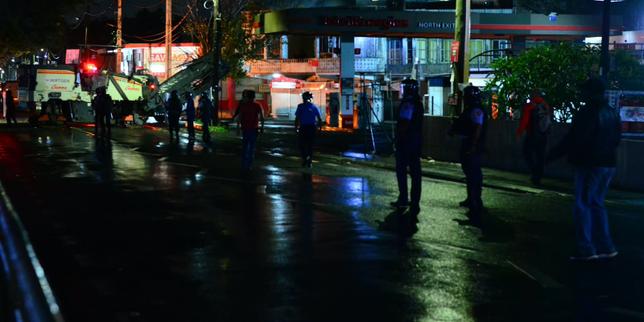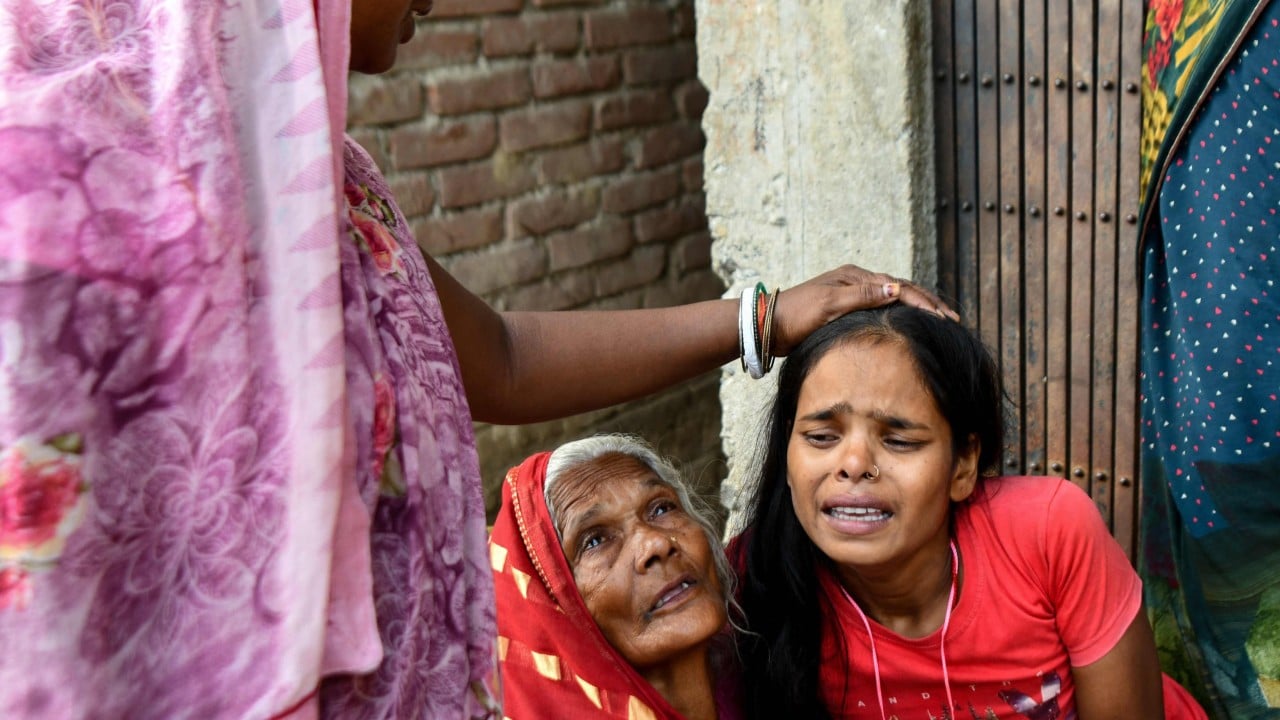
Thirteen children drowned on the night of October 13, 2026, when a country-made boat overturned in a channel of the Ganga near Raghopur in Bihar's Vaishali district. Residents of Rampur Shyamchand village had boarded the vessel around 8:30 p.m. to head across the water for a feast. Out of roughly 15 to 20 people aboard—most of them minors—six survived, while 13 children under 15 lost their lives.
If you only read breaking wire alerts, you get the headline numbers and a few condolences. That isn't enough to understand why this keeps happening. Honestly, when a small wooden boat meant for maybe five people carries a crowd after dark with no life jackets and a reported hull defect, calling it a freak accident lets the system off too easy.
The real story behind 13 children die after overloaded boat capsizes in India isn't a mystery of nature. It's a collision of geography, poverty, nighttime rules ignored in plain sight, and infrastructure that solves part of a problem while leaving everyday river crossings unpoliced.
What Happened Near Raghopur and What Remains Unclear
Around 8:30 p.m. on Tuesday, October 13, 2026, passengers from Rampur Shyamchand crossed a Ganga channel in the Raghopur diara belt of Vaishali district toward a feast across the river. Local villagers joined the immediate search alongside disaster response teams—including National Disaster Response Force (NDRF) and State Disaster Response Force (SDRF) units—as officials worked to pull survivors and bodies from the dark water.
Vaishali District Magistrate Varsha Singh confirmed that 13 bodies were recovered—all children under 15—and that six people were rescued alive. By October 14, officials reported that no one remained listed as missing after the recoveries.
Still, details aren't locked down cleanly across every account, and that matters for anyone trying to get the straight facts:
- Passenger counts and toll claims varied early on. Official briefings pointed to roughly 15 to 20 people on board and 13 confirmed deaths. Opposition leader and Raghopur MLA Tejashwi Yadav cited around 30 passengers and 14 recovered bodies in social media updates, though the district administration stood by its confirmed figure of 13.
- Overcrowding and boat condition are allegations under probe. Survivors, villagers, and media reports pointed to overcrowding and a hole or poor condition in the privately owned wooden craft, while local commentary noted the boat's reported capacity was around five. No formal inquiry report or arrest record had been published in the immediate days after the tragedy.
- Compensation moved fast, accountability followed. Bihar Chief Minister Samrat Choudhary announced Rs 4 lakh in ex gratia relief per deceased child's family, and the Prime Minister's Office announced Rs 2 lakh from the PM National Relief Fund per deceased person plus Rs 50,000 for the injured, alongside immediate local welfare payouts. The district administration also sought explanations from the Raghopur circle officer and local police station in-charge and withheld their salaries pending review, while Union Minister Nityanand Rai urged checks to repair or ban dilapidated boats in Vaishali.
Compensation helps families pay for funerals and get by for a few months. It doesn't fix a leaky hull at night.
Why Bridges Don't Erase River Dependence in Bihar
A common assumption outside the region is that building a big bridge wipes out risky boat rides. Raghopur proves that's wishful thinking.
Major bridge connectivity between Patna and Raghopur has improved regional travel, yet riverine settlements across Bihar's diara floodplains—along the Ganga, Gandak, Kosi, and Ghaghra—still rely on boats for daily life. When a feast or gathering sits across a channel, or when the nearest bridge approach adds a long detour, villagers take the shortcut by water.
I've watched how transport habits work in rural river basins: convenience wins until the exact moment physics says no. A small country boat has low freeboard—meaning very little distance between the waterline and the gunwale. Add extra passengers, squirming kids, a weak plank, or chop from wind and current, and stability drops off a cliff.
Once water spills over the edge of an overloaded wooden boat, it goes down fast. Children, especially younger ones, rarely have the strength or swimming skill to fight current in pitch darkness.
Why Overloaded Boats Still Kill Children in Bihar
Rules against night boating and unsafe vessels already exist on paper, and India's Inland Vessels Act, 2021 sets out a modern legal framework for inland waterway safety and vessel oversight. Yet tragedies keep repeating because enforcement on informal river ghats looks nothing like enforcement on major highways.
Think about the contrast. On Bihar's roads, traffic enforcement pushes helmets and electronic fines. At a quiet village ghat after sunset, there's often no visible passenger cap posted, no life jackets handed out, and no officer standing by when a private boat pushes off into the dark.
Several practical failures stack up together:
- Night crossings happen anyway. Passenger boat movement after sunset is restricted, yet evening feasts, family visits, and late returns still pull people onto boats when no safer option is running.
- Uninspected private boats stay in service. Small country boats owned locally may carry far more people than they're built for, sometimes with hull wear that only gets talked about after a sinking.
- Flotation gear is practically nonexistent. Even a basic life jacket or buoyant aid changes survival odds in cold or moving river water, yet informal ferries rarely stock enough for adults, let alone children.
- Attention spikes after a crash and fades later. Officials suspend salaries, order probes, and promise sweeps after a major loss of life, then routine oversight slips back to thin staffing.
That's the bitter truth about river safety in many developing regions. Laws on paper don't float; inspected hulls, enforced curfews, and real alternatives do.
Common Misconceptions About River Boat Capsizes
When a story like this breaks, a few myths spread almost as fast as the news:
- "A bridge means nobody needs boats anymore." Bridges reshape main corridors, not every creek, channel, or local village route across a shifting river plain.
- "Only monsoon floods make rivers dangerous." Flood season brings obvious fury, sure. Calm-looking water after dark can still turn lethal when a small boat is overloaded or taking on water.
- "Adults are always in control of small boats." Overcrowding often leaves passengers packed tightly with little room to shift weight safely, and once a vessel tilts past its balance point, recovery is tough.
Practical Steps for Families and Local Officials
If you live near river crossings or work on community safety in riverine districts, waiting for a sweeping state overhaul won't protect anyone tonight. Start with concrete habits and checks.
For families and travelers using local boats:
- Refuse to board after dusk. If a crossing isn't daylight-safe and officially cleared, skip it and take the road or stay put until morning.
- Count heads and watch the waterline. If the boat already looks crowded or sits low in the water, don't squeeze children on just to save time.
- Insist on flotation for kids. If life jackets aren't available and properly fitted, treat the crossing as high-risk—kinda like riding a motorbike in heavy traffic with no helmet.
For local administrators, ghat committees, and community leaders:
- Audit boats before festivals and peak seasons. Check hull soundness, ban visibly rotten or leaking craft, and post clear passenger limits at active ghats.
- Enforce evening cutoffs at the landing point. Putting a simple curfew rule on paper isn't enough; someone has to monitor departure points when dusk hits.
- Keep rescue gear staged nearby. Having trained local boatmen, basic flotation rings, and fast coordination with NDRF and SDRF units saves critical minutes when seconds count.
Thirteen children lost their lives in Vaishali because an ordinary evening crossing went wrong without a safety net. Real prevention starts before the next boat pushes off.