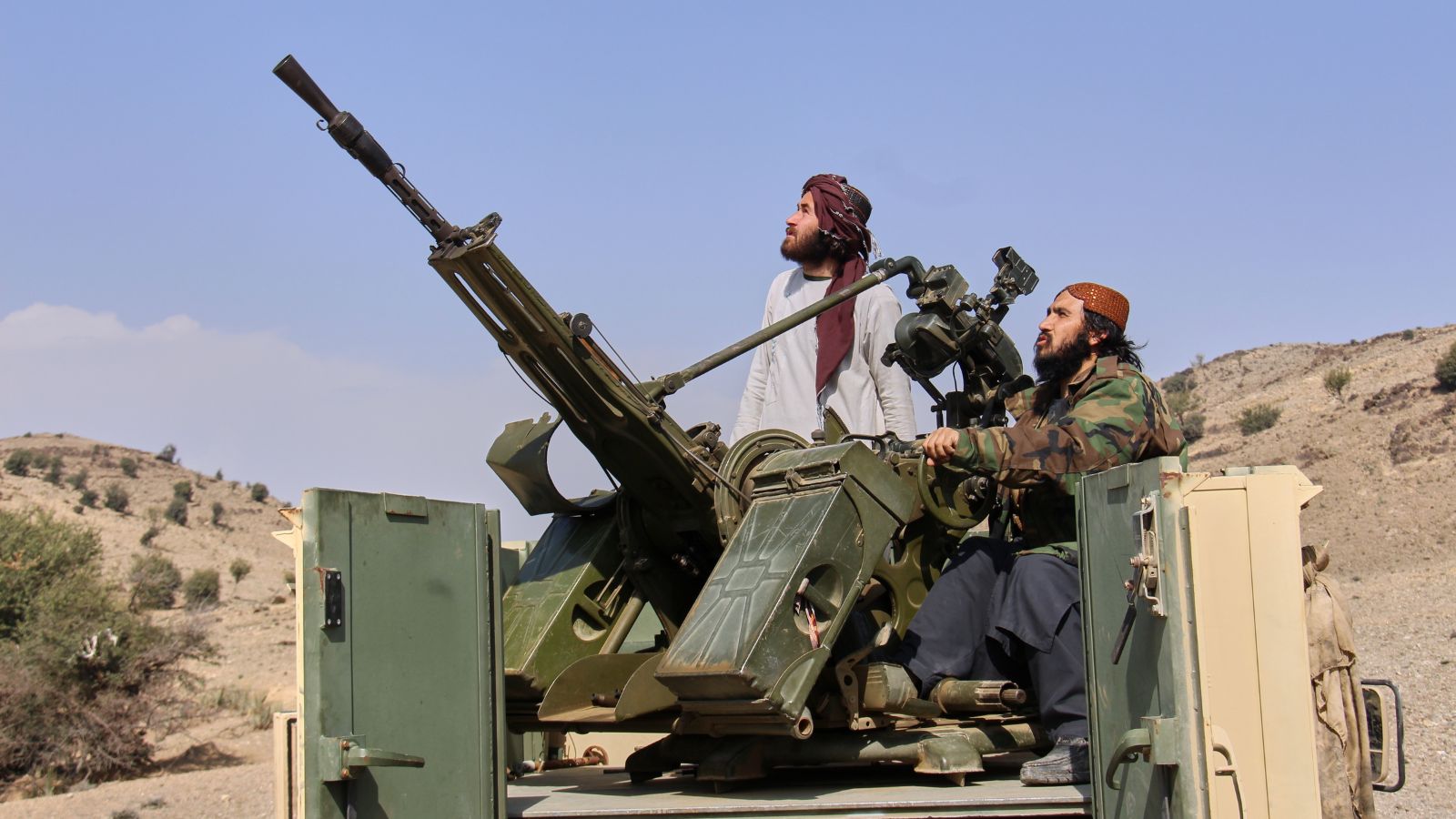
Pakistani security forces just hit back hard along the western frontier. In a series of intense, intelligence-backed raids near the Afghan border, the military neutralized 24 militants belonging to the outlawed Tehrik-e-Taliban Pakistan (TTP) and Baloch separatist factions. Huge piles of weapons were seized. On paper, it looks like a decisive win for Islamabad's counterterrorism campaign.
But don't let the body count fool you. This isn't a permanent victory. It's a bloody cycle that keeps repeating.
The military launched these operations in direct response to two devastating attacks in Khyber Pakhtunkhwa province. The worst was a brutal suicide bombing in the Bannu district, where an insurgent rammed a vehicle packed with explosives straight into police officers and nearby civilians. Another faction shot up a local police station, leaving multiple officers wounded.
Prime Minister Shehbaz Sharif and President Asif Ali Zardari quickly issued statements praising the swift action. They promised that eliminating terrorism remains their top priority. We've heard those promises before. The reality on the ground tells a much more complicated story.
The Two-Front Insurgency Choking Pakistan
What makes Pakistan's current security crisis so volatile is that the state is fighting two entirely different enemies at the same time. You have the TTP on one side and Baloch separatists, like the Baloch Liberation Army (BLA), on the other.
Historically, these groups operated in completely separate bubbles. The TTP wants a strict religious state in the north, while the BLA fights for an independent ethnic homeland in the resource-rich south. Yet, Pakistani intelligence operations increasingly catch both groups operating in the same border zones. They share an overlapping enemy: the Pakistani state.
The TTP uses the rugged, porous terrain along the Durand Line to their advantage. They strike inside Pakistan and melt right back into Afghanistan. Meanwhile, the BLA has ramped up its operational lethality, shifting toward high-profile suicide bombings targeting both security forces and foreign investments. By launching simultaneous hits, these groups stretch Pakistan’s military resources thin.
The Blame Game Between Islamabad and Kabul
You can't talk about security in Pakistan without talking about the safe havens across the border. Islamabad explicitly states that the TTP enjoys freedom of movement under the Afghan Taliban administration.
Kabul always denies this. They claim they don't let anyone use Afghan soil to attack neighbors. It's a diplomatic dance that convinces no one. The ideological ties between the Afghan Taliban and the TTP run too deep for Kabul to ever truly turn on them.
+-------------------------------------------------------------+
|               THE BORDER DEADLOCK                           |
+-------------------------------------------------------------+
|  PAKISTAN'S STANCE          |  AFGHANISTAN'S STANCE         |
|  - TTP uses Afghan bases    |  - Denies harboring militants |
|  - Demands cross-border action|  - Rejects foreign blame    |
|  - Weapon caches trace back |  - Calls for internal fixes   |
+-------------------------------------------------------------+
To add more fuel to the fire, Pakistani officials frequently allege that these militant networks receive funding and intelligence support from India. New Delhi regularly dismisses these claims as a deflection from Pakistan's internal policy failures. This endless geopolitical finger-pointing ensures that the root causes of the insurgency never actually get fixed.
Why Kinetic Force Is Failing
The military says it will press forward with Azm-e-Istehkam, the national counterterrorism initiative meant to completely dismantle these networks. Raids, airstrikes, and border sweeps do disrupt militant operations temporarily. They save lives in the short term.
But guns alone won't end this. The frontier regions suffer from chronic underdevelopment, political isolation, and a total lack of economic opportunities. When the state only shows up in a tank, it leaves a power vacuum that insurgent recruiters are more than happy to fill. Until Islamabad couples military pressure with real governance and economic integration in the borderlands, these 24 neutralized militants will simply be replaced by two dozen more.
The practical next step for the region requires a massive shift. Border security must be treated as an economic and diplomatic challenge, not just a military target. Tightening border regulations, building up local police forces rather than relying solely on the army, and forcing Kabul to the negotiating table through economic leverage are the only ways forward. Until then, expect the headlines to stay exactly the same.
Pakistan border security analysis offers an expert look into the ongoing border clashes and why the regional dynamic remains highly unstable.