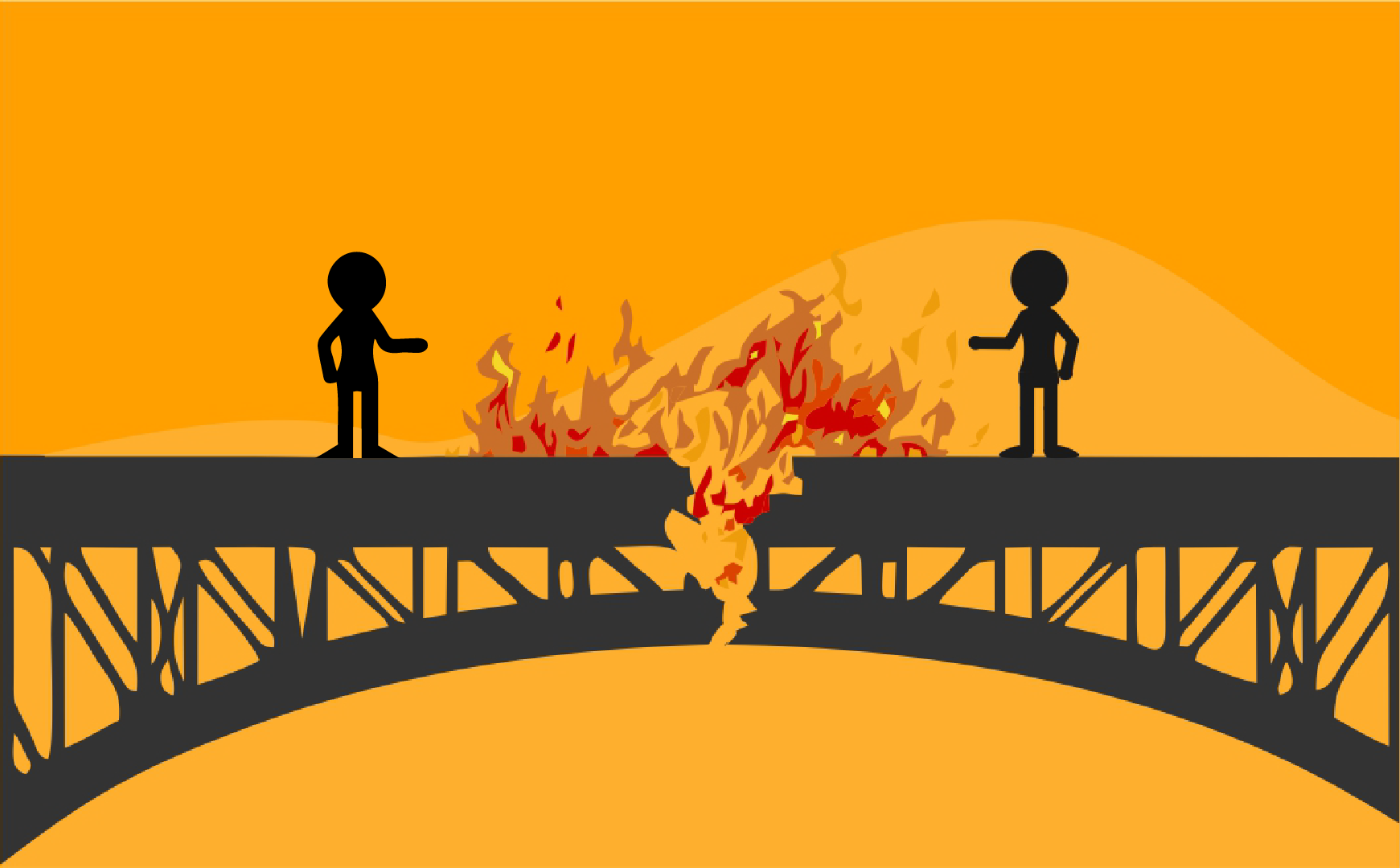
Pakistan is trying to pull off a diplomatic magic trick that isn't working. On one hand, Islamabad wants the world to see it as a sophisticated "peace mediator" capable of de-escalating the growing tension between the US and Iran. They've even tried to brand these efforts as the "Islamabad Talks." On the other hand, they’ve declared an "open war" on their own doorstep, launching massive airstrikes and ground operations against the Taliban-led government in Afghanistan.
It’s a bizarre contradiction. You can’t really claim the mantle of regional peacemaker when your own fighter jets are dropping bombs on your neighbor’s capital. The recent strike on a university in Kunar province, which came just weeks after a supposed ceasefire, proves that the "peace mediator" persona is a thin mask for a country desperately trying to find an exit from a conflict it helped create. Discover more on a similar subject: this related article.
The Mirage of the Peace Mediator
For decades, Pakistan’s military establishment—the "hybrid regime" that truly runs the show—has survived by making itself indispensable to global powers. During the Cold War and the War on Terror, they were the gateway to Kabul. Now, with the US-Iran situation reaching a boiling point in early 2026, Islamabad sees a fresh opportunity to regain international relevance and, more importantly, secure the financial bailouts it needs to keep its economy from flatlining.
But the optics are falling apart. While Prime Minister Shehbaz Sharif talks about regional stability, the reality on the ground is Operation Ghazab lil Haq—a large-scale military campaign targeting Afghan soil. Additional reporting by TIME highlights comparable perspectives on the subject.
The strategy is transparent. By acting as a mediator for the US and Iran, Pakistan hopes to distract from the fact that it has lost all control over the monster it spent twenty years feeding: the Taliban. Now that the Afghan Taliban is in power, they aren't the compliant proxy Islamabad expected. Instead, they're providing a safe haven for the Tehrik-e-Taliban Pakistan (TTP), the group currently tearing through Pakistan’s internal security.
Why the Airstrikes Are a Sign of Weakness
You might think that launching airstrikes on Kabul and Nangarhar shows strength. In reality, it’s a sign of a desperate government that has run out of options. Pakistan’s military capacity significantly outweighs the Taliban’s aging arsenal, but you can’t win a war against an ideology with F-16s.
- The TTP Impasse: The TTP shares the same DNA as the Afghan Taliban. They have shared history, shared language, and shared blood. Expecting the Afghan Taliban to hand over TTP leaders is like asking a brother to betray a brother for the sake of a neighbor they’ve never really liked anyway.
- The Durand Line: This isn't just a border dispute; it’s a fundamental rejection of Pakistan’s sovereignty. The Taliban has never accepted the colonial-era Durand Line. By striking deep into Afghanistan, Pakistan is trying to force a "written guarantee" on border security that Kabul has no intention of honoring.
- Civilian Fallout: The March 2026 strikes reportedly hit a medical center, with the Taliban claiming hundreds of civilian casualties. Every time a Pakistani missile hits a non-military target, it cements the Afghan Taliban’s resolve and makes the TTP’s recruitment job easier.
Pakistan isn't attacking Afghanistan because it wants to lead the region. It’s attacking because it’s backed into a corner. Its "strategic depth" in Afghanistan has turned into a strategic nightmare.
The China Factor and the Urumqi Talks
It’s incredibly ironic that the self-proclaimed "mediator" is currently being mediated by China. While Islamabad tries to host talks for the Americans and Iranians, its own generals are sitting across the table from Taliban officials in Urumqi, China, trying to figure out how to stop the "open war" from becoming a total collapse.
China has a lot of skin in the game. They’ve invested billions into the China-Pakistan Economic Corridor (CPEC), and they don't want their investments going up in smoke because of a border war. Beijing’s intervention is the only thing keeping the current ceasefire—as fragile as it is—from completely disintegrating.
Pakistan is essentially stuck in a loop. They fight until the costs become too high, then they run to Beijing to help them talk, and then they start bombing again when the TTP inevitably launches another cross-border raid. This isn't "mediation." It's a cycle of failure.
The Indian Shadow
You can't talk about Pakistan’s aggression without mentioning their obsession with India. Islamabad is terrified that Afghanistan is becoming a proxy for New Delhi. They see the improving ties between the Taliban and the Indian government as a "pincer movement" designed to squeeze Pakistan from both sides.
This paranoia drives a lot of the kinetic action we’re seeing. By declaring "open war," Pakistan is trying to send a message not just to Kabul, but to New Delhi and Washington: "We are still the dominant military power here, and we will burn the neighborhood down before we lose our influence."
The Exit Strategy That Isn't There
Is Pakistan looking for an exit? Honestly, they don’t have one. They can't afford a full-scale, prolonged war with Afghanistan—their economy is in the gutter and their domestic politics are a mess. But they also can't stop the TTP attacks without the Taliban’s help, which they aren't going to get.
The "peace mediator" act is a hail-mary. It’s a way to look like a responsible nuclear power on the world stage while behaving like a desperate belligerent at home. If they can convince the West that they're essential for peace with Iran, they might get the diplomatic cover they need to keep pounding the TTP in Afghanistan without facing international sanctions.
It's a high-stakes gamble. If the Urumqi talks fail and the TTP continues its surge, the "Islamabad Talks" will be seen as the farce they are. Pakistan isn't looking for an exit through peace; it’s looking for an exit through a show of force that it can’t actually sustain.
If you’re following this, stop looking at the press releases about "diplomatic breakthroughs" in the Middle East. Look at the mortar fire in Kunar. That’s where the real story is. The next steps for the region depend entirely on whether the Pakistani military realizes that you can't bomb your way into a friendship—or out of a disaster you spent thirty years building. Don't expect the ceasefire to hold; expect more "strategic" strikes as the TTP prepares for its next move.