The streets of Karachi don't just protest; they erupt. On March 1, 2026, that eruption turned lethal. At least 10 people are dead in the port city alone after a massive mob tried to tear down the gates of the US Consulate. This isn't just another random demonstration in a country known for its volatile street politics. It's the immediate, bloody fallout of the assassination of Iranian Supreme Leader Ayatollah Ali Khamenei in a joint US-Israeli strike.
If you're wondering why a death in Tehran is causing bodies to pile up in Pakistan, you've got to look at the demographics and the deep-seated anti-American sentiment that's been simmering for decades. Pakistan is home to one of the largest Shia populations outside of Iran. For many here, Khamenei wasn't just a foreign leader; he was a spiritual north star. When the news hit that he was killed in "Operation Epic Fury," the fuse was lit.
Blood on Mai Kolachi Road
The center of the chaos was the US Consulate General in Karachi, located on Mai Kolachi Road. What started as a crowd of hundreds quickly ballooned into a furious mob of thousands. Protesters didn't just stand around with signs. They came with stones, fire, and a singular goal: get inside.
Security forces, including the Sindh Police and the paramilitary Rangers, were already on high alert, but the sheer volume of the crowd overwhelmed the initial perimeter. When the protesters began smashing windows and torching a nearby police post, the situation shifted from crowd control to a combat zone.
According to Dr. Summaiya Syed, a police surgeon at Civil Hospital Karachi, the casualties were grim. Six people were brought in dead initially. Four more died on the operating table. Most of them had gunshot wounds. While official government sources have tried to downplay the numbers, local reports and hospital data suggest the death toll across the country could be as high as 22 when you factor in the violence in the north.
Not Just Karachi
While Karachi saw the worst of the killing, the rest of Pakistan was far from quiet. In the northern region of Gilgit-Baltistan, things got even more surreal. Protesters there didn't just target US interests; they went after the United Nations.
In Skardu, a mob set fire to a UN office building. They also attacked the offices of the UN Military Observer Group. It's a clear sign that the anger isn't just focused on Washington—it's directed at any international entity perceived as being complicit or even just silent while a major Shia leader was wiped out.
Clashes in the Capital
In Islamabad, the government tried to play it safe by sealing off the "Red Zone." That’s the high-security area where the US Embassy and parliament sit. But protesters still showed up in the thousands. The police had to use heavy amounts of tear gas and rubber bullets to keep the crowd from breaching the shipping containers used as makeshift barricades.
The Trump Factor and the Iranian Revenge
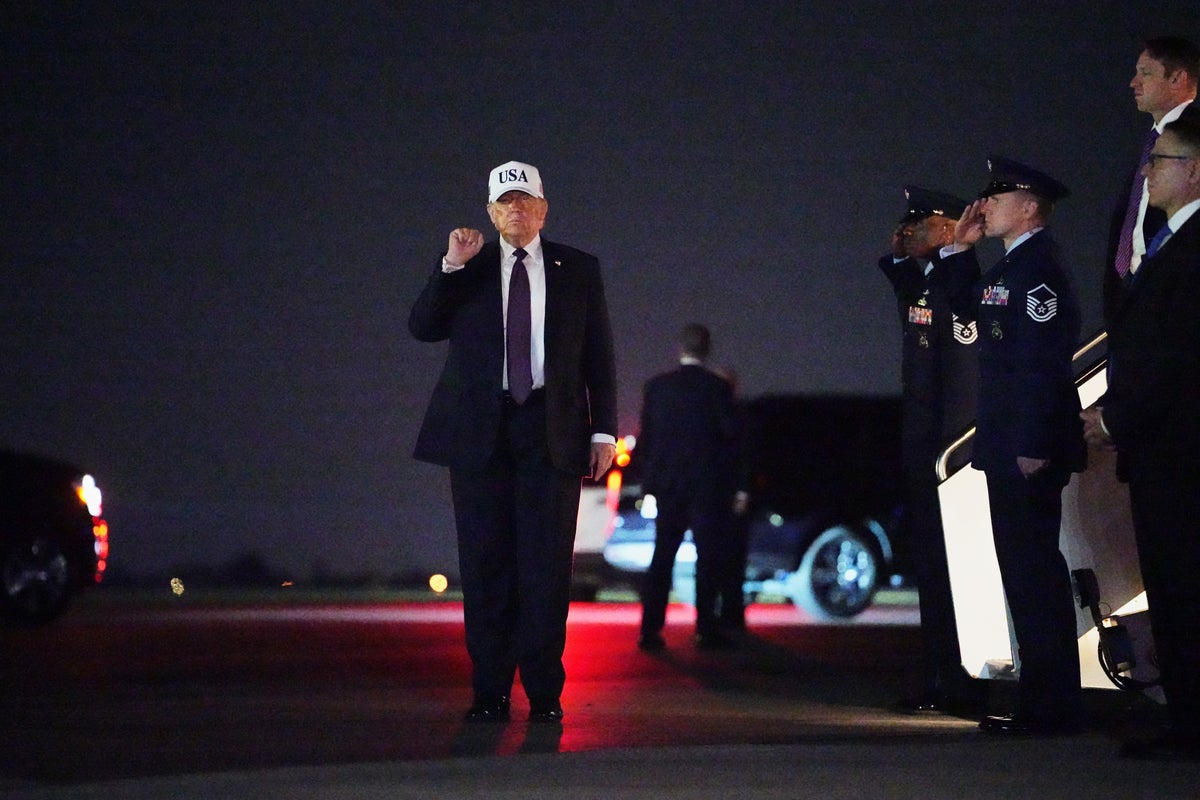
The timing of this couldn't be worse. US President Donald Trump didn't exactly try to cool things down. On Truth Social, he called the strikes a "great day for the world" and warned Iran that if they retaliate, they'll be hit with force "never seen before."
That kind of rhetoric is like throwing gasoline on a bonfire in the Middle East and South Asia. Iran has already responded by launching missiles at targets in Israel and Gulf states that host US bases. For the average person on the street in Karachi or Lahore, this feels like the start of a regional war, and they've chosen their side.
Why the Police Fired
There’s a lot of debate right now about whether the use of lethal force was necessary. Senior police official Irfan Baloch claims the protesters briefly breached the outer perimeter. In the world of high-stakes diplomacy, once a mob gets past that first wall, the "shoot to protect" orders kick in.
The US Marine Security Guards inside the consulate are trained for exactly this. While the Pakistani police were using tear gas and batons, reports indicate that live rounds were eventually used when the crowd refused to back down from the consulate's walls. It's a nightmare scenario for the Pakistani government, which is trying to balance its relationship with the US while managing a population that's increasingly radicalized against Western influence.
What Happens Tomorrow
Don't expect the smoke to clear anytime soon. The US Embassy has already shut down all diplomatic facilities across Pakistan. If you had a visa appointment in Karachi, Lahore, or Islamabad for March 2, it's cancelled.
The Iranian government has declared 40 days of mourning. In Shia tradition, the 40th day (Arba'een) is a massive deal. This means we're looking at over a month of potential unrest. Every Friday prayer for the next six weeks is a potential flashpoint for more violence.
If you're in a major Pakistani city, stay away from diplomatic enclaves and large gatherings. The government is deploying more Rangers and setting up even more shipping container blockades, which means traffic is going to be a disaster. More importantly, the vibe on the street is one of "martyrdom." When people feel like they have nothing to lose and a "holy leader" to avenge, a police baton isn't much of a deterrent.
Watch the border with Iran closely. If the IRGC (Islamic Revolutionary Guard Corps) follows through on its threat of a "ferocious" operation, the protests we saw today in Karachi will look like a rehearsal. You should clear your schedule and avoid any unnecessary travel near the port areas or the Red Zone for at least the next 72 hours.