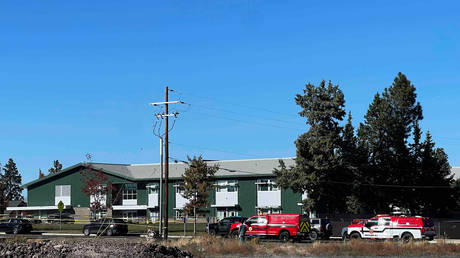
Walls used to shake every single day. Nobody stopped class.
On October 15, 2026, a school roof collapse in Pakistan ripped through morning lessons at Al-Khair Education Center in Peshawar, killing a teacher and dozens of students. Initial dispatches and wire reports placed the dead at a teacher and at least 32 students, with hospital officials and subsequent inquiry statements reporting shifting counts around the mid-30s across students and staff. Dozens more children were pulled from the rubble with broken bones, shock, and deep wounds.
When you read a headline like that, your stomach drops. A classroom is supposed to be the safest room in a neighborhood after a child's bedroom. Instead, bricks, mud, and grass gave way above young heads during early morning periods.
Let's be honest about what happened here. This wasn't a freak act of nature with zero warning signs. Police pointed to a weak building structure overloaded with extra construction above. Survivors and relatives said they had noticed risks before the collapse, and a surviving student recalled how the walls and roof shook daily. A later inquiry pointed fingers at substandard construction materials and negligence by government departments.
When low-cost private schools squeeze into residential buildings on narrow streets, corners get cut. And children pay the price.
How a Routine Morning Turned Fatal in Peshawar
Morning school runs on muscle memory. Kids line up, bags thud against desks, teachers start taking attendance, and parents rush off to work or daily wage labor.
In Peshawar's Dir Colony / Afridi Abad area, classes had barely gotten going when one roof came crashing down onto a lower level. Rescue teams from Rescue 1122 and local residents arrived to find classrooms crushed and children trapped under heavy debris. One father, Zakir Ullah, lost two young sons—eight-year-old Muhammad and ten-year-old Abubakar—after his daughter ran home with the news. Another parent, Samiullah, described rushing to the scene and finding his son had survived only because he stepped out to get water.
Those details stick with you. A glass of water. A sibling running down the street. Neighbors digging with bare hands alongside emergency crews while ambulances wailed toward Lady Reading Hospital.
Authorities detained or arrested the school owner as police opened an investigation into how an overloaded structure gave way during active classes. Grief hit fast, followed immediately by anger from families demanding accountability.
Why Roof Collapses Keep Happening in Low-Cost Schools
If you've ever walked dense urban neighborhoods across South Asia, you've probably seen buildings that look like they grew by guesswork rather than engineering drawings. One floor gets added because enrollment rises. Then another room goes up on top to save rent.
Overloading Weak Foundations and Brick Slabs
According to Peshawar police chief Mian Saeed, the structure was weak and its roof was overloaded with construction. Reporting from inside the damaged classroom described walls lacking reinforced metal framing, with brick, mud, and grass used in the lower roof assembly and another structure built above it.
In structural engineering, dead load adds up fast. Adding masonry walls, roof slabs, or extra rooms on top of a building never engineered for vertical expansion pushes columns and load-bearing walls past their limits. Once moisture weakens mortar or poor-grade materials start cracking, a sudden shear or bending failure can drop an entire slab without giving teachers a second to evacuate.
The Trap of Affordable Neighborhood Schools
Why do parents send kids to buildings with obvious cracks or shaking walls? Cost and proximity, plain and simple.
Low-income families often rely on nearby private schools or tutoring centers because public options feel overcrowded, distant, or hard to navigate. Neighborhood schools charge lower fees and sit right down the lane, making morning drop-offs manageable for working parents. That creates a brutal trade-off: families want education and a safe routine for their kids, while under-regulated operators cut corners on structural safety to keep tuition low.
This isn't an isolated scare from a single street. Just months earlier, in June 2026, a roof collapse at a tutoring center under construction in Lahore killed 14 children. Across Pakistan, structural failures in residential and commercial buildings—including a deadly multi-story collapse in Karachi's Lyari area in 2025—have repeatedly exposed weak enforcement of building rules and cheap materials.
What Government Inquiries and Inspections Miss
After a tragedy like this, the script is painfully familiar. Officials express sorrow, arrest an operator, promise inspections, and launch an inquiry.
Following the Peshawar collapse, officials announced school inspections and appealed to parents to report schools operating in structurally weak buildings. Later, an inquiry blamed the owner for using substandard construction materials while also citing negligence by government departments. Yet critics and grieving families often notice a gap between announcements and real enforcement—especially when statements don't name specific officials facing disciplinary action or give clear timelines for province-wide checks.
Let's be real: a one-week inspection blitz right after a fatal collapse rarely fixes structural decay. Real prevention requires boring, unglamorous work:
- Pre-occupancy structural sign-offs: Any residential building converted into a school or tuition center needs basic load and exit verification before classes start.
- Bans on unapproved vertical additions: Adding floors or heavy roof structures over unreinforced masonry should trigger immediate stop-work orders, not post-disaster blame.
- Transparent inspection records: Parents shouldn't have to guess whether a school passed safety checks or bribed its way past an inspector.
International groups that track child safety and education infrastructure, such as UNICEF and Human Rights Watch, have long highlighted how weak enforcement and underinvestment put children at risk in unsafe learning spaces. Meanwhile, organizations like the National Disaster Management Authority (NDMA) in Pakistan work on disaster response and resilience frameworks—though turning policy on paper into safe mortar on a side street remains an ongoing battle.
Common Misconceptions About School Building Safety
People tend to view building collapses through a few convenient myths. None of them hold up.
Misconception 1: Only ancient, crumbling buildings collapse. Age matters, sure, but bad materials and extra weight can doom a newer or modified building just as easily. Overloading a weak structure is a design and construction failure, not just a calendar issue.
Misconception 2: If a building hasn't fallen yet, it's probably fine. Buildings often telegraph distress before they fail. Daily vibrations, widening cracks near beams, sagging ceilings, or water seepage through roofs are warning signs, not harmless quirks.
Misconception 3: Parents can easily spot unsafe engineering just by glancing at the facade. You can't see weak concrete mix ratios, poor steel reinforcement, or stressed load paths from the sidewalk. Even experienced builders sometimes miss hidden defects without proper assessment.
Practical Steps Parents and Communities Can Take Right Now
You can't fix an entire city's building code by yourself before tomorrow morning's bell. Still, if you're a parent, guardian, or community member evaluating a school or tuition center, a few practical habits help you spot red flags early.
- Walk inside and look up, not just at the gate. Check ceilings, beams, and upper walls for fresh plaster patches hiding cracks, water stains, or sagging slabs. Ask if new floors or roof structures were added recently.
- Pay attention to vibrations and noise. If students or teachers mention shaking floors or creaking ceilings when footsteps or traffic pass by, take that seriously rather than brushing it off.
- Ask direct questions about overcrowding and exits. Notice how many children are packed into small rooms and whether there are clear, unobstructed ways out if something goes wrong.
- Compare options with other families. Talk to neighbors whose kids attend the same school or nearby alternatives. Shared observations often catch problems one person overlooks.
- Document and report hazards formally. Take clear photos of visible structural hazards—like exposed rebar, deep cracks, or unstable additions—and submit them through official municipal, education, or emergency reporting channels rather than relying solely on word of mouth.
When a school roof collapse in Pakistan claims young lives during a normal morning class, grief demands more than sympathy. Every child walking through a school door deserves walls that hold firm, roofs built to last, and authorities willing to enforce safety before disaster strikes.