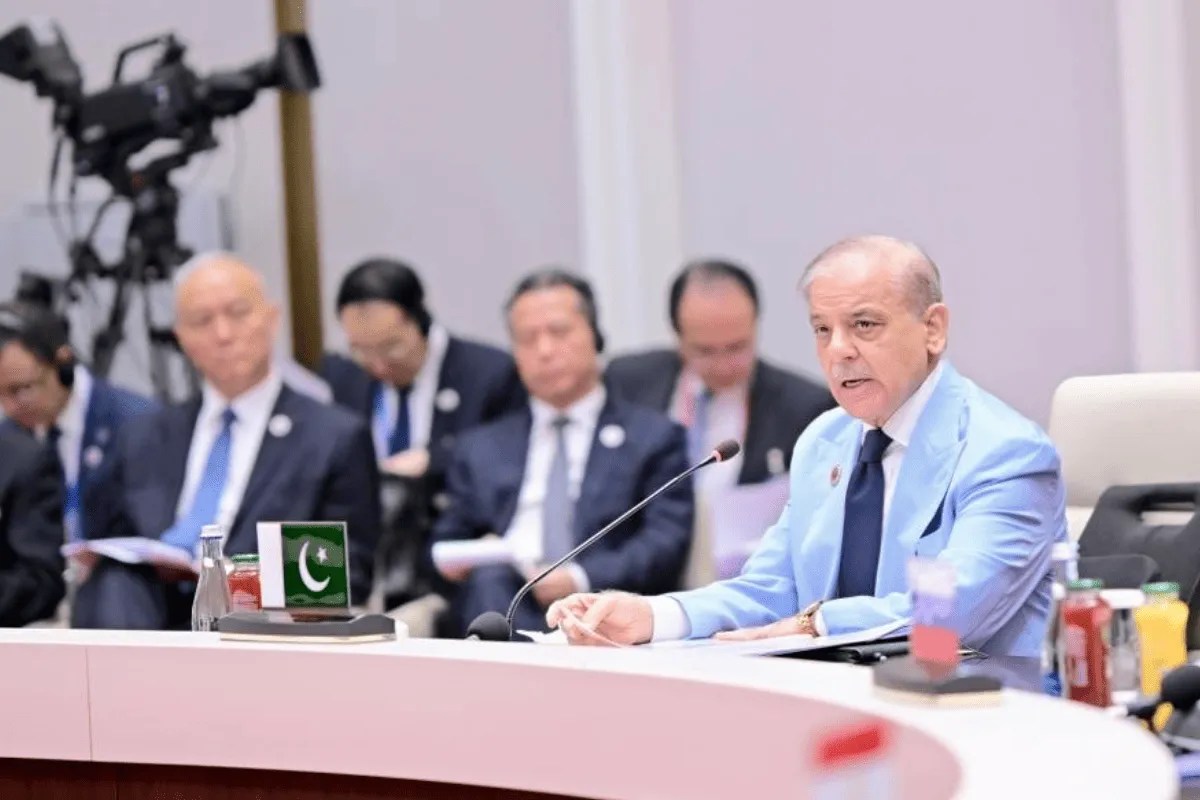
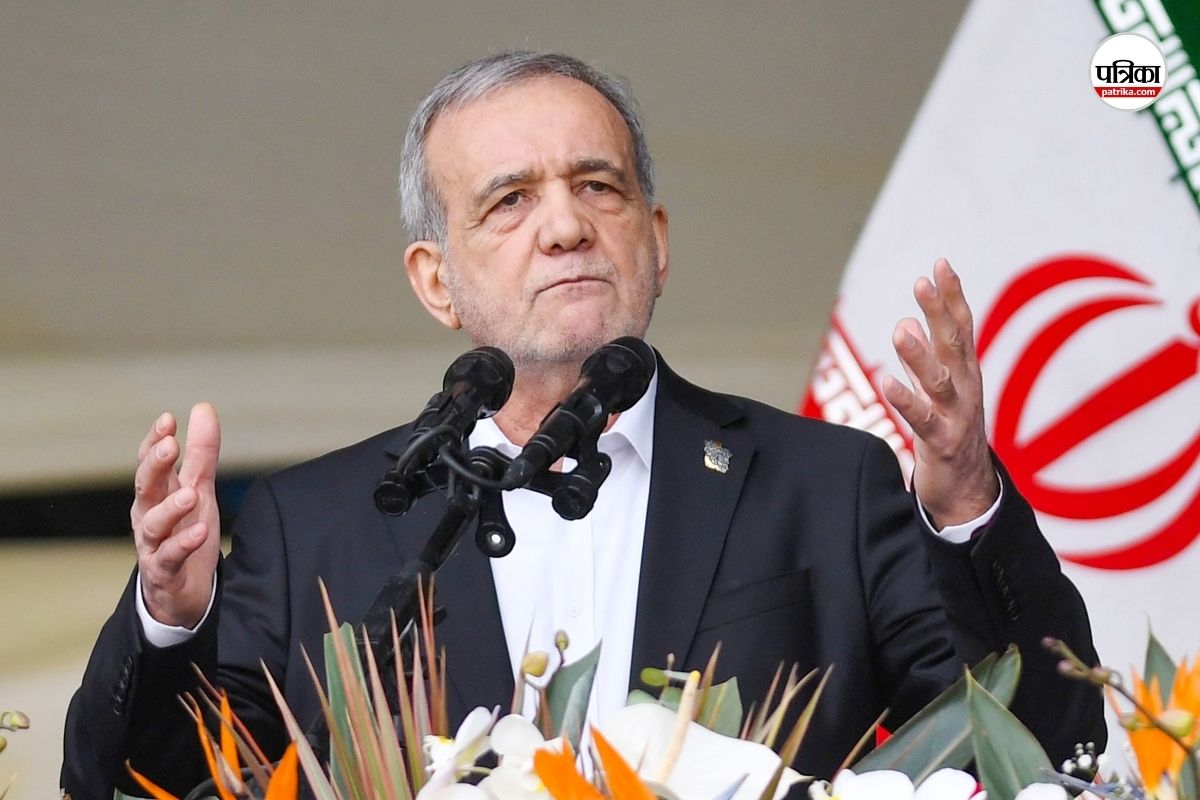
Geopolitics often creates strange alignments, but few statements in recent diplomatic history match the sheer weight of what Pakistan's leadership recently brought to the podium at the United Nations. When the Prime Minister of Pakistan stood before the international community to explicitly condemn Houthi rebel attacks and draw an uncrossable red line regarding the safety of Mecca, the speech reverberated far beyond the assembly hall. This was not merely standard diplomatic rhetoric. It was a calculated security signal rooted in domestic pressure, historical military commitments, and deep-seated religious sensitivities that define state survival in South Asia and the Middle East.
To understand why this declaration matters, one has to examine the delicate balancing act Islamabad has maintained for decades. Pakistan possesses a professional, heavily armed military with extensive experience in regional defense. For generations, its security establishment has navigated the treacherous waters of Middle Eastern politics without formally entangling itself in foreign quagmires that could trigger internal sectarian friction back home. Pakistan is a majority Sunni nation with a substantial and vocal Shia minority. Walking the diplomatic tightrope between Riyadh and Tehran requires surgical precision. When the Pakistani premier declared that no one would be permitted to dare threaten the holiest sites in Islam, the statement was aimed squarely at deterring the Iran-backed Houthi movement while reassuring a nervous Gulf coalition.
The immediate trigger for this hardline stance lies in the escalating frequency and reach of regional missile and drone technology. Yemen's Houthi movement has demonstrated a capacity to project force far beyond its borders, targeting critical infrastructure in Saudi Arabia and the United Arab Emirates. While previous strikes primarily focused on oil facilities and urban centers, any perceived trajectory toward the holy sanctuaries of Mecca and Medina activates an absolute existential panic across the entire Muslim world. For Pakistani leadership, ignoring such a threat is politically impossible. The protection of the Harmain Sharifain—the two holy mosques—is woven into the foundational ethos of the Pakistani military and public consciousness.
Diplomatic analysts tracking the speech note the underlying subtext regarding Iran. While Islamabad maintains functional, pragmatic ties with Tehran, the explicit condemnation of Houthi actions serves as a public boundary marker. It tells the regional network that certain actions cross from acceptable geopolitical posturing into intolerable provocation. Pakistan cannot afford to alienate its Gulf financial benefactors, nor can it afford to be seen as indifferent to threats directed at the spiritual epicenter of Islam. The UN platform provided the loudest possible megaphone to broadcast this message to both allies and adversaries.
Beneath the diplomatic theater lies a pragmatic reality of economic dependence and strategic defense pacts. Pakistan's economy has faced severe turbulence, requiring repeated stabilization packages from Gulf monarchies. Security guarantees and economic lifelines are frequently intertwined in this corridor. By taking a definitive stand against Houthi aggression at the United Nations, Islamabad reinforced its traditional security partnership with Saudi Arabia. The message was unmistakable. The historical defense relationship remains active, and any direct or indirect threat to Saudi sovereignty, particularly its sacred sites, invokes a categorical response from the most potent military force in the Islamic world.
Yet, this posture carries inherent domestic risks. By openly condemning an Iranian-aligned proxy group at a global forum, Pakistan invites scrutiny and potential blowback from domestic hardliners sympathetic to the Axis of Resistance. Managing sectarian balance within Pakistan requires constant vigilance from intelligence and internal security agencies. Every public alignment on Middle Eastern disputes has a domestic echo. The prime minister's office calculated that the risk of domestic blowback was far lower than the cost of alienating the Gulf states or appearing weak on the defense of Mecca.
The international community took note of the rhetoric, but the true test of this red line will be determined by future events on the ground in Yemen and the Red Sea. Ballistic trajectories and drone paths do not respect diplomatic pronouncements. If the conflict escalates further and Houthi capabilities continue to grow with external patronage, verbal warnings from New York will face the ultimate test of military enforcement. Pakistan has drawn its boundary in the sand of the General Assembly. Whether that line holds depends entirely on whether regional actors heed the warning before a miscalculation turns a rhetorical red line into a battlefield reality.