The bamboo poles do not rot all at once. They soften from the inside, eaten silently by the monsoon damp until a single gust of wind off the Bay of Bengal snaps them like dry breadsticks.
Ask Amina. If you were to walk through the narrow, mud-slicked alleys of Kutupalong in Cox’s Bazar, Bangladesh, you would meet dozens of women like her. Let us call her Amina—a composite of the mothers who have spent the last nine years patching tarpaulin roofs with salvaged plastic rice sacks. She wakes before dawn to the sound of coughing in the next shelter over. She boils water over a small stove, watching the steam curl toward a ceiling that is not really a ceiling at all, just a stretched sheet of blue polyethylene stamped with the faded logo of an international aid agency.
Nine years. Think about what happens to a human life in nine years. A child born in the mud of Cox’s Bazar during the panicked exodus of August 2017 is now old enough to read, yet she has never seen the river in Rakhine State where her grandmother washed clothes. She has never held a passport. To the bureaucracy of the modern world, she does not officially exist.
Thousands of miles away, in the climate-controlled wood-paneled chambers of the Peace Palace in The Hague, men and women in black robes and white bibs spend their days debating the precise grammatical weight of the 1948 Genocide Convention. When the International Court of Justice issues a ruling on Myanmar, the headlines flash across our screens for a brief, sterile moment. ICJ rules on Myanmar. Rohingya crisis remains unresolved. We skim the paragraphs, nod at the solemnity of international law, and scroll on to the weather forecast or the weekend sports scores.
We treat it like a legal thriller with a slow plot. For Amina, it is the slow erasure of an entire people.
The Architecture of Erasure
To understand why a courtroom verdict in the Netherlands feels so ghostly in the hills of southern Bangladesh, you have to understand how a human being is dismantled long before a single shot is fired.
Genocide rarely begins with machetes and burning villages. It begins with paperwork.
In 1982, the military government in Myanmar passed a citizenship law that effectively turned the Rohingya into ghosts in their own homeland. Overnight, an ethnic group with centuries of roots in the coastal region of Arakan—now Rakhine State—was scrubbed from the official list of 135 recognized national races. Imagine waking up tomorrow to find that the government has declared your family name a clerical error. You can no longer vote. You cannot travel to the next town without paying a bribe for a temporary permit. You cannot marry without permission from a local commander. You cannot attend university.
By the time the Myanmar military—known as the Tatmadaw—launched its brutal "clearance operations" in August 2017, the legal groundwork was already complete. The world watched in horror as satellite images revealed hundreds of Rohingya villages reduced to gray ash. According to United Nations investigators and humanitarian agencies, more than 700,000 people fled across the Naf River into Bangladesh in a matter of weeks, joining hundreds of thousands who had escaped earlier waves of violence. Thousands were killed. Countless women were subjected to systematic sexual violence.
I remember the smell of that border in the autumn of 2017—a suffocating mixture of wet woodsmoke, open sewage, and unwashed fear. You could stand on a ridge overlooking the river and watch a continuous, silent ribbon of human beings wading through chest-deep water, carrying elderly parents on their backs and infants in plastic tubs. They arrived with nothing except the clothes clinging to their skin and the keys to front doors that no longer existed.
The Gavel and the Gun
When The Gambia, a small West African nation that had survived its own dictatorship, stepped forward in 2019 to file a case against Myanmar at the International Court of Justice, it felt like a miracle of moral courage. Here was a country thousands of miles away using the Genocide Convention to demand accountability on behalf of a voiceless minority.
In January 2020, the court issued unanimous "provisional measures," ordering Myanmar to take all steps within its power to prevent genocidal acts against the remaining Rohingya and to preserve evidence of past atrocities. Later, the judges rejected Myanmar’s preliminary objections, ruling that the case could proceed to the merits—a process that grinds forward at a glacial pace, measured not in weeks or months, but in half-decades.
Consider what happens next.
You have a binding legal ruling from the highest court in the United Nations system. You have pages of meticulously cited jurisprudence. You have diplomats issuing statements of profound concern from podiums in New York and Geneva.
And what happens on the ground?
Nothing.
To understand the limits of the ICJ, picture a neighborhood dispute where a judge issues a restraining order against an armed bully, and then hands the piece of paper to the victim with a polite wish of good luck. The International Court of Justice has no police force. It has no army. It cannot send marshals into Naypyidaw to arrest generals or unlock prison gates. Enforcement relies entirely on the United Nations Security Council—a body paralyzed by geopolitical rivalries, where permanent members routinely wield their veto power to shield allies and protect strategic investments in ports, pipelines, and rare earth minerals.
While lawyers argued over jurisdiction in The Hague, Myanmar descended into a catastrophic civil war following the February 2021 military coup. The very generals who orchestrated the 2017 campaign against the Rohingya turned their weapons on the broader Burmese population. Now, caught in the crossfire between the crumbling military junta and powerful ethnic armed organizations like the Arakan Army, the estimated 600,000 Rohingya still trapped inside Rakhine State face a terrifying new nightmare. Both sides have forcibly conscripted Rohingya men to serve as human shields and frontline cannon fodder. Villages are burning again. Boatloads of desperate families are once more risking the treacherous waters of the Andaman Sea, turned away by neighboring countries that treat them like floating contagion.
The Slow Death of Hope
Let us return to the camps in Bangladesh, because the real cost of an "unresolved" crisis is not paid in diplomatic embarrassment. It is paid in the quiet corrosion of the human spirit.
Bangladesh, a densely populated nation grappling with its own climate vulnerabilities and economic pressures, opened its borders in 2017 with extraordinary generosity. Nearly a million Rohingya refugees now live packed into a sprawling network of thirty-three camps in Cox’s Bazar—the largest refugee settlement on Earth.
Yet generosity has an expiration date when the world stops paying attention.
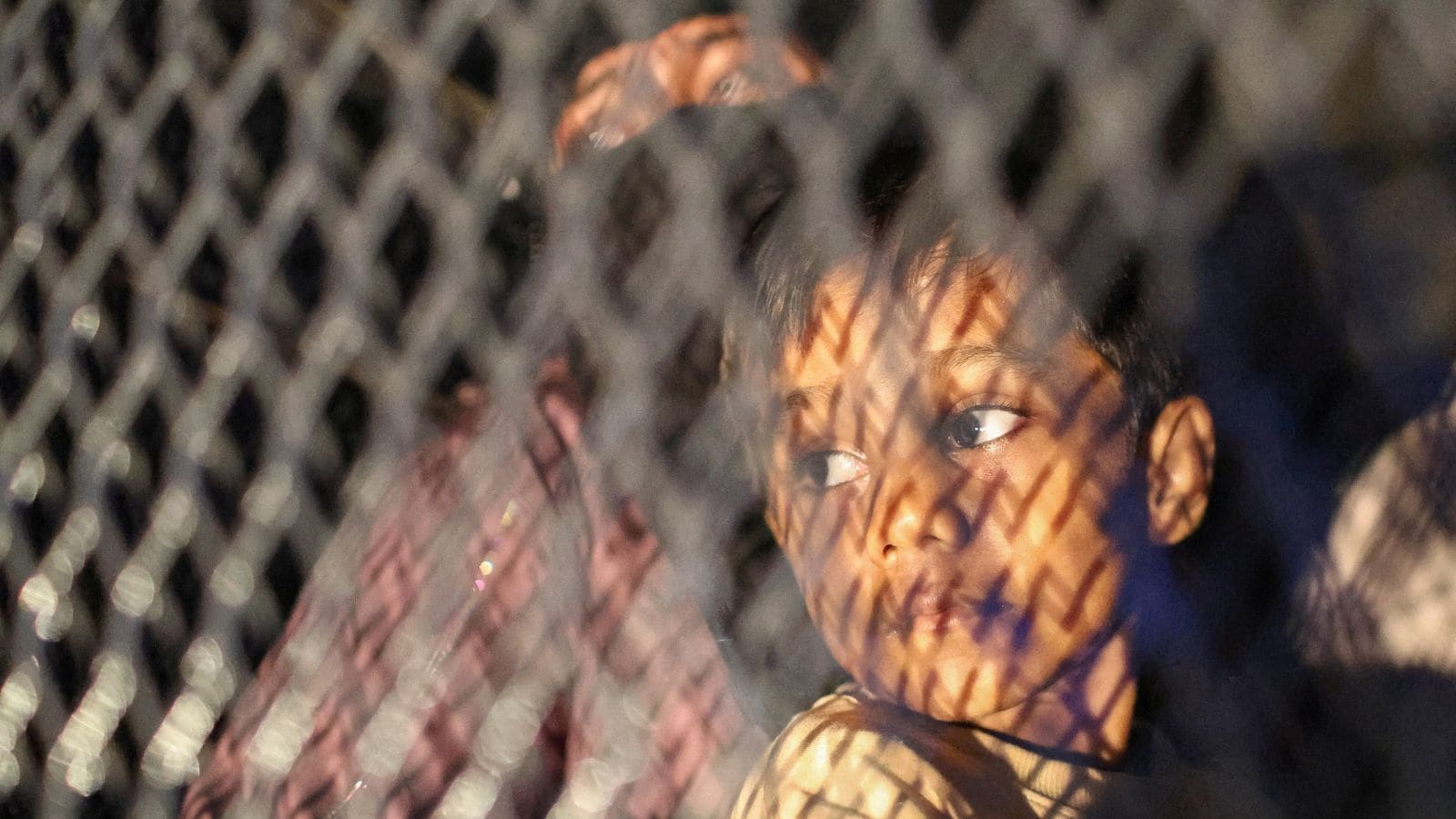
Walk through the camps today and you will notice the fences. Barbed wire and watchtowers ring the perimeter, ostensibly for security, effectively turning a sanctuary into an open-air prison. Refugees are legally barred from formal employment. They cannot leave the camps to seek work, cannot own property, cannot integrate into Bangladeshi society. They are suspended in amber, entirely dependent on international food rations that have been repeatedly slashed as donor fatigue sets in and global attention shifts to wars in Ukraine and the Middle East.
When the World Food Programme is forced to cut monthly food vouchers down to mere pennies per meal, malnutrition spikes among toddlers. When funding dries up for camp clinics, preventable diseases return.
And when a generation of young men grows up behind barbed wire with no schools, no jobs, and no future, despair curdles into something dark. Criminal gangs and armed militant groups now roam the camps after sunset, extorting shopkeepers, kidnapping teenagers, and murdering community leaders who dare to advocate for peace and education. Parents lock their daughters inside flimsy bamboo huts at dusk, terrified of traffickers who promise marriage or factory work in Malaysia and deliver them into servitude instead.
This is the invisible stake that cold news summaries miss. A protracted refugee crisis is never static. If you leave a wound open for nine years, it does not simply stay the same size; it festers.
The Illusion of Repatriation
Every few months, officials from Myanmar and Bangladesh announce a new pilot project for repatriation. The word itself sounds clean, orderly, almost comforting—like returning a borrowed book to the shelf.
Ask Amina what repatriation means to her, and she will ask you a simple question: Return to what?
To go back to Myanmar without guaranteed citizenship is to walk voluntarily back into the cage. To return without freedom of movement, without the right to reclaim confiscated farmland, and without international protection on the ground is to offer oneself up for the next cycle of violence. Twice, bilateral repatriation agreements have collapsed because not a single refugee was willing to board the buses under those conditions. Who would? You do not walk back into a burning house just because the firefighters are tired of watching you stand on the lawn.
It is easy to feel cynical when looking at the Rohingya crisis. Even for those of us who have followed this tragedy from the beginning, the sheer weight of the failure is suffocating. You start to wonder if international law is merely an elaborate theater staged by wealthy nations to convince themselves that civilization has rules.
Yet cynicism is a luxury the Rohingya cannot afford, and it is an excuse the rest of us do not deserve.
The ICJ ruling, for all its lack of immediate teeth, is not meaningless. History is written on the backs of official records. When the court denies Myanmar’s attempts to rewrite reality, it builds an unassailable wall of truth that future generations cannot tear down. Alongside parallel investigations by the International Criminal Court and universal jurisdiction cases brought in countries like Argentina, these legal battles strip away the impunity that dictators rely upon. They turn architects of mass atrocity into international pariahs who cannot travel, cannot bank, and cannot escape the permanent stain of their crimes.
What Justice Actually Demands
Still, a legal record will not feed a child tonight, and it will not keep the rain out when the next cyclone barrels up the coast. If the world wants the Rohingya crisis to be anything other than a permanent monument to human indifference, three things have to change—not in some distant diplomatic future, but right now.
First, donor nations must stop treating humanitarian aid as an optional charity that fluctuates with the news cycle. Fully funding food rations, healthcare, and accredited education inside Cox’s Bazar is not just a moral obligation; it is the only thing preventing a million people from sliding into complete collapse. An educated child in a refugee camp is a future builder; an abandoned child is a target for exploitation.
Second, Bangladesh and its international partners must rethink the containment model. Allowing refugees to work legally, farm, and build self-sustaining livelihoods within host communities does not encourage them to stay forever—it preserves their dignity and reduces the crushing financial burden on host taxpayers. People who have skills and savings are far better equipped to rebuild their homeland when the day finally comes.
Third, global powers must apply coordinated, relentless economic pressure on Myanmar’s military junta and any armed faction that targets civilians, while simultaneously guaranteeing that the Rohingya have an actual seat at the table in shaping Myanmar’s political future. You cannot negotiate peace in Rakhine State while ignoring the very people who were driven from its soil.
Back in Kutupalong, the afternoon rain begins to fall, drumming a steady, deafening rhythm against the blue tarpaulin above Amina’s head. Water seeps under the threshold, turning the dirt floor into dark paste. She reaches into a tin box and pulls out a small plastic bag, wrapped tightly in three layers of cloth to keep out the moisture.
Inside is a faded family photograph, a tax receipt from a village that was bulldozed in 2017, and a laminated identity card issued by a United Nations agency—a document that proves she exists in a camp, while offering no promise that she belongs anywhere on Earth.
She holds the plastic pouch against her chest, listening to the rain, waiting for a world that has mastered the language of justice to finally learn how to speak it out loud.


